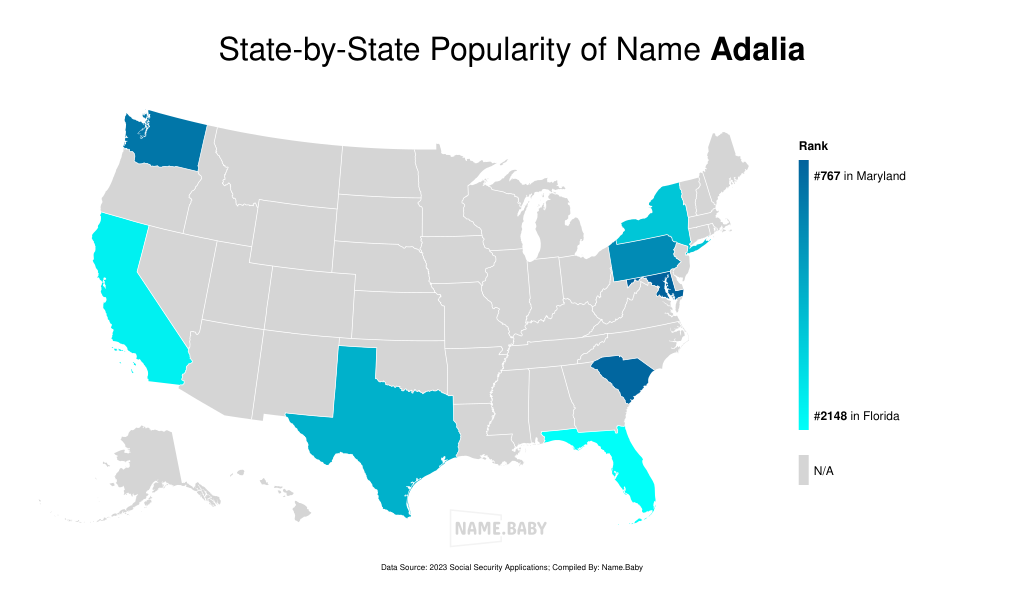
Adalia
Meaning of Adalia
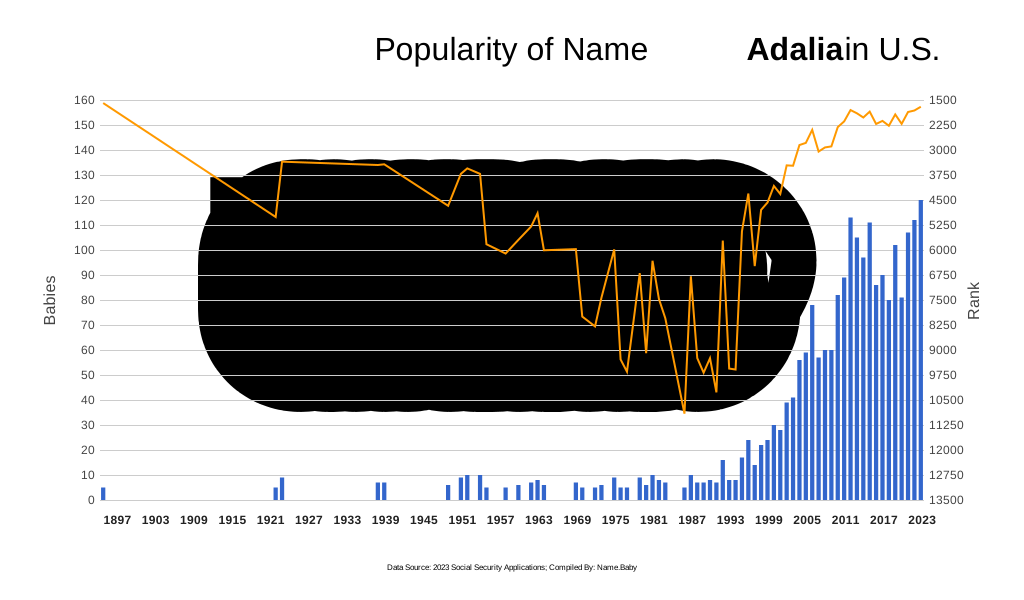
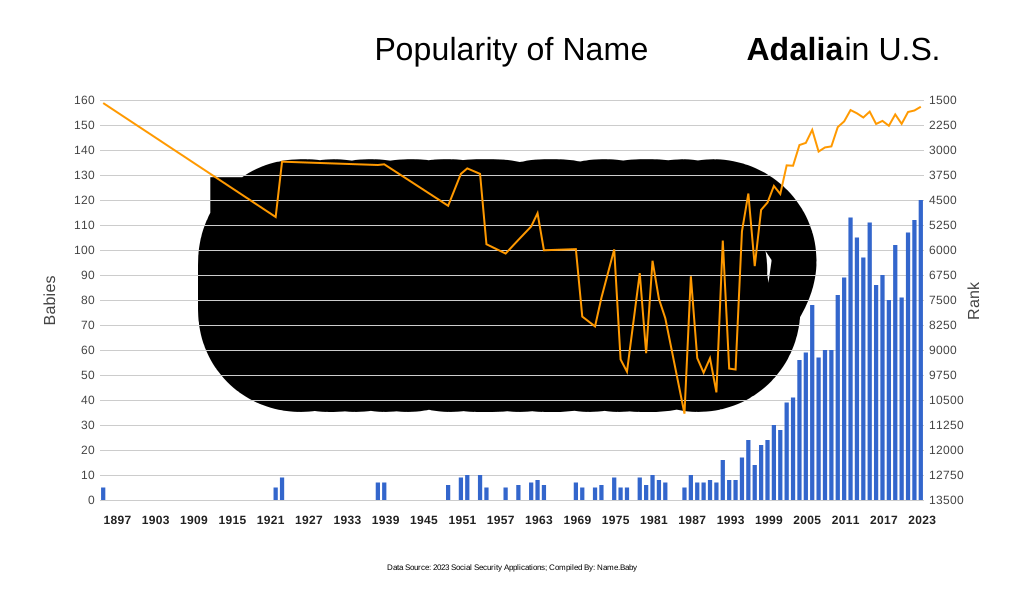
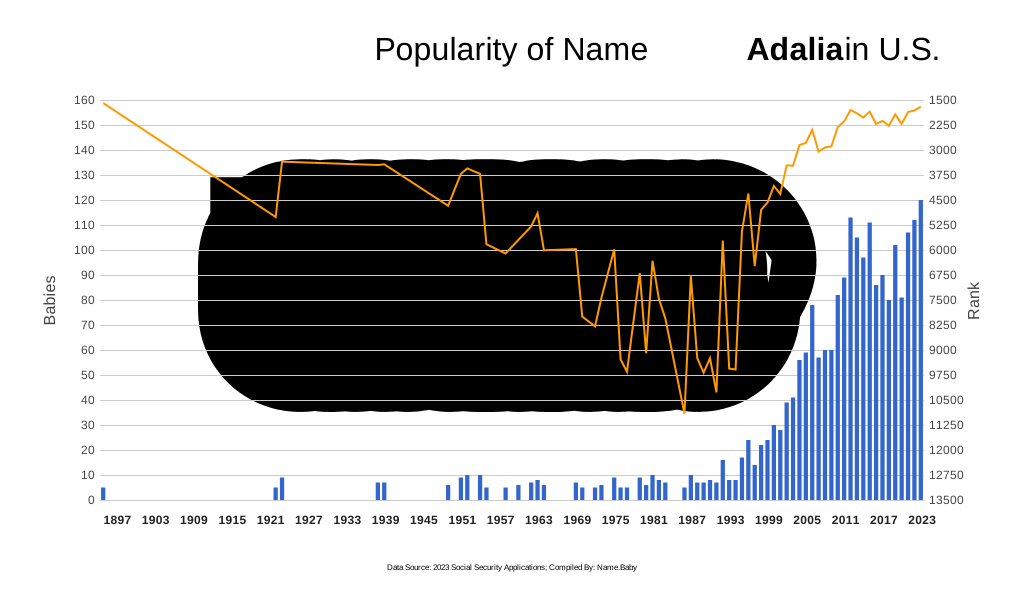
Adalia—pronounced ah-dah-LEE-yah in its original Hebrew vestment and uh-DAYL-yuh when dressed for English conversation—springs from the fertile soil of Scripture, where the name (אֲדַלְיָא) flickers briefly in the Book of Esther before migrating, via medieval Latin glossaries, into the Germanic noble line of Adela and Adelaide; in either etymological corridor it carries the burnished meaning of “noble” or, more poetically, “God is my refuge.” Like a luminous mosaic tile passed from one empire’s basilica to the next, Adalia has acquired additional hues: to Spanish-speaking ears it whispers of atalaya, the watchtower, while botanists may think of the tiny ladybird beetles (Adalia bipunctata) that stand sentinel over rose gardens—an unintentional yet charming entomological coincidence. Statistically, she has maintained a sub rosa presence in the United States, hovering in the 700–900 range since the fading embers of World War II and rising to 819 newborns in 2024—a trajectory that resembles a steady heartbeat more than a meteoric ascent, and thus appeals to parents seeking rarity without obscurity. One might say, with suitably dry detachment, that Adalia has perfected the art of being “rare enough to elicit inquiry, common enough to spare a lifetime of corrections,” a balance many names, like Icarus, only dream of keeping.
Pronunciation
Hebrew
- Pronunced as ah-dah-LEE-yah (/a.da.li.ˈja/)
American English
- Pronunced as uh-DAYL-yuh (/əˈdeɪliə/)
U.S. Popularity Chart
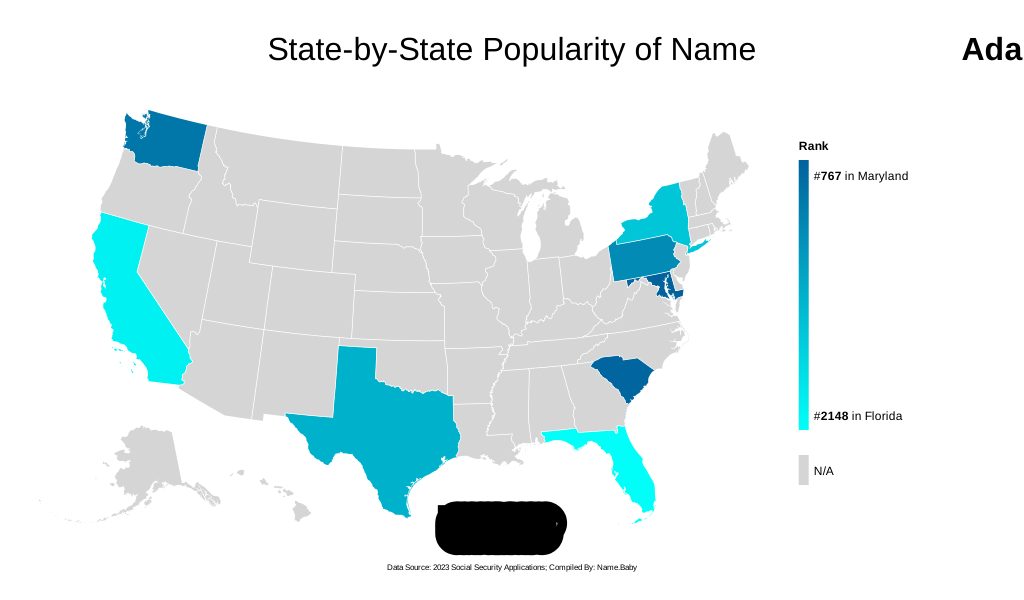
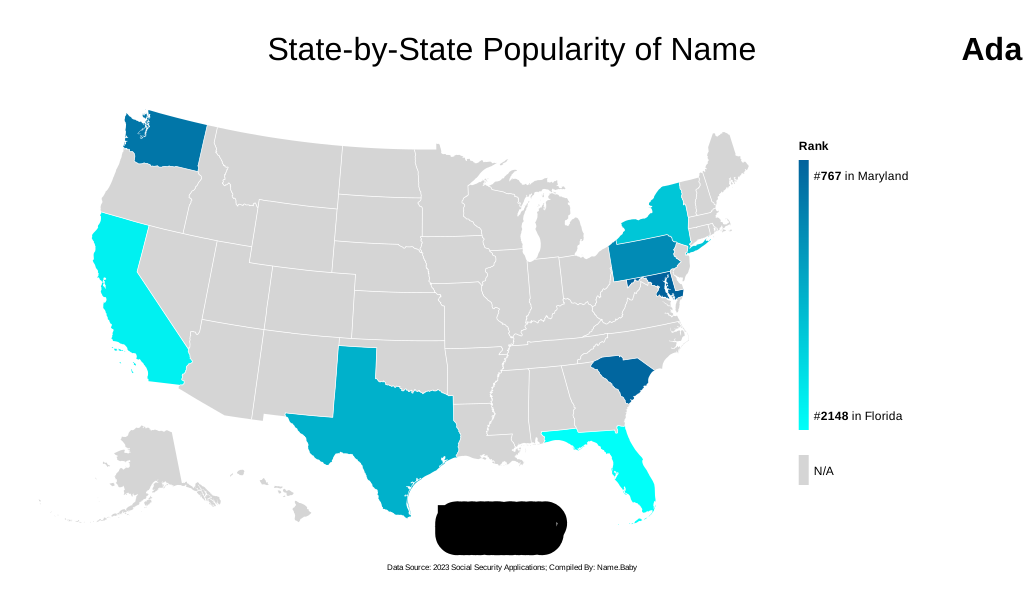
States Popularity Chart