Agustus
Meaning of Agustus
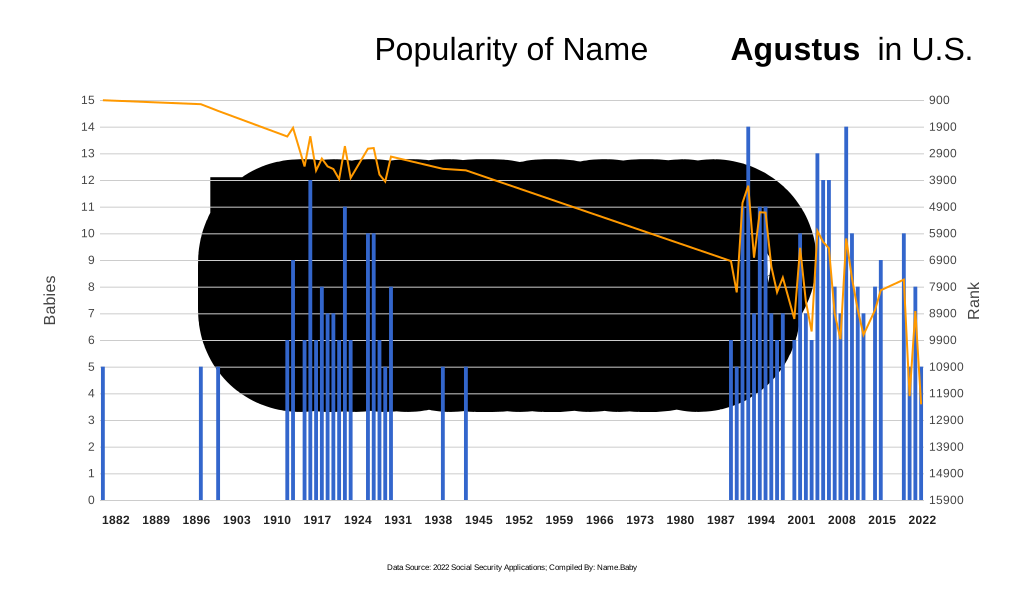
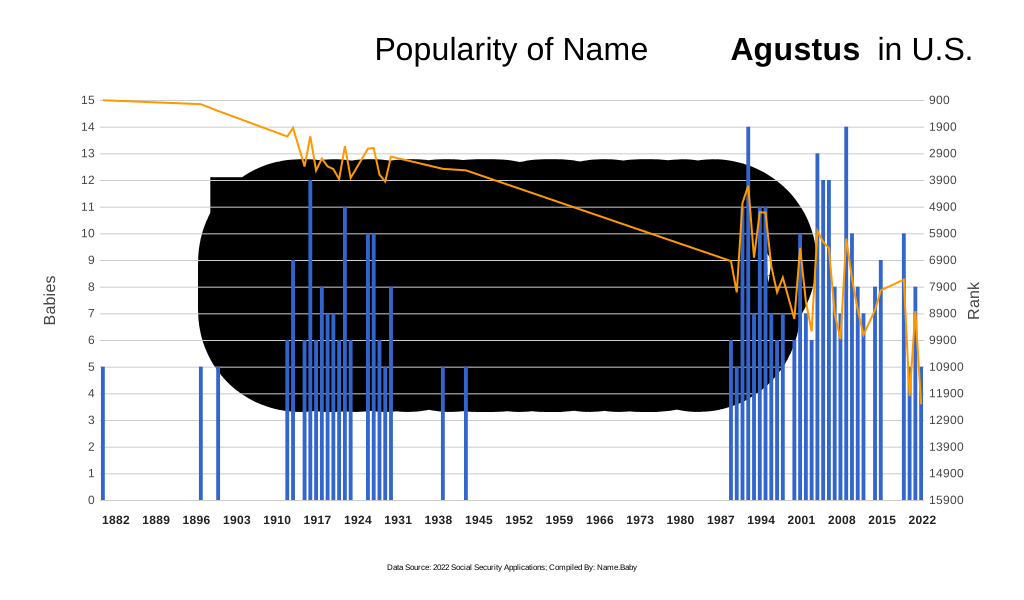
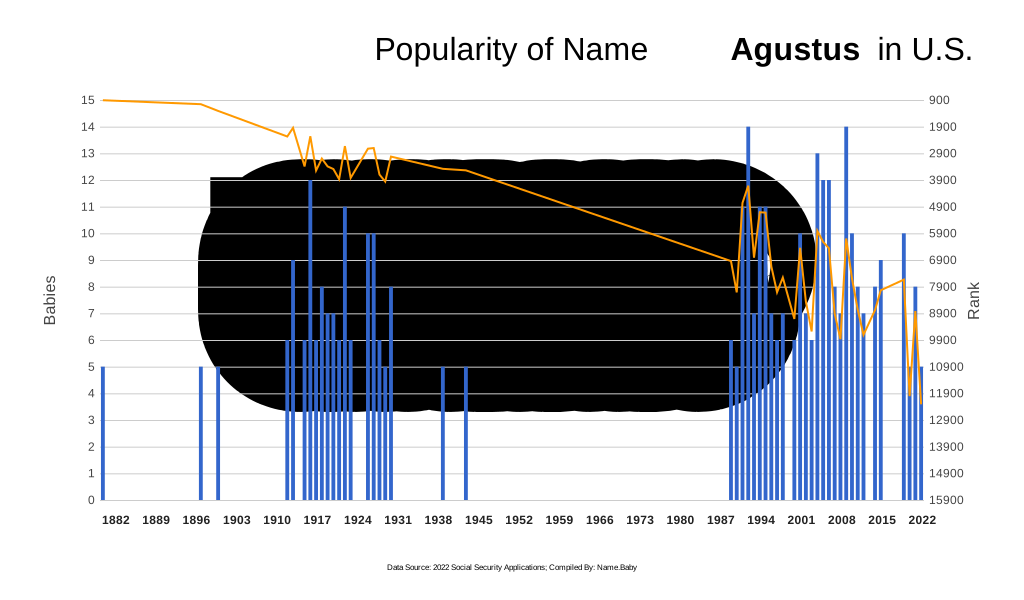
Agustus, pronounced uh-GUHS-tuhs (/əˈɡʌs.təs/), carries the timeless echo of ancient Rome into the cradle of modern Italy, where every cobblestone whispers stories of emperors and poets. Born from the Latin cognomen Augustus—“the venerable one”—this name drapes a child in the golden mantle of historic dignity, like a laurel wreath laid at dawn upon a marble pedestal. In its very syllables one can almost hear the distant fanfare of imperial processions winding through sunlit piazzas, as if each “gus” were a trumpet call summoning grace and gravitas. Though it remains a rare gem in contemporary American registries—its gentle rise and fall in the charts akin to a softly undulating sea—Agustus brims with vintage charm and quiet strength. Parents who choose it often imagine a little boy with a hearty laugh and a thoughtful brow, destined to blend that storied past with tomorrow’s promise. Warm yet poised, the name invites a sense of playful dignity—an antique key unlocking modern adventure—without ever feeling stuffy. In every whispered “Agustus,” one hears a bridge between epochs, an invitation to honor tradition while writing a fresh chapter in one’s own family legend.
Pronunciation
English
- Pronunced as uh-GUHS-tuhs (/əˈɡʌs.təs/)
U.S. Popularity Chart