Ahana
Meaning of Ahana
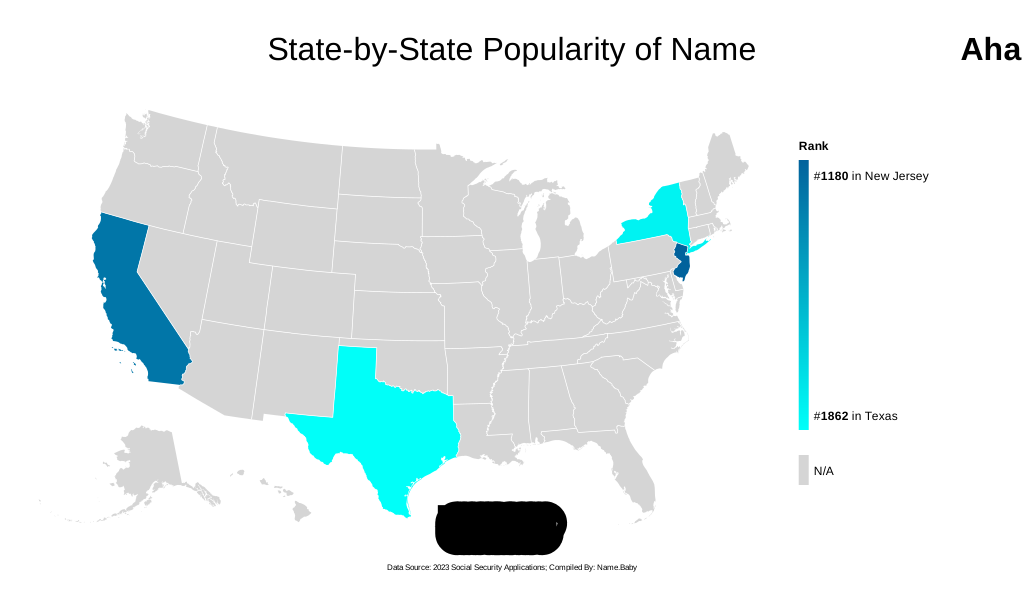
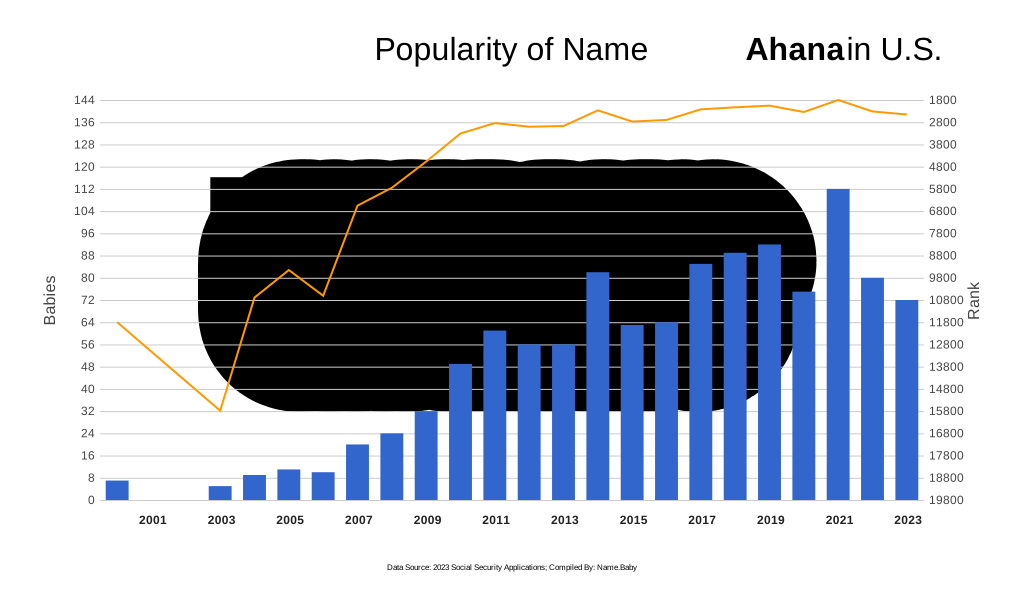
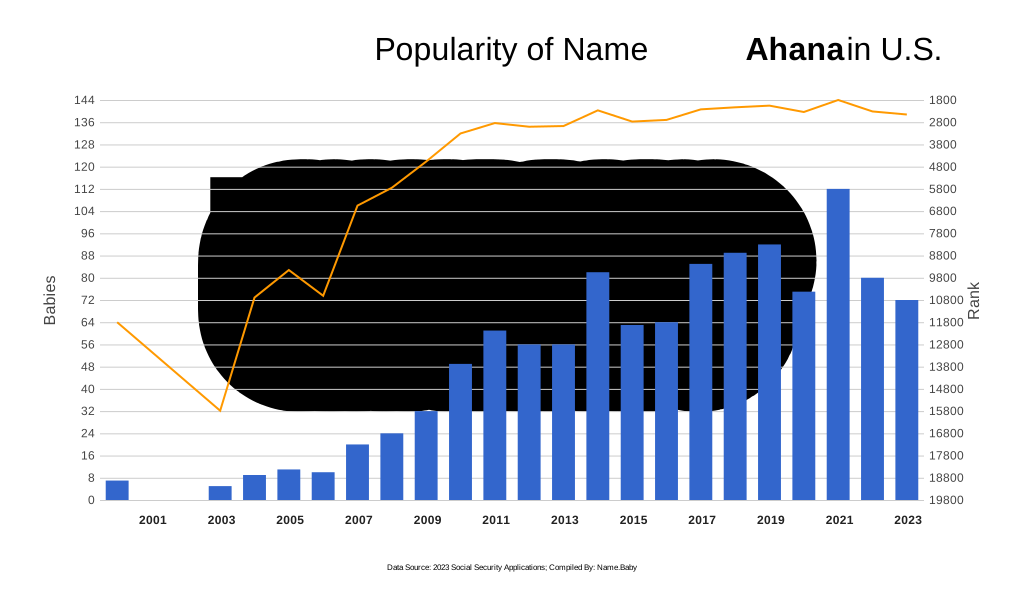
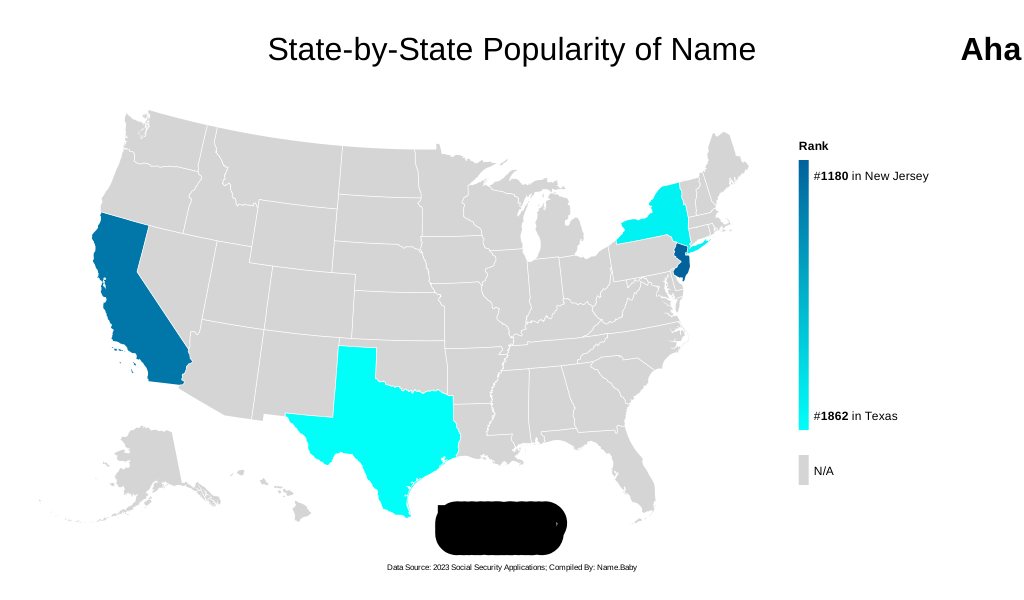
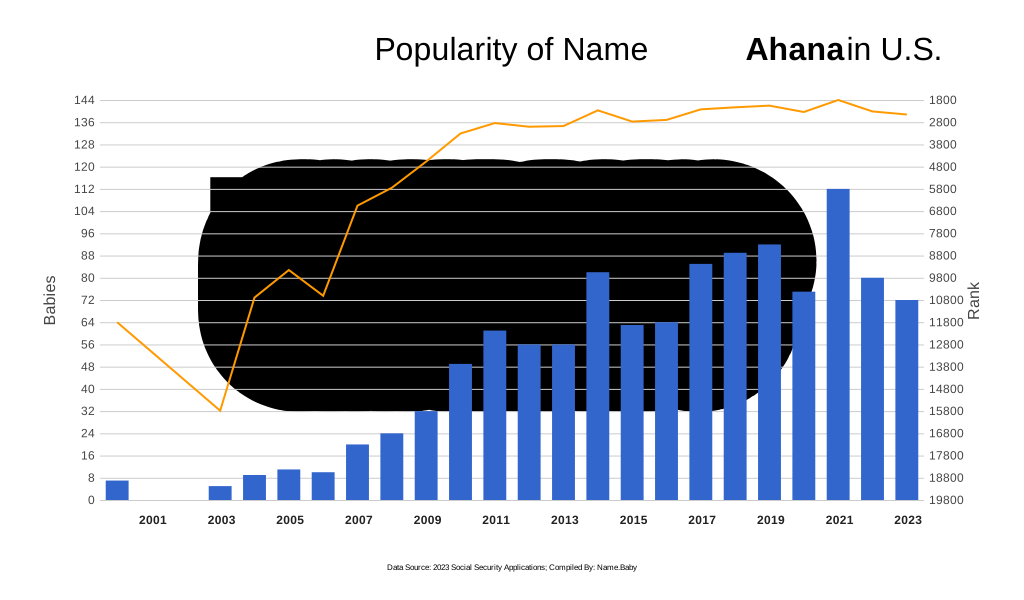
Ahana, rendered in Hindi as ah-HAA-nah and approximated in English as uh-HAH-nuh, originates from the Sanskrit lexeme “ahana” (अहन्), a term denoting “first light” or “dawn” and historically linked to Vedic invocations of the solar deity Surya; accordingly, the name conveys a technical semantic field of illumination, renewal, and temporal beginnings rather than a purely ornamental sound pattern. Contemporary onomastic data confirm that Ahana, while remaining a distinctly Indic choice, has entered the wider Anglo-American repertoire: United States vital-statistics records trace an unbroken, if measured, presence since 2000, with annual occurrences rising from single digits at the century’s turn to 124 registrations in 2024, reflecting a gradual ascent from rank 965 to 826 across that period. Linguistically, its trisyllabic structure, open vowels, and stress on the medial syllable align with prevailing phonotactic preferences in modern English female naming, explaining part of its cross-cultural portability. Culturally, Ahana frequently appears alongside cognate forms such as Aahana or Ahanaya, yet it retains a distinct identity by virtue of its concise morphology and solar etymology, factors that appeal to parents seeking a globally intelligible name anchored in classical South Asian tradition.
Pronunciation
Hindi
- Pronunced as ah-HAA-nah (/ˈɑ.ha.na/)
British English
- Pronunced as uh-HAH-nuh (/əˈhɑːnə/)
American English
- Pronunced as uh-HAH-nuh (/əˈhɑnə/)
U.S. Popularity Chart
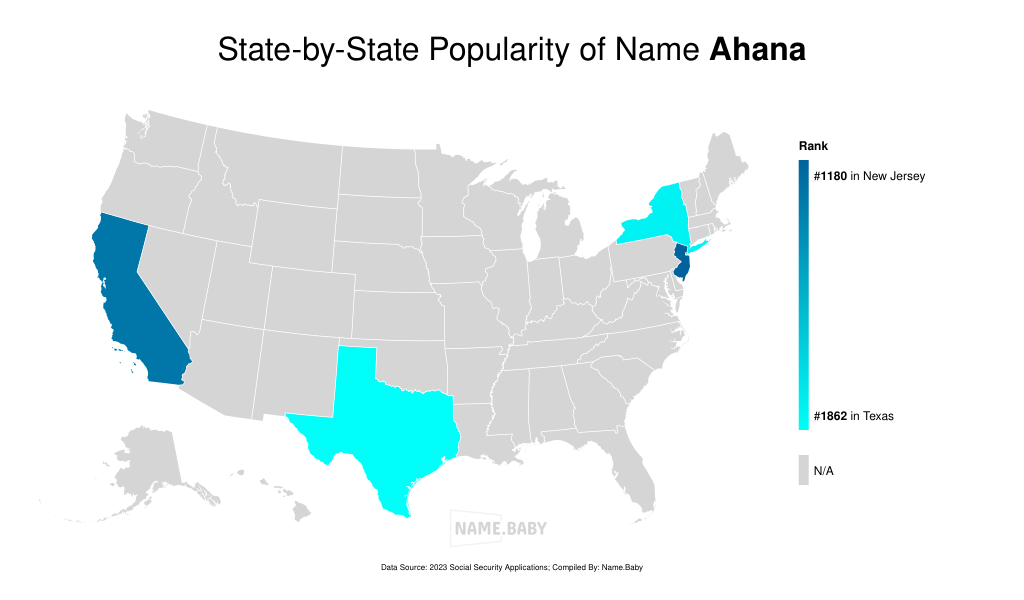
States Popularity Chart