Akirah
Meaning of Akirah
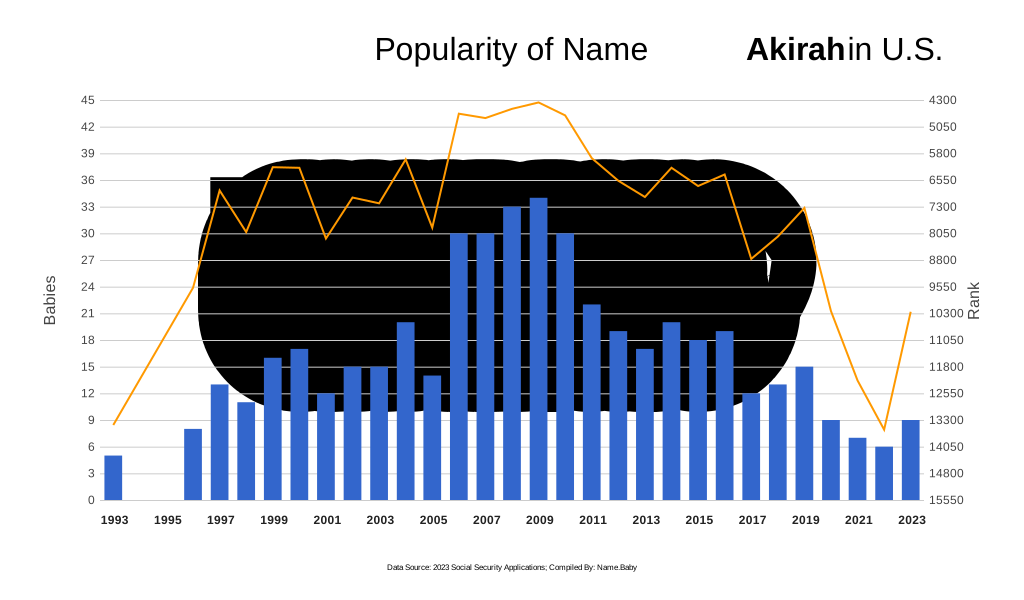
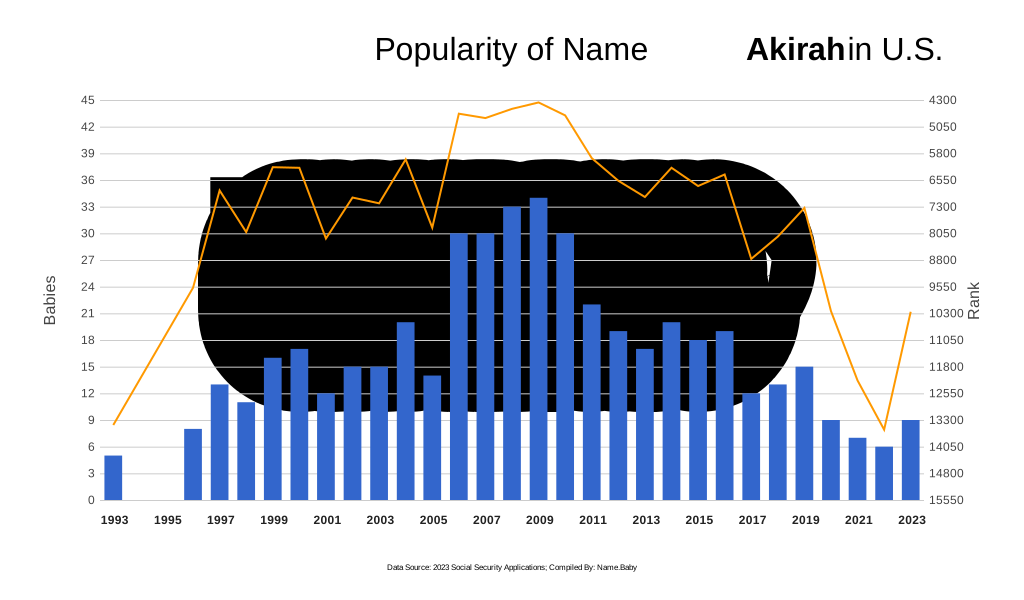
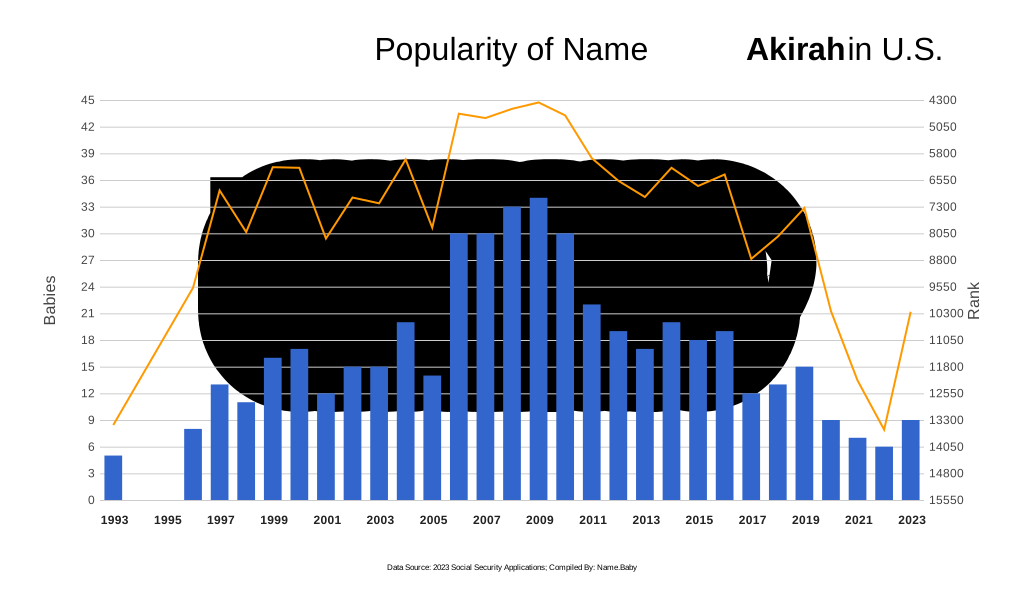
Akirah, pronounced uh-KEER-uh (/əˈkɪrə/), glides into the lexicon of names like a silver lantern illuminating a moonlit path through bamboo groves. Rooted in the Japanese word for “bright” or “clear,” it bears the gentle –h that lends a feminine flourish, reminiscent of dew-kissed petals unfolding at dawn. Though its presence among American newborns remains a quiet whisper—just fifteen in 2024 and a similar trickle in years past—it has not yet inundated the Social Security charts, which, frankly, seems the ideal stage for a luminescence that prefers simmering to shouting. In its syllables one can sense the hush of rice fields at twilight, the weightless dance of paper lanterns above temple courtyards, and the inner clarity that unfurls like a lotus blooming in hidden ponds. With a cool poise that defies capricious trends and a lush warmth that nestles comfortably in contemporary registers, Akirah stands as both a timeless homage to tradition and a subtle declaration of individual light. It invites those who bestow it to embrace a quiet manifesto: that true brightness need not roar, but may endure in steadfast grace.
Pronunciation
American English
- Pronunced as uh-KEER-uh (/əˈkɪrə/)
U.S. Popularity Chart