Alie
Meaning of Alie
Alie, with its soft vowel embrace, emerges as a harmonious variant of the ancient Germanic Alice, dancing lightly upon the tongue like a cherry blossom petal caught in a spring breeze. Steeped in the Old High German adal, “noble,” and echoing the Hebrew aliyah, “to ascend,” the name wraps its bearer in a cloak of quiet dignity and radiant uplift, reminiscent of dawn’s first light spilling over temple rooftops. It conjures the hush of a moss-draped Shinto shrine at daybreak, where dewdrops cling to folded petals and the heart, suspended in a moment of mono no aware, discovers beauty in every passing breath. In Alie’s presence one senses the graceful tension of wabi-sabi—the elegance born from gentle impermanence—each syllable a brushstroke on silk beneath the glow of lanterns. Across continents and centuries, it weaves together threads of noble lineage, sacred pilgrimage, and serene reflection, offering a tapestry rich with cultural nuance and whispered promise. Within its three letters flows a river of heritage and hope, guiding her toward uncharted dawns with poise both timeless and incandescent.
Pronunciation
American English
- Pronunced as AL-ee (/ˈæ.li/)
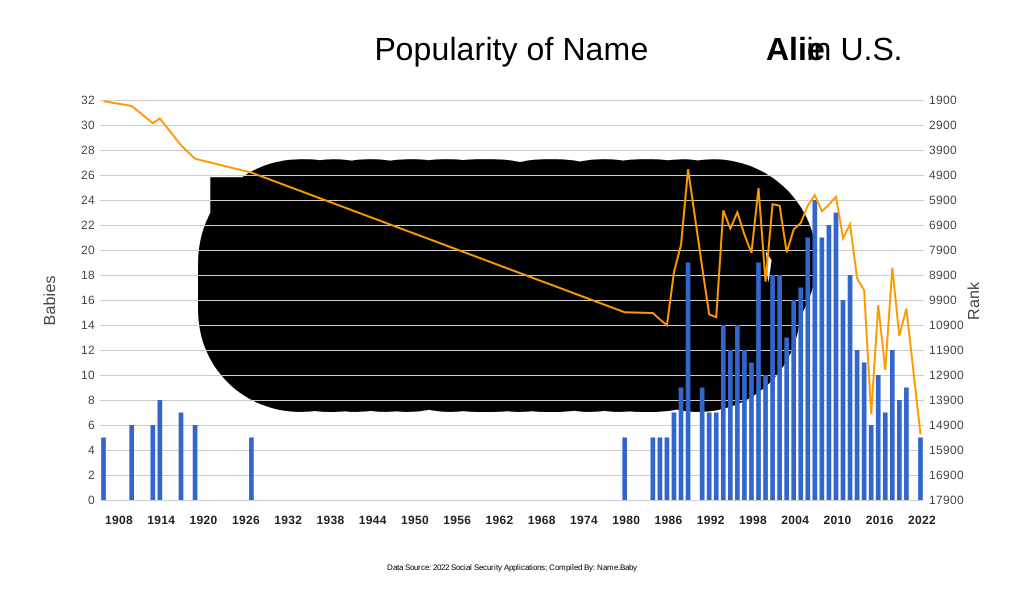
U.S. Popularity Chart
Notable People Named Alie
| Alie Ward - |
| Alie Koblo Queen Kabia II - |
