Anab
Meaning of Anab
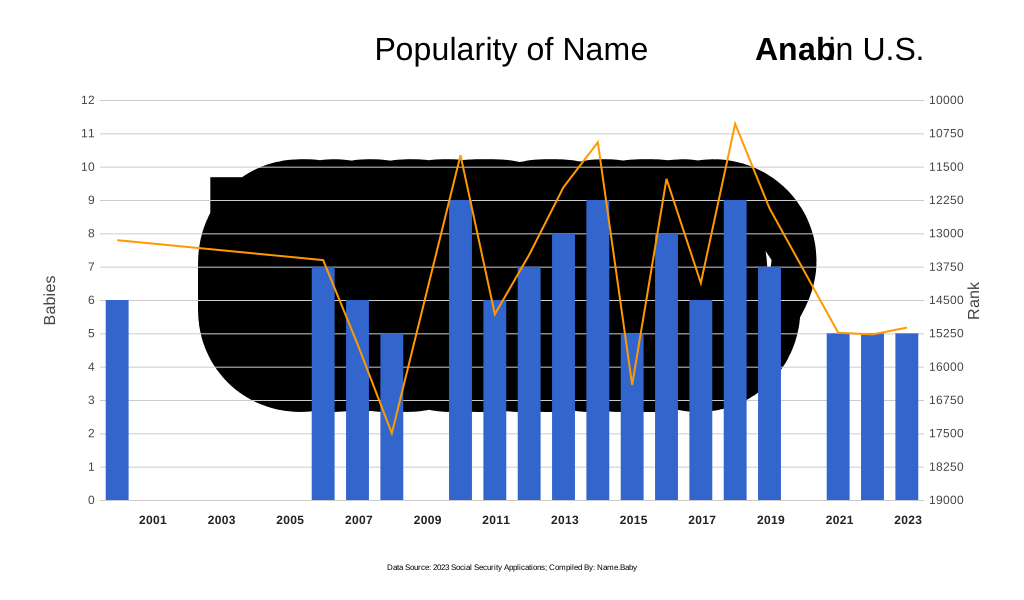
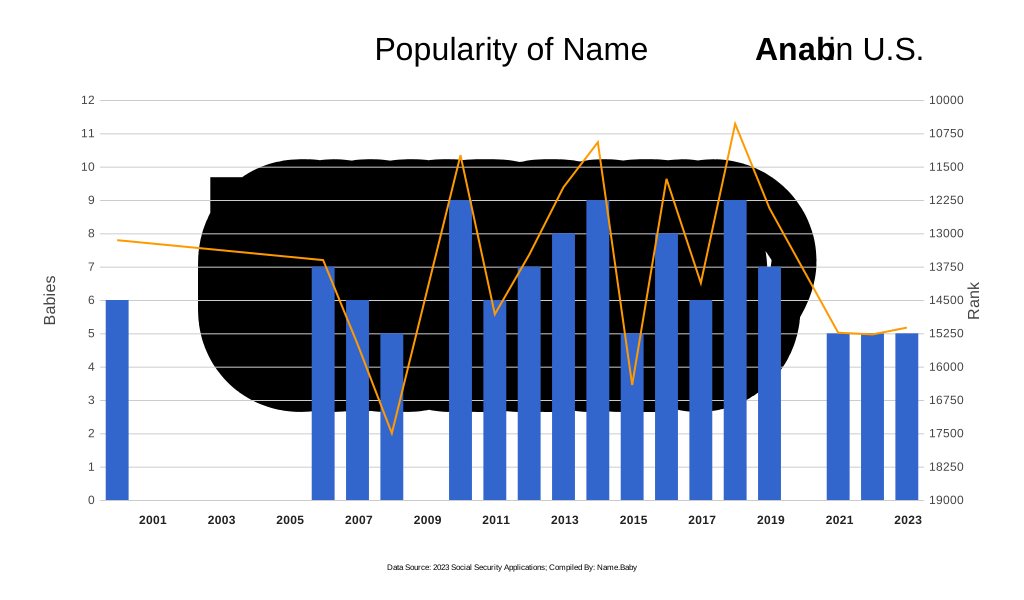
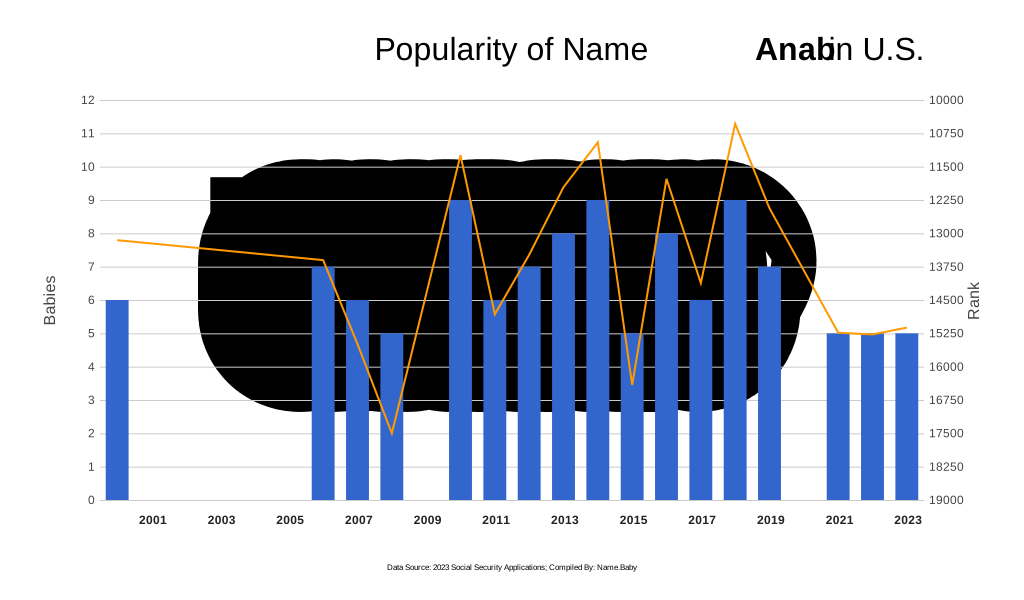
Anab, pronounced uh-NAHB, springs from the ancient Semitic word for “grape,” appearing in Hebrew scripture as a Judean hill town and mirroring the Arabic ‘inab with the same meaning. The name carries the quiet imagery of clustered fruit and ripening vines—symbols of harvest that run from Mediterranean terraces to the sun-washed viñas of La Rioja and the Andean valleys of Chile. In the United States it remains a well-kept secret, logging just five to nine births per year since 2000 and landing at No. 953 in 2023, yet its lean two-syllable form travels smoothly across languages. Anab appeals to parents who favor concise, cross-cultural choices with a hint of biblical geography and botanical grace, offering a subtle nod to abundance without straying into extravagance.
Pronunciation
- Pronunced as uh-NAHB (/əˈnɑb/)
U.S. Popularity Chart