Anayeli
Meaning of Anayeli
Anayeli—voiced ah-nah-YEH-lee, with each syllable slipping past the lips like a bamboo flute note in a Kyoto garden—emerges from Mexican-Spanish creativity as a delicate graft of Ana, the age-old Hebrew flower meaning “grace,” and the airy diminutive -yeli, which lends a soft, melodic afterglow; together they sketch an image of grace that lingers, much like the pale ink of a haiku brushed onto rice paper just before the dew evaporates. Though only a quiet presence on American name lists, where it drifts within the mid-hundreds like a silver carp beneath moonlit water, Anayeli carries the cool poise of a winter crane—suggesting dignity without insistence, beauty without flourish. Parents drawn to the name often speak of twilight qualities: a tempered gentleness, a discreet strength, and the promise of renewal that hides in every new dawn—echoes of both the biblical mercy cradled in Ana and the modern cadence of Latin pop songs that let the suffix dance. In this fusion of old and new, East and West, Anayeli becomes a bridge of quiet light—an understated reminder that grace may travel far, yet always settles with the stillness of falling snow on cedar branches.
Pronunciation
Spanish
- Pronunced as ah-nah-YEH-lee (/a.na.ˈje.li/)
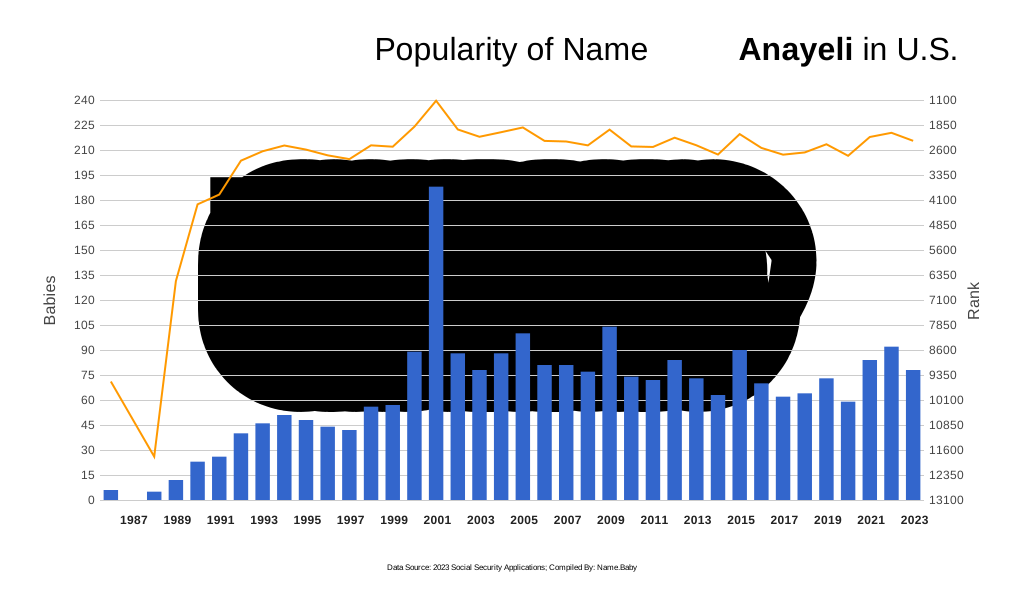
U.S. Popularity Chart
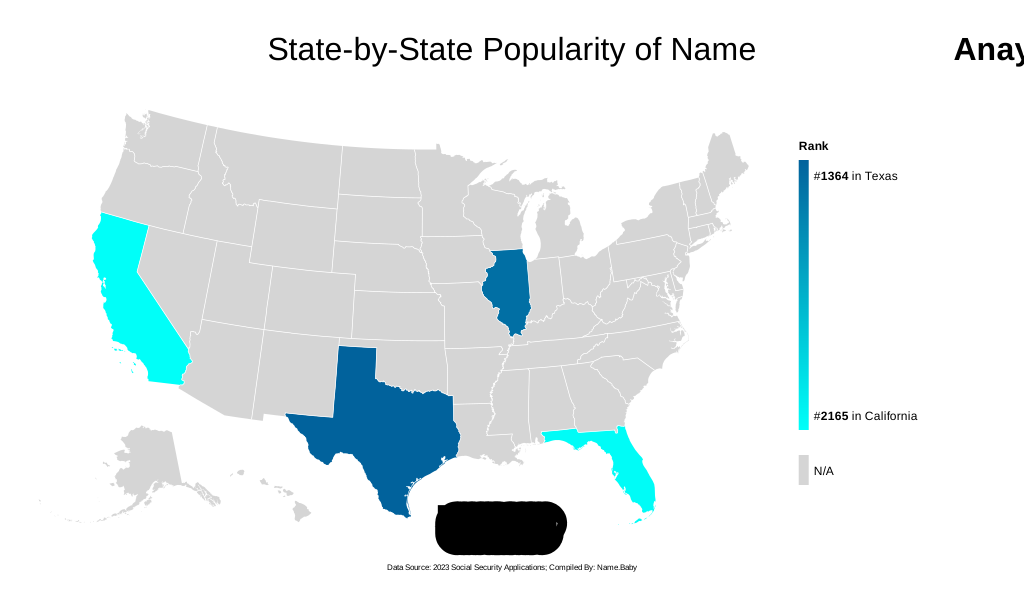
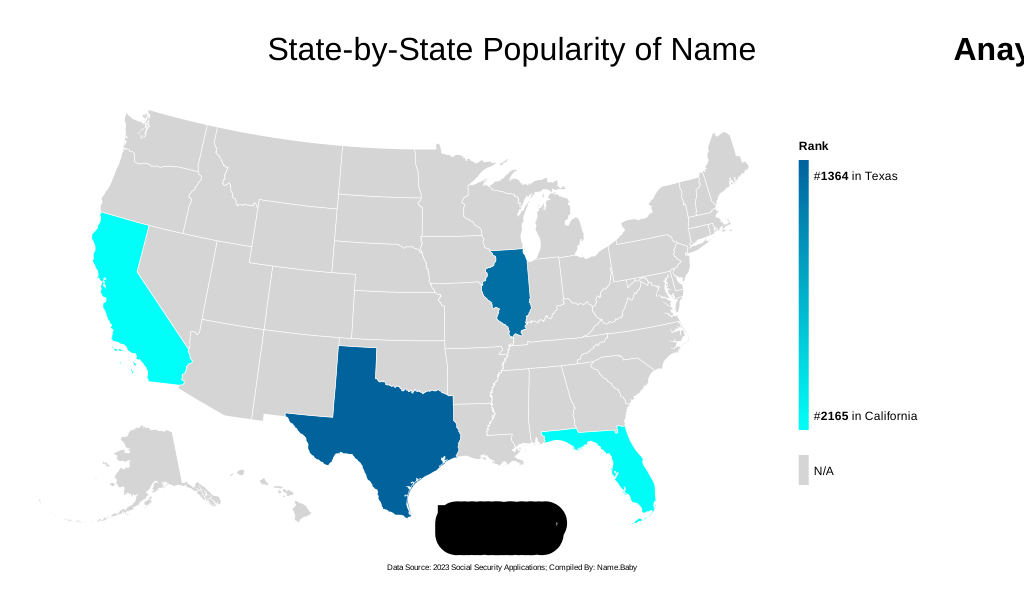
States Popularity Chart

Notable People Named Anayeli
| Anayeli Muñoz Moreno - |
