Ashanta
Meaning of Ashanta
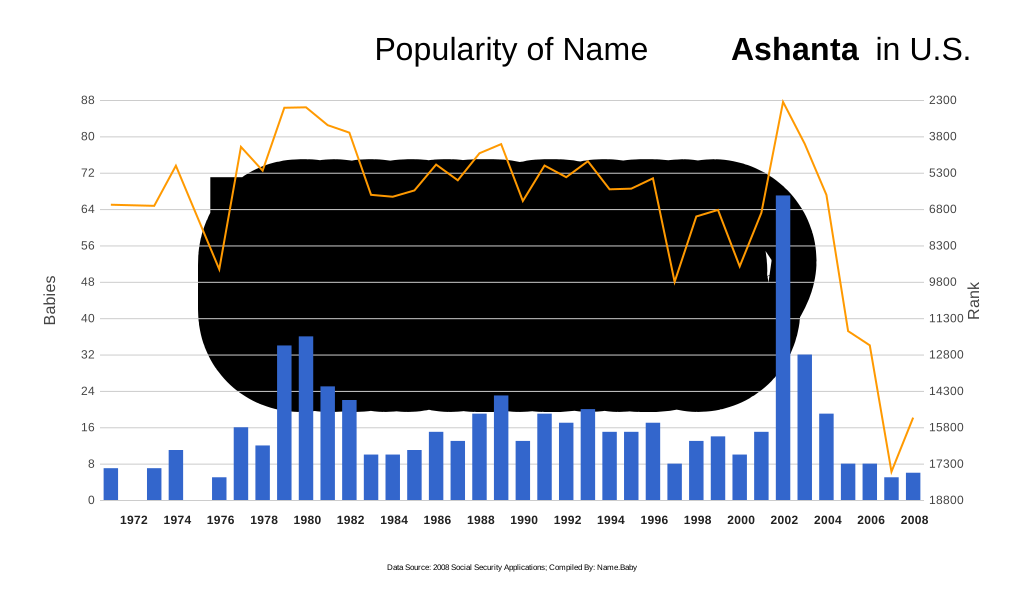
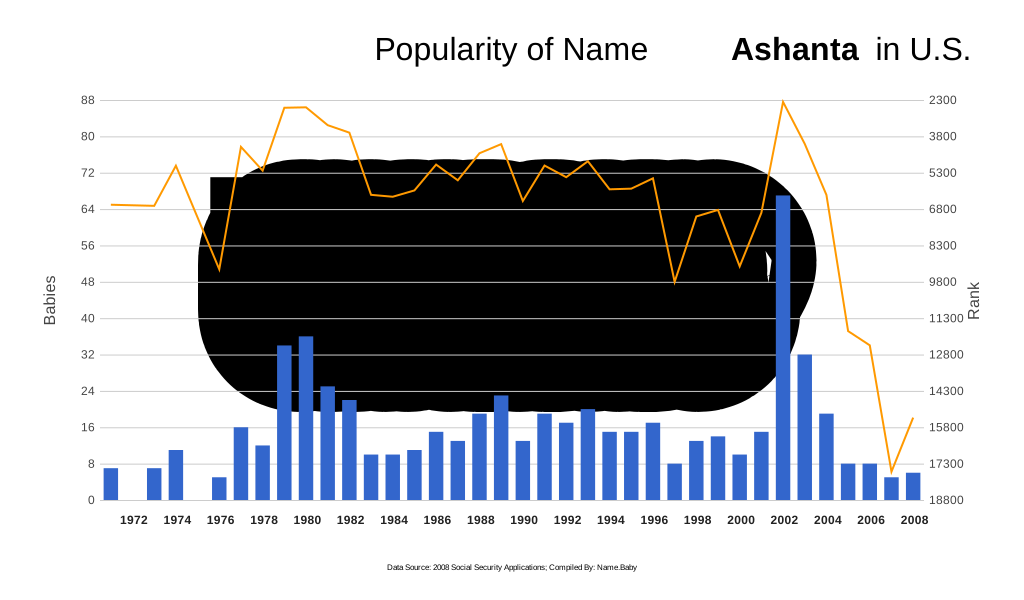
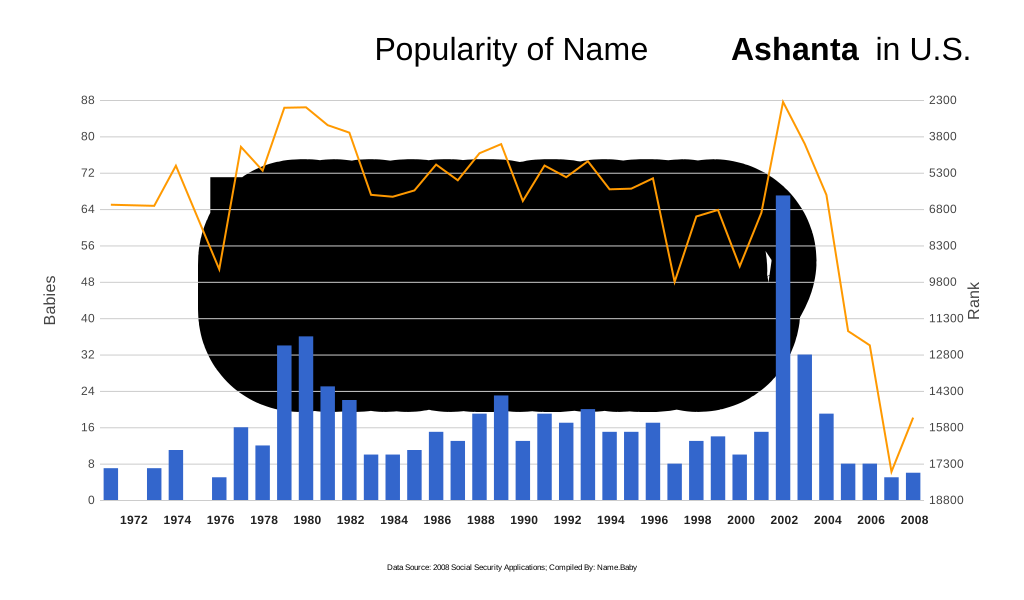
Ashanta, a feminine appellation with the phonetic rendering /əˈʃæn.tə/, occupies a distinctive position within contemporary Anglo-American naming practices by virtue of its multilayered etymological resonance and modest yet enduring popularity metrics. Etymologically, it can be traced to the Sanskrit root śānta, signifying “peaceful” or “tranquil,” with the augmented initial vowel form functioning to heighten its phonological symmetry; concurrently, it is often perceived as a creative adaptation of the Akan ethnonym Ashanti, thereby invoking cultural associations with the historic Ashanti people of Ghana and their rich artistic and political heritage. The Social Security Administration’s data reveal Ashanta’s emergence in 1971 and subsequent oscillations within the lower strata of the top one thousand names, punctuated by an early-1980s cluster of over thirty occurrences and a pronounced resurgence in 2002 with sixty-seven recorded births, before settling into a plateau of single- to double-digit registrations by the late 2000s. This pattern underscores the name’s appeal as an idiosyncratic choice for parents seeking an appellation that combines cross-cultural allusion, semantic depth and phonetic balance, its restrained frequency further enhancing its suitability for those who prioritize uniqueness tempered by an undercurrent of familiar cadence.
Pronunciation
English
- Pronunced as uh-SHAN-tuh (/əˈʃæn.tə/)
U.S. Popularity Chart
Notable People Named Ashanta
| Ashanta Baghphukan - |
