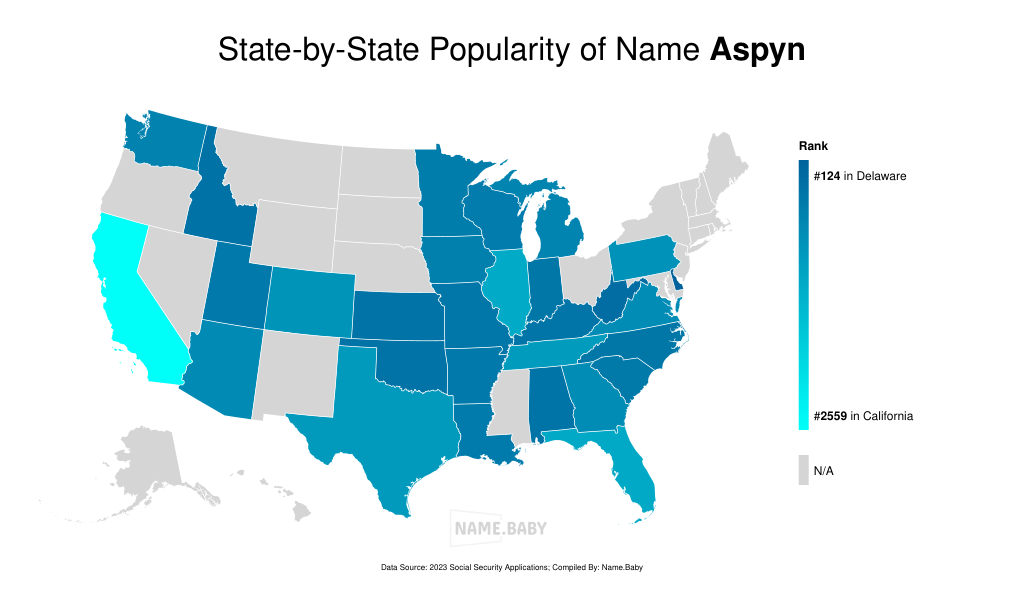
Aspyn
Meaning of Aspyn
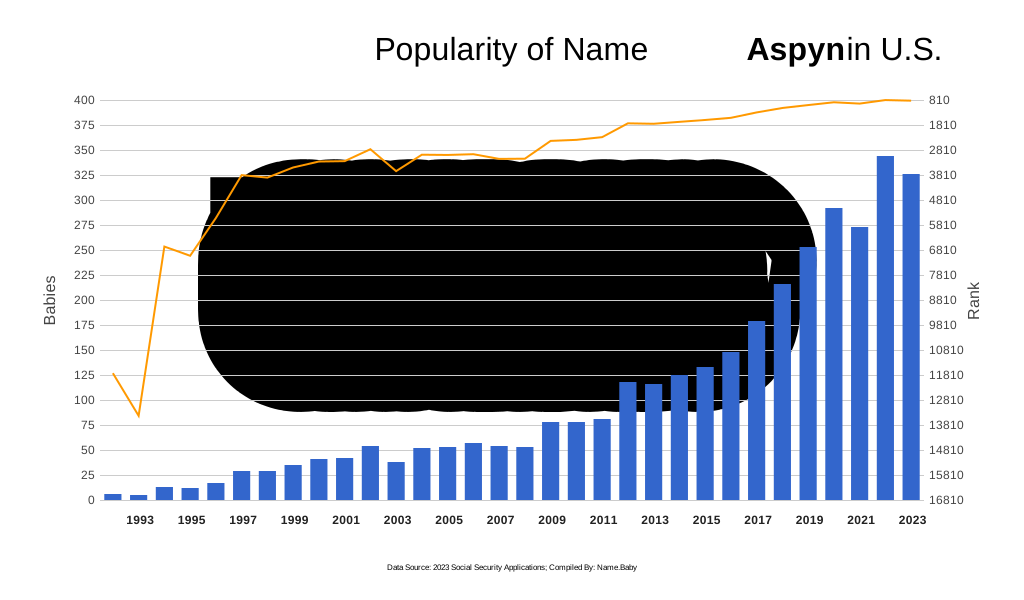
Aspyn—pronounced AS-pin—draws its sap from the English word “aspen,” that nimble tree whose heart-shaped leaves tremble like a thousand tiny fans at the lightest sigh of wind; in Japanese gardens such restless foliage is prized for the soft susurrus called sawasawa, a sound poets chase the way skiers chase powder in the Colorado town that shares the name’s traditional spelling. As a given name, the y-swap lifts the familiar into the gently off-beat, suggesting parents who enjoy coloring just outside the lines yet prefer watercolors to spray paint. Associations drift from alpine slopes to autumn gold, from the notion of resilience—aspens interlock roots beneath the earth like a secret tea ceremony of survival—to the elegant concept of wabi-sabi, finding beauty in motion and impermanence. Quietly climbing American charts since the mid-1990s, Aspyn remains uncommon enough to turn heads without obliging its bearer to spell it aloud all day; after all, one could choose tougher destinies than being forever linked to a tree that spends its life applauding the breeze.
Pronunciation
American English
- Pronunced as AS-pin (/æsˈpɪn/)
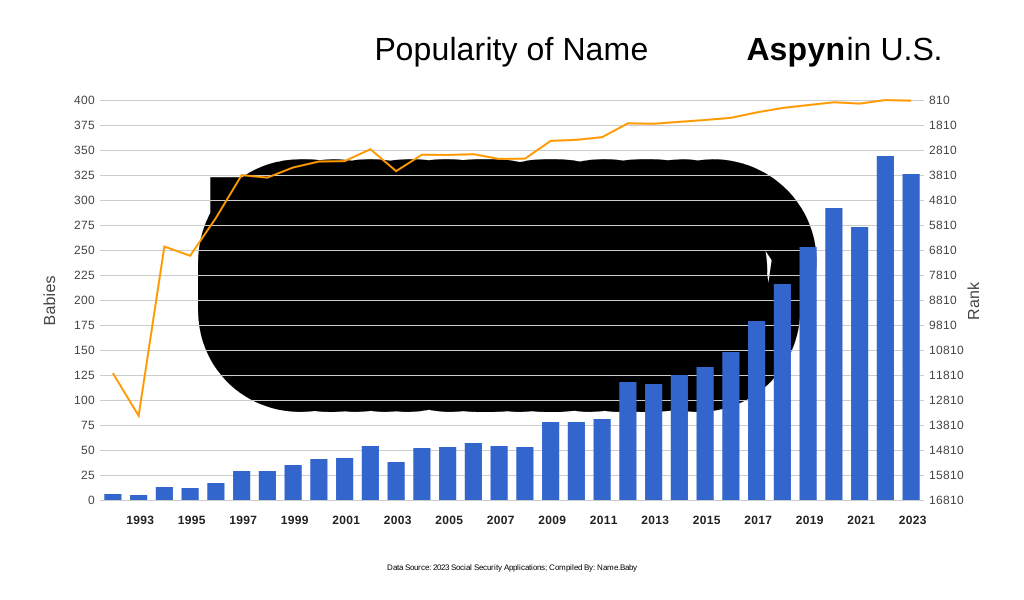
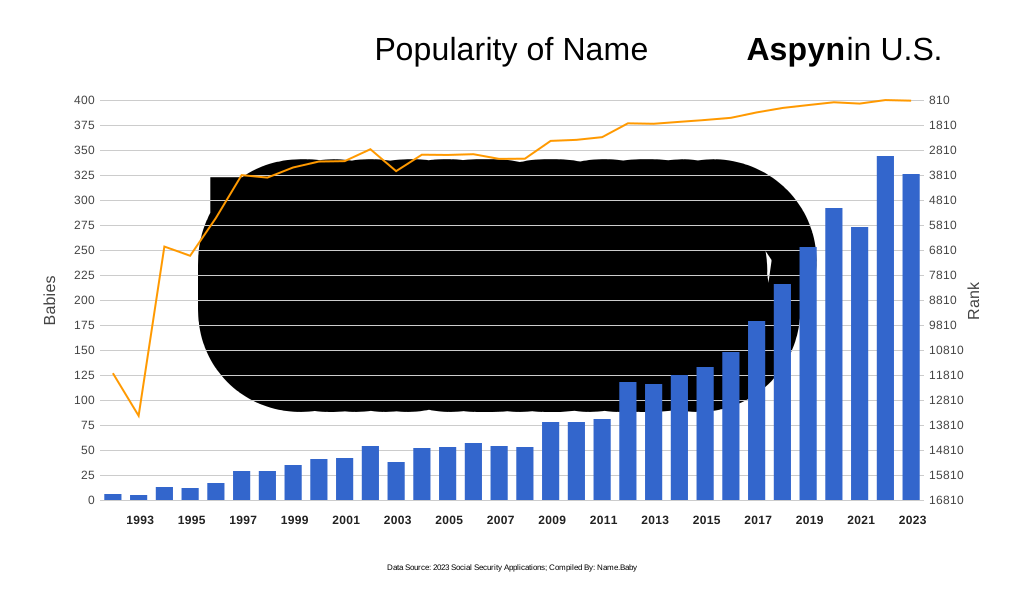
U.S. Popularity Chart
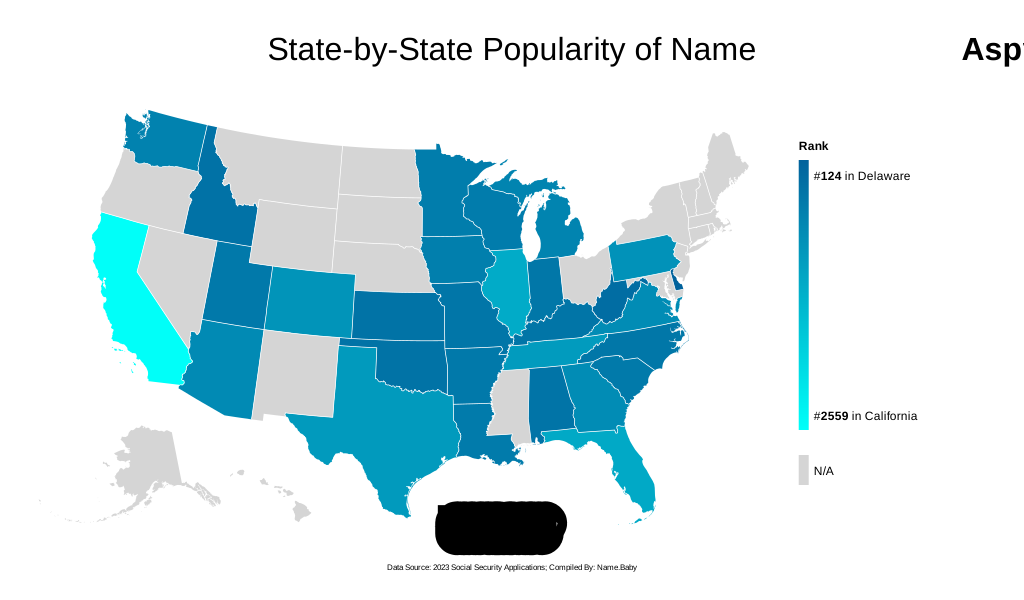
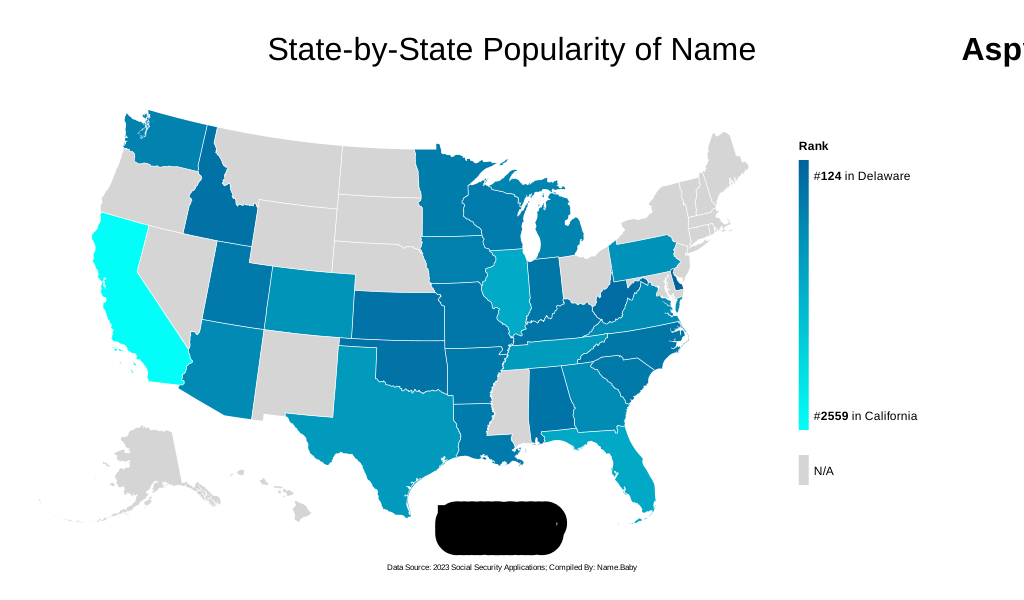
States Popularity Chart