Audemar
Meaning of Audemar
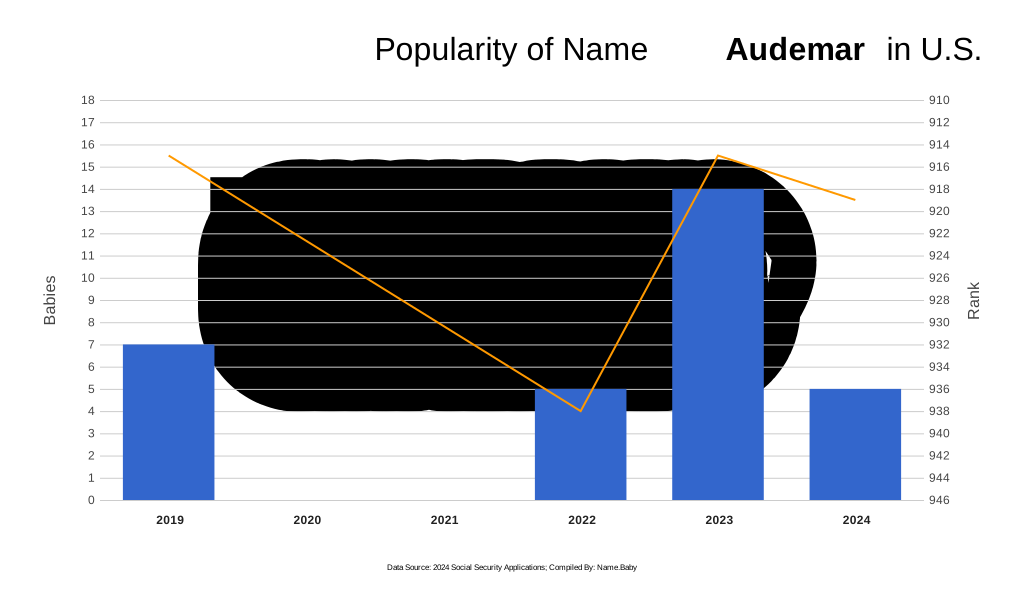
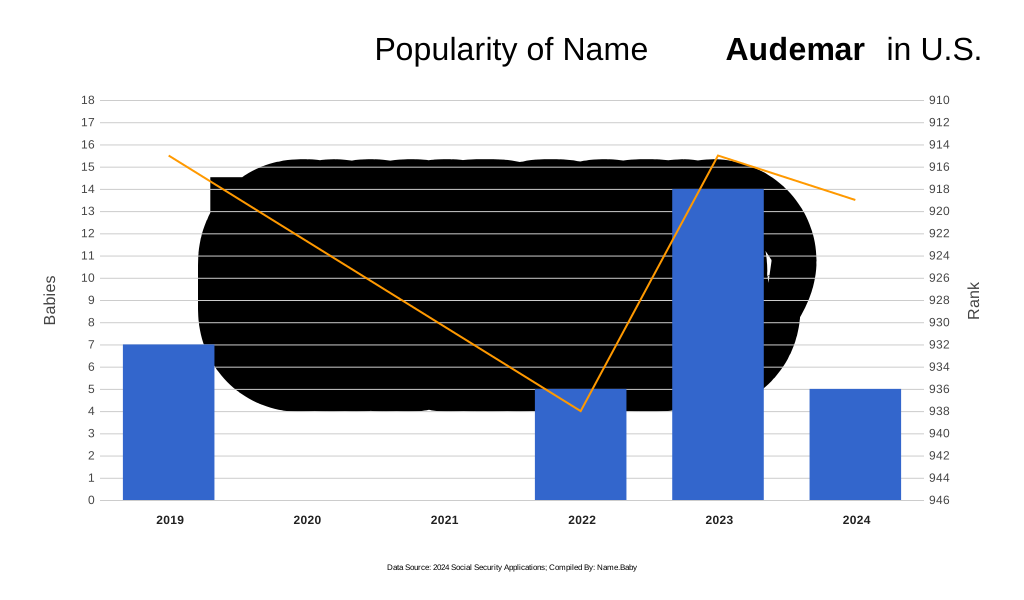
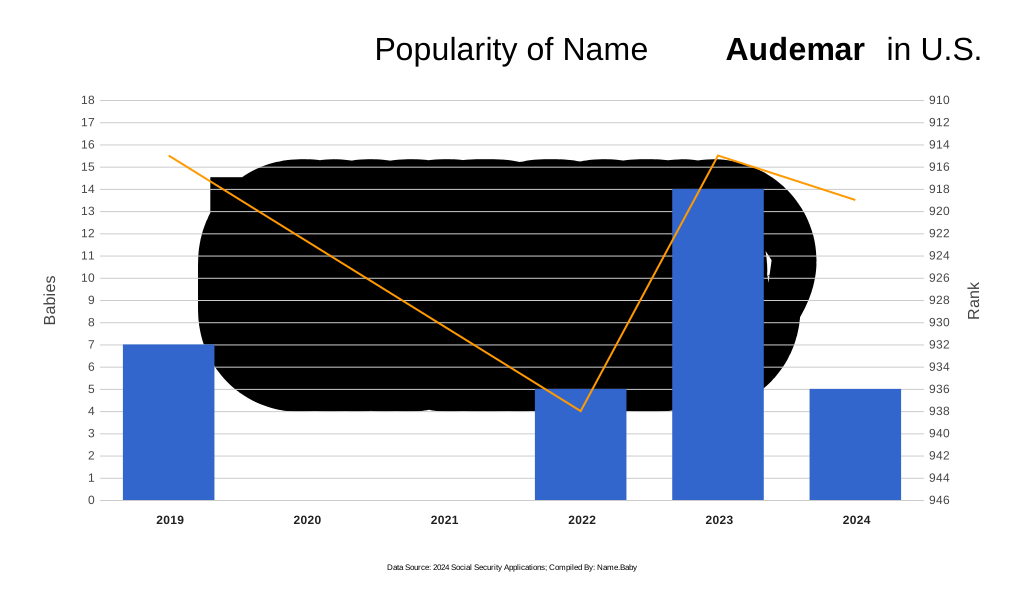
The name Audemar, with its mellifluous French pronunciation oh-duh-MAHR (/oˈdɛmɑr/), unfolds like a richly embroidered Latin codex in which the Germanic roots aud (“wealth”) and mar (“fame”) intertwine to promise both material prosperity and illustrious renown. Emerging from the mists of medieval chivalry, it evokes visions of knightly banners gleaming beneath dusky castles, where every syllable carries the weight of ancestral coffers and courtly acclaim. In contemporary usage across the United States, Audemar remains a rare gem—five newborns in 2024 borne this name, placing it at a modest rank of 919—yet its modest frequency only heightens the allure of its distinctive heritage. Academically inclined parents may find themselves drawn to its etymological precision and phonetic elegance, even as they recognize that bestowing such a name does not, alas, guarantee an immediate swell in one’s bank balance. Warmly formal and steeped in Latin-flavored erudition, Audemar thus stands as an expository testament to a tradition that prizes learned grandeur, ensuring that each utterance resonates with both historical depth and future promise.
Pronunciation
French
- Pronunced as oh-duh-MAHR (/oˈdɛmɑr/)
U.S. Popularity Chart