Biran
Meaning of Biran
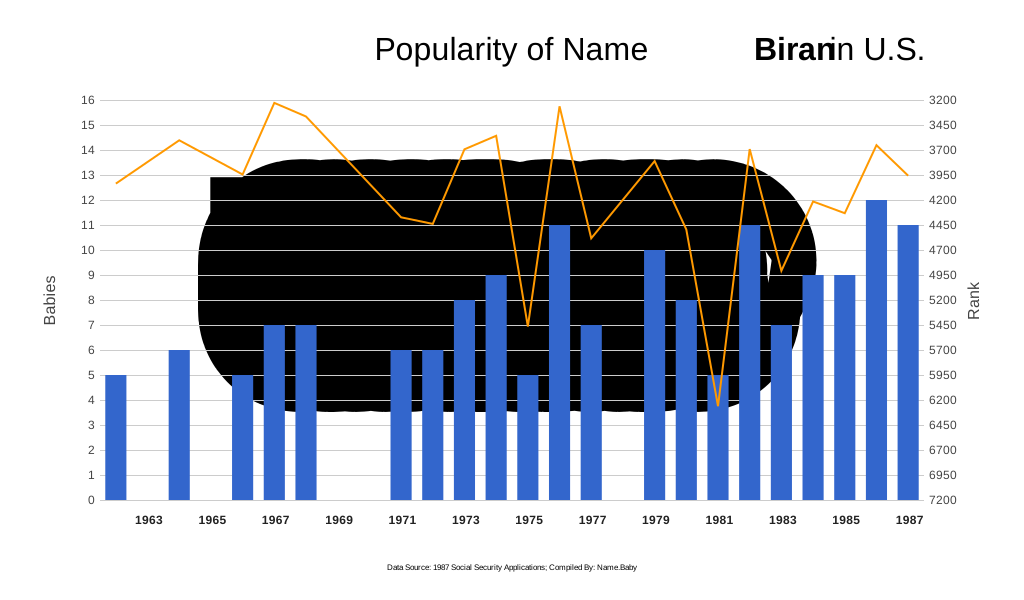
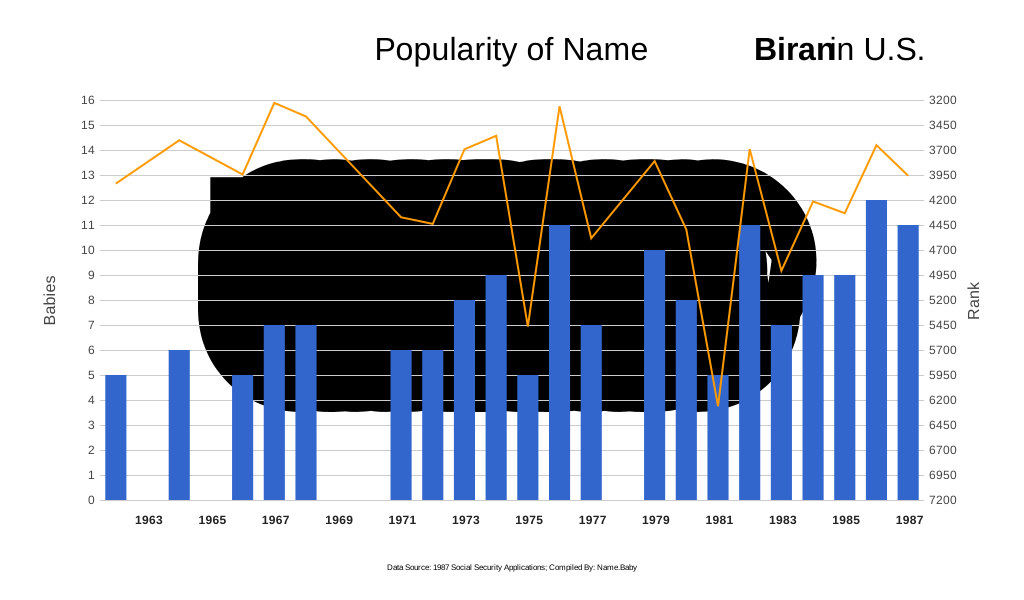
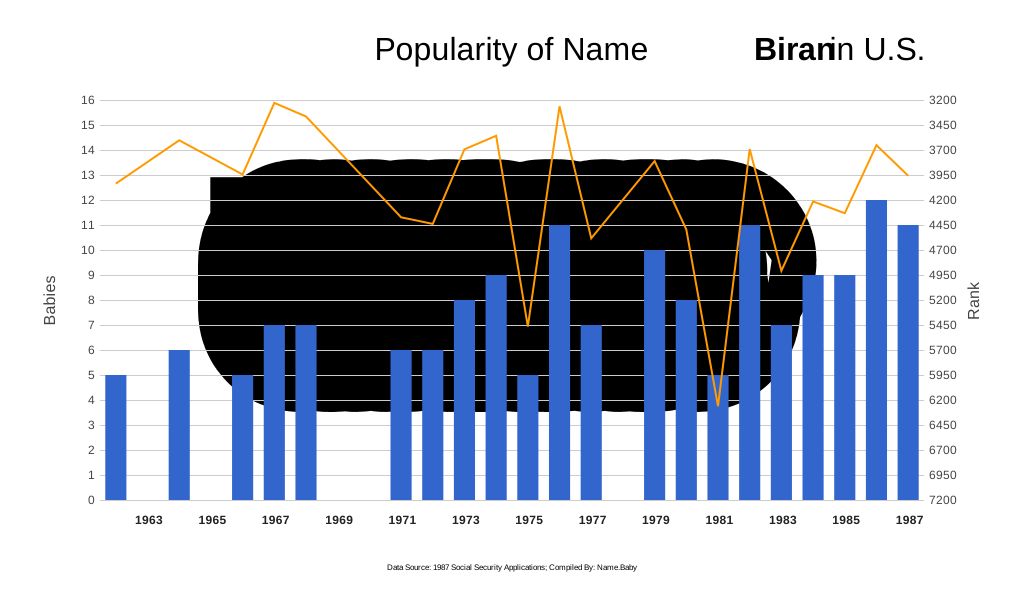
Biran, a name that arcs through misted memories like a lone crane cleaving the dawn sky, is woven from threads of both Celtic ardor and Japanese elegance; at its root lies the Old Irish bri, signifying “exalted” or “noble,” while its syllables in Japanese—bi (美), “beauty,” and ran (蘭), “orchid”—bloom with the silent grace of a single blossom at twilight. In English usage, it is rendered with a whisper of wind as BYE-ran (/baɪˈræn/ or /baɪˈrɑn/), a pronunciation that evokes the hushed reverence of temple corridors lined with bamboo. Though it touched American birth registers only briefly—cresting in the early 1980s with around a dozen bearers per year and hovering near rank 698—its rarity imbues it with an aura of serene distinction. Thus, Biran offers a boy not merely a name but a living haiku—each utterance a delicate yet enduring testament to quiet strength, timeless heritage, and the art of standing apart.
Pronunciation
American English
- Pronunced as BYE-ran (/baɪˈræn/)
British English
- Pronunced as BYE-ran (/baɪˈrɑn/)
U.S. Popularity Chart
Notable People Named Biran
| Biran Damla Yılmaz - |
