Bithiah
Meaning of Bithiah
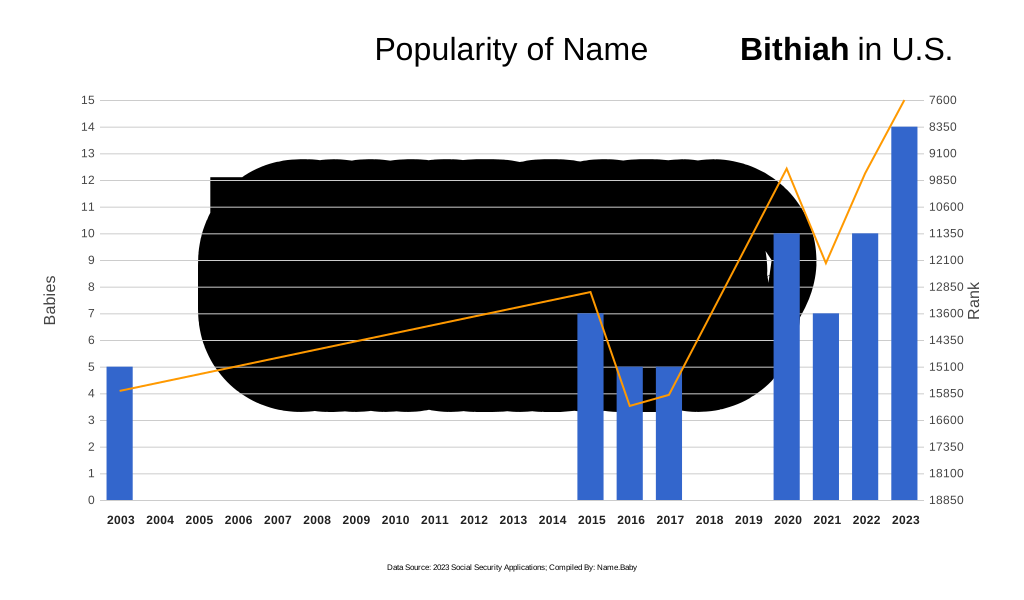
Bithiah, pronounced bi-THY-uh (/bɪˈθaɪ.ə/), emerges from Hebrew roots meaning “daughter of Yah,” a title famously borne by the Egyptian princess who rescued Moses and later embraced the Hebrew faith. Seen through a Persian-flavored lens of poetic nuance and historical depth, the name unfolds like an enduring desert blossom—subtle yet unyielding—echoing a regional reverence for names steeped in narrative and symbolic grace. While it may not storm the popularity charts—its SSA ranking consistently in the 900s with fewer than twenty newborns annually—its steady arrival carries the same dependable rhythm as dunes shaped by time. Analytically speaking, the components beth (daughter) and Yah (God) weave a profound dialogue between lineage and spirituality, positioning Bithiah as both a resonant echo of ancient tradition and a quietly bold modern statement.
Pronunciation
Hebrew
- Pronunced as bi-THY-uh (/bɪˈθaɪ.ə/)
U.S. Popularity Chart