Dariana
Meaning of Dariana
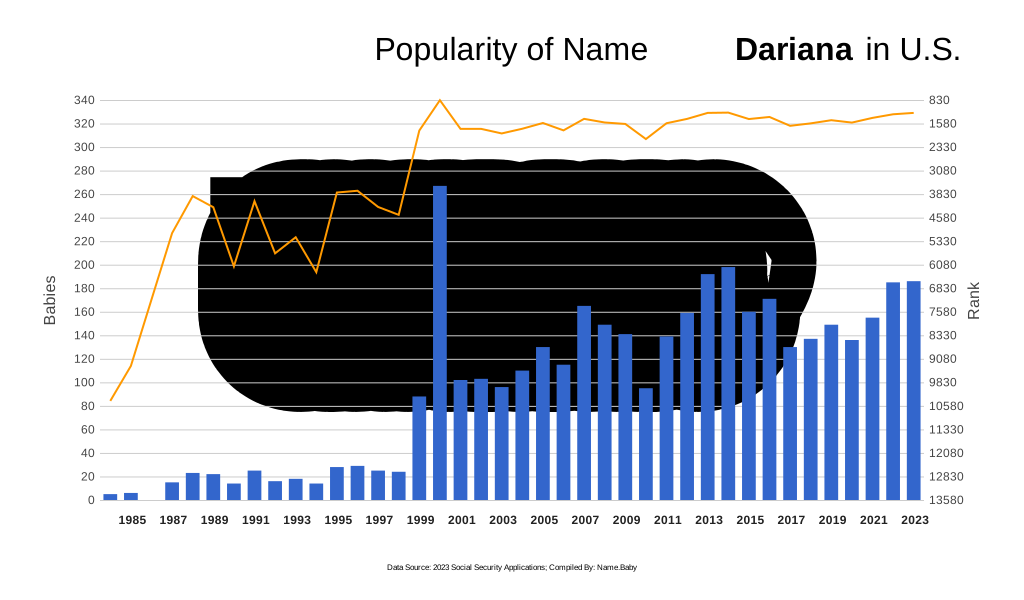
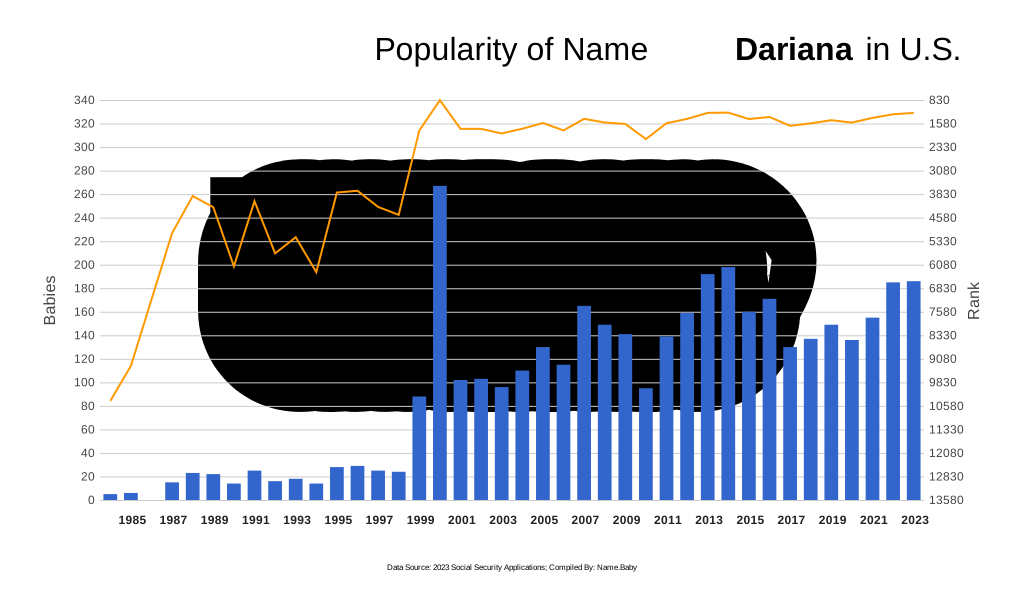
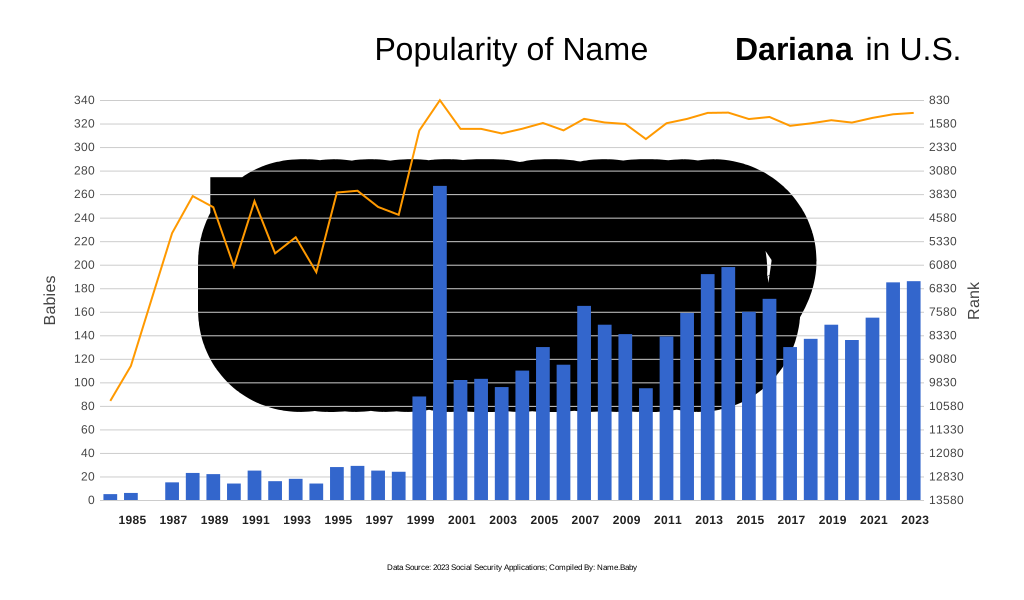
To the onomastic ear, Dariana unfurls like a silk banner in a coastal breeze—its syllables alternating between strength and grace—yet its lineage is anything but capricious: most scholars trace the form back to the ancient Persian royal title Darius (Old Persian dārayavahuš, “he who upholds the good”), filtered through the Russian-Latin Daria and expanded by the mellifluous Romance suffix -ana, while Spanish speakers cannot resist noting the verb dar, “to give,” which lends the whole a quiet generosity. The result is a trilingual concerto in which Persian gravity, Latin structure, and Iberian warmth keep perfect time. Usage data from the United States confirms that this concerto has been performed steadily—never staccato fame, never pianissimo obscurity—hovering comfortably in the 700–800 range since the late 1990s, with a brief fortissimo at rank 636 in the year 2000. Phonetically rendered as dah-ree-AH-nuh, the name glides across the palate like a well-aged Rioja, finishing with an “-ana” flourish reminiscent of Adriana, Juliana, and other classic Hispanophone heroines. Associatively, parents often hear an echo of “aria,” that soaring operatic passage that sends the heart aloft, while historians of empire recall Darius the Great, whose governance demanded both intellectual rigor and diplomatic tact—a resume any modern daughter might appreciate having whispered into her cradle. Thus Dariana stands, poised between antiquity and novelty, a jewel of moderate rarity and undeniable luminosity—proof, perhaps, that a name can harmonize scholarship, sentiment, and just a wink of understated wit.
Pronunciation
English
- Pronunced as dah-ree-AH-nuh (/dəˈriːənə/)
U.S. Popularity Chart
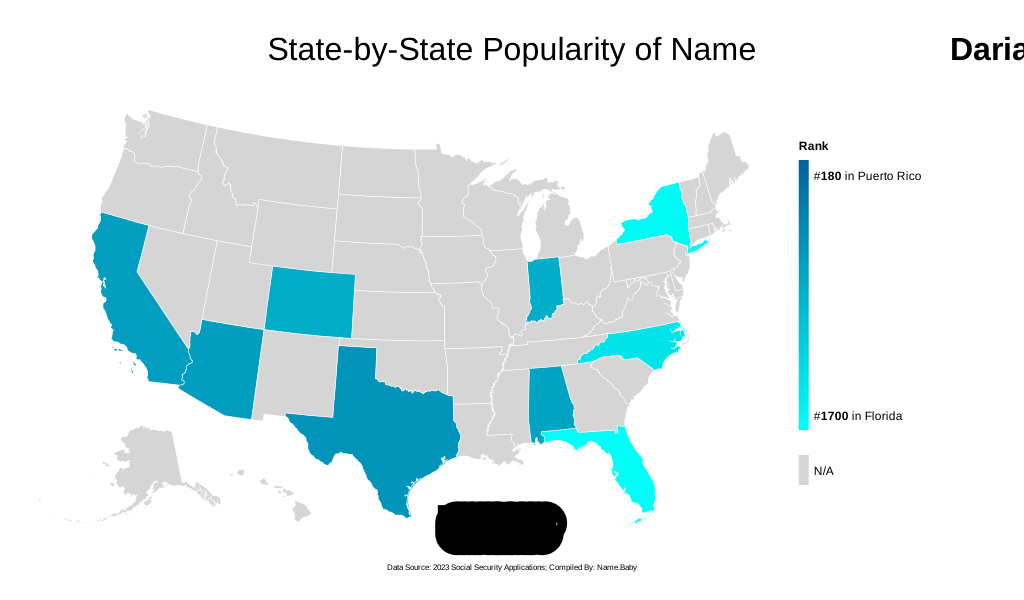
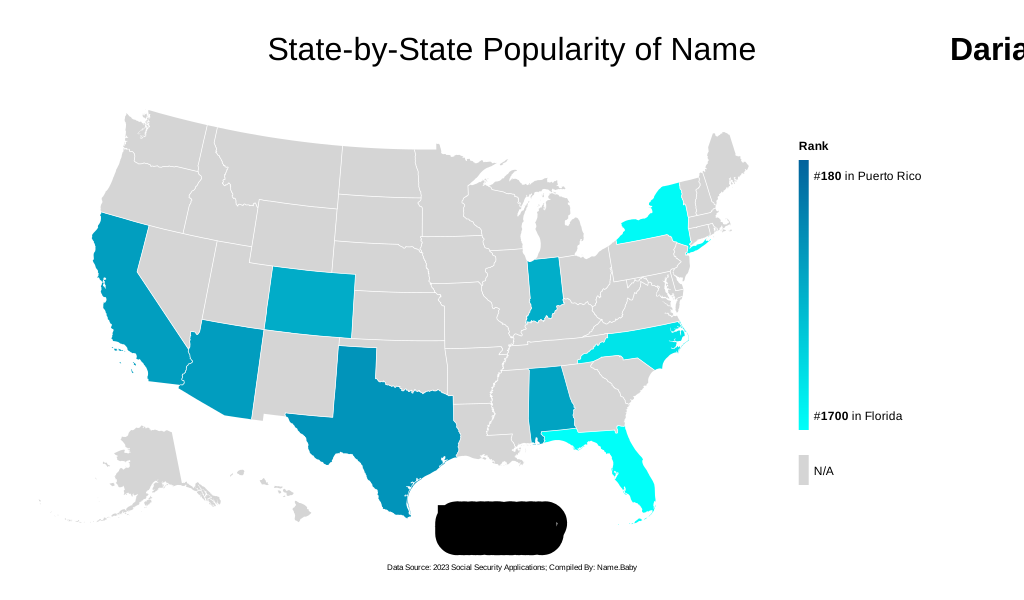
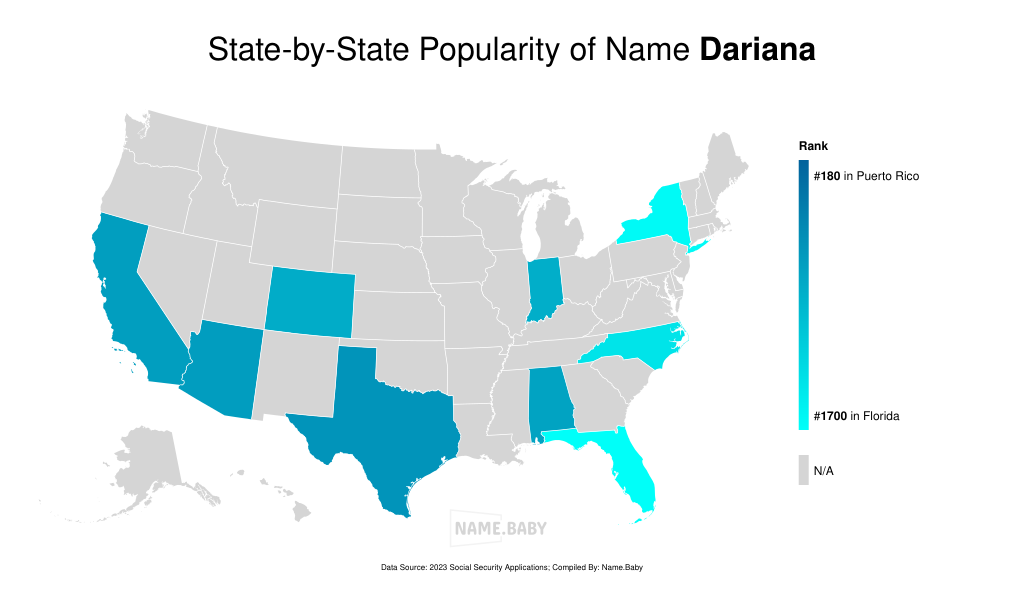
States Popularity Chart