Deserae
Meaning of Deserae
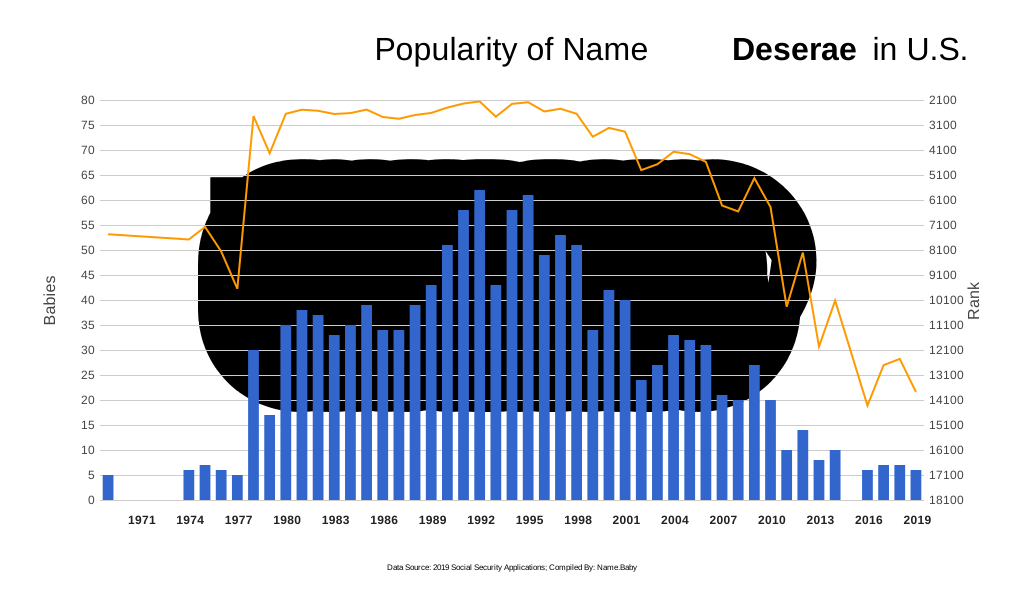
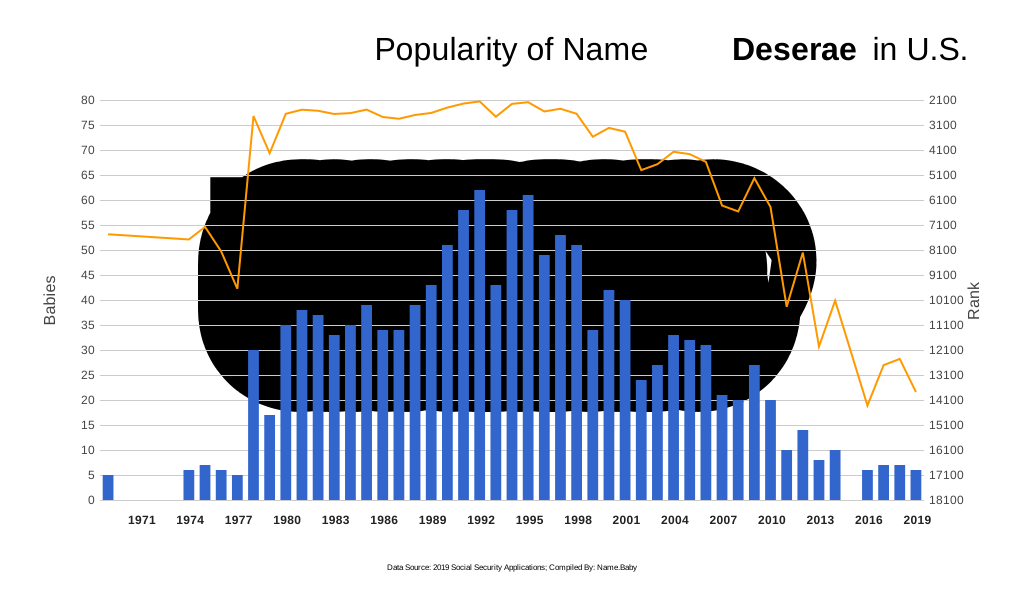
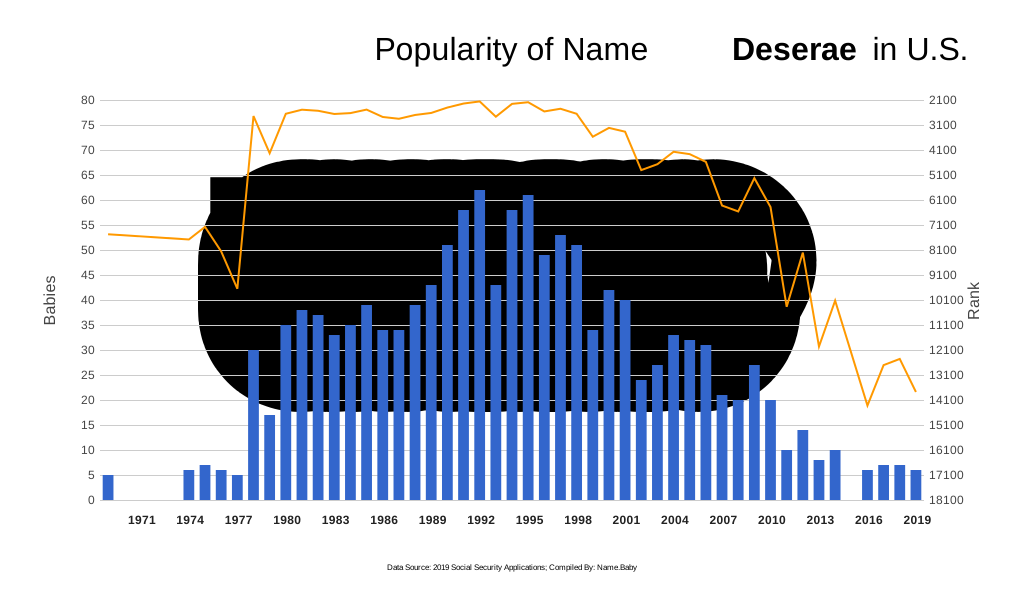
Deserae is a feminine given name primarily encountered in Anglo-American contexts, representing an orthographic variant of the French Désirée, which itself descends from the Latin verb desiderare, “to long for.” Its emergence in English-language naming conventions during the latter half of the twentieth century reflects broader patterns of phonological adaptation and cultural assimilation of continental European personal names. Phonetically rendered as /dɛsəˈreɪ/ with trisyllabic structure and final-syllable stress, Deserae retains a subtle resonance of its Romance origins while conforming to Anglophone prosodic norms. Semantically, the name embodies notions of yearning and intentional cherishment, suggesting a child as one longed for and valued. Although statistical records in the United States indicate modest annual occurrences and fluctuating ranks, the name’s enduring—if niche—presence attests to its appeal among those seeking a balance of historical depth, refined phonetics, and layered meaning. In onomastic scholarship, Deserae thus exemplifies the dynamic interplay of etymology, phonetics, and sociocultural valuation in the evolution of personal names.
Pronunciation
English
- Pronunced as deh-suh-ray (/dɛsəˈreɪ/)
U.S. Popularity Chart