Dionysus
Meaning of Dionysus
Dionysus, deriving from the ancient Greek Διόνυσος and intimately woven into the verdant tapestry of vine‐wreathed mystery, presents itself as a name both potent and erudite, its syllables pouring forth like ambrosial wine upon the modern tongue. In classical myth he reigns as the liberator of the human spirit, a deity whose rites—celebrated by poets from Euripides to Ovid—blur the line between mortal restraint and divine abandon, imbuing his devotees with creative fervor as effervescent as a freshly uncorked amphora. Under his Roman persona, Bacchus, he traversed the marble forums of Rome, lending civic ceremonies the intoxicating promise of renewal through ritual abandon. While no newborn bearing this august appellation is expected to lead a midnight procession brandishing a thyrsus, the name nonetheless bequeaths its bearer a legacy of inspired paradox—where disciplined intellect dances in step with unbridled imagination.
Pronunciation
Greek
- Pronunced as dye-uh-NY-sus (/daɪəˈnaɪsəs/)
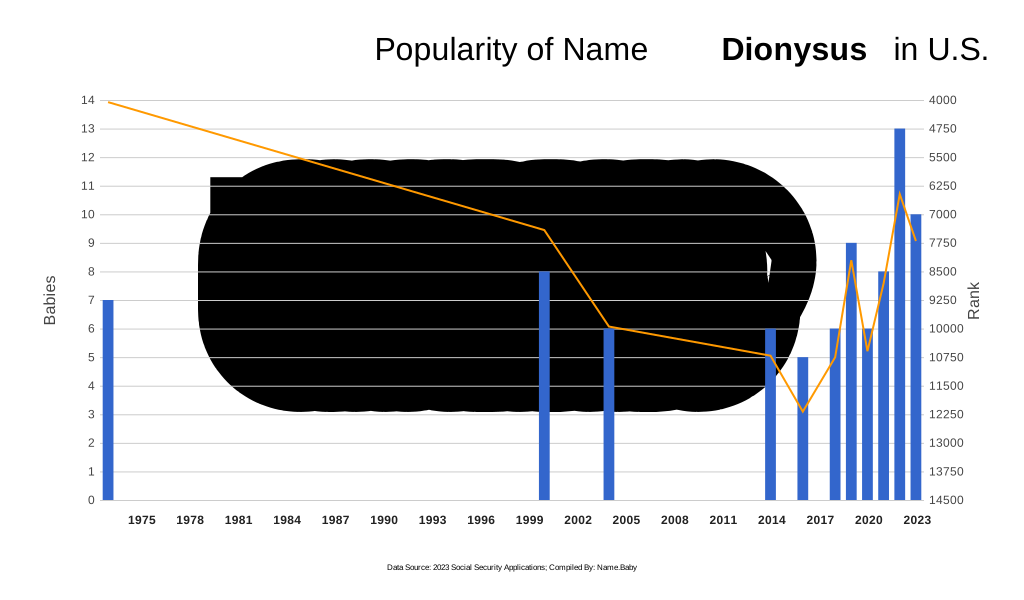
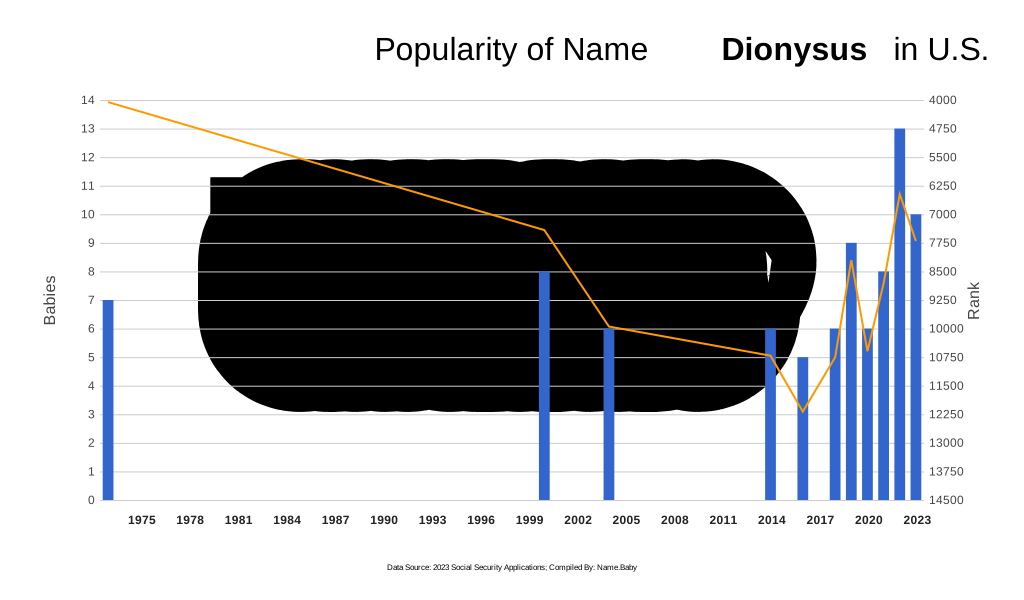
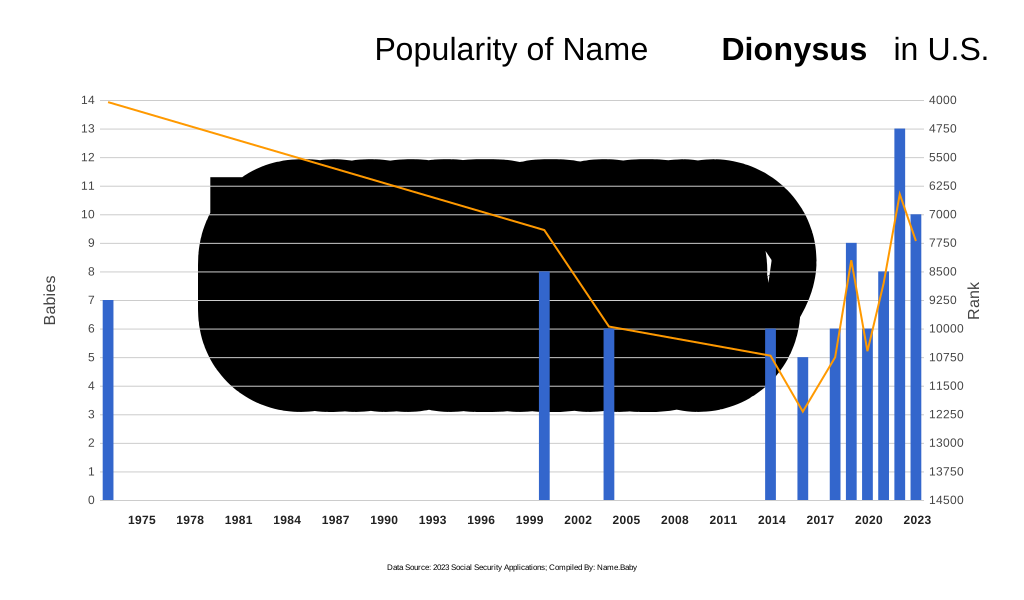
U.S. Popularity Chart