Drace
Meaning of Drace
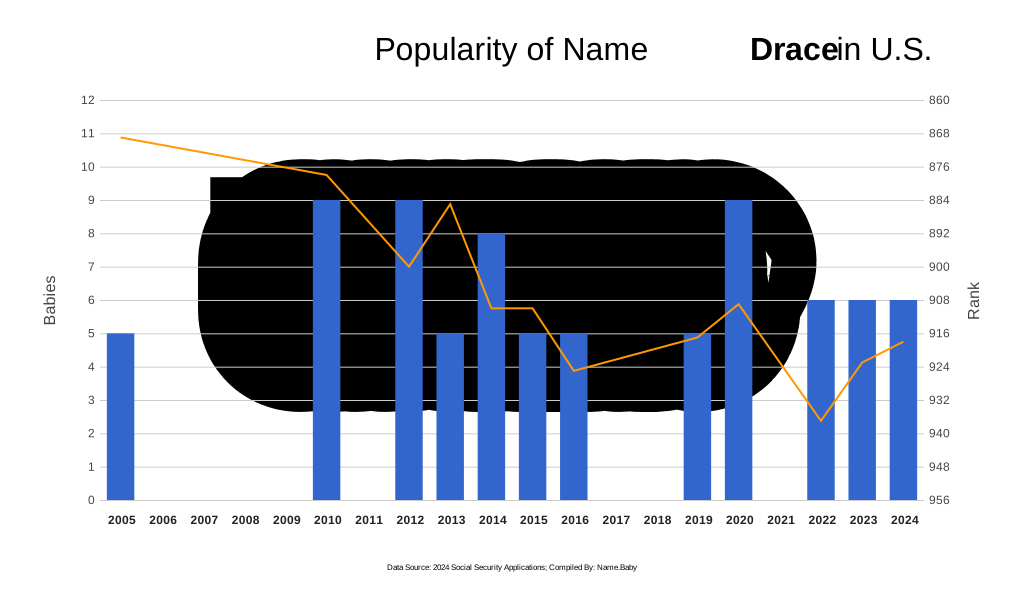
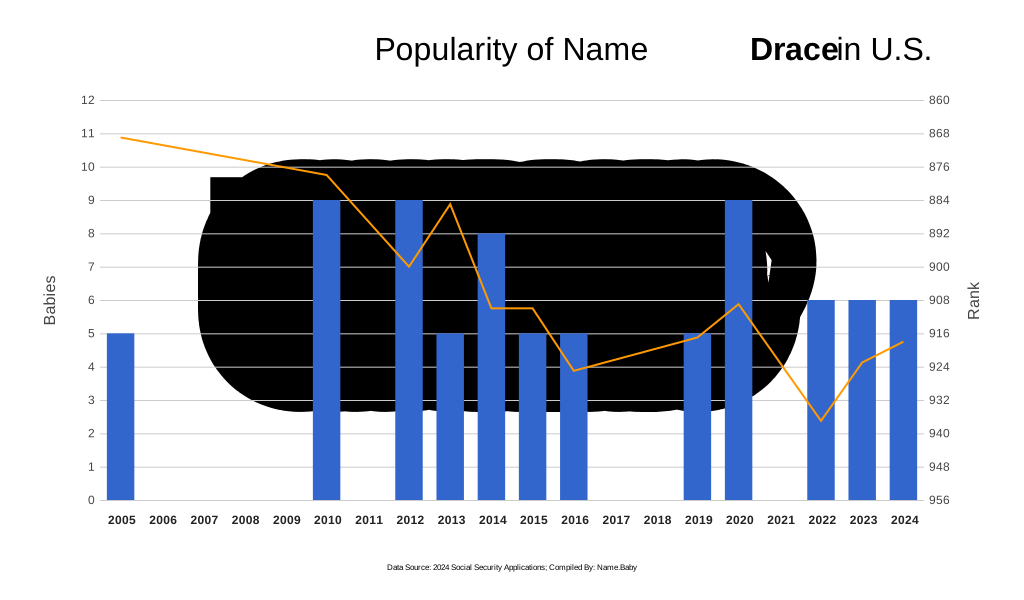
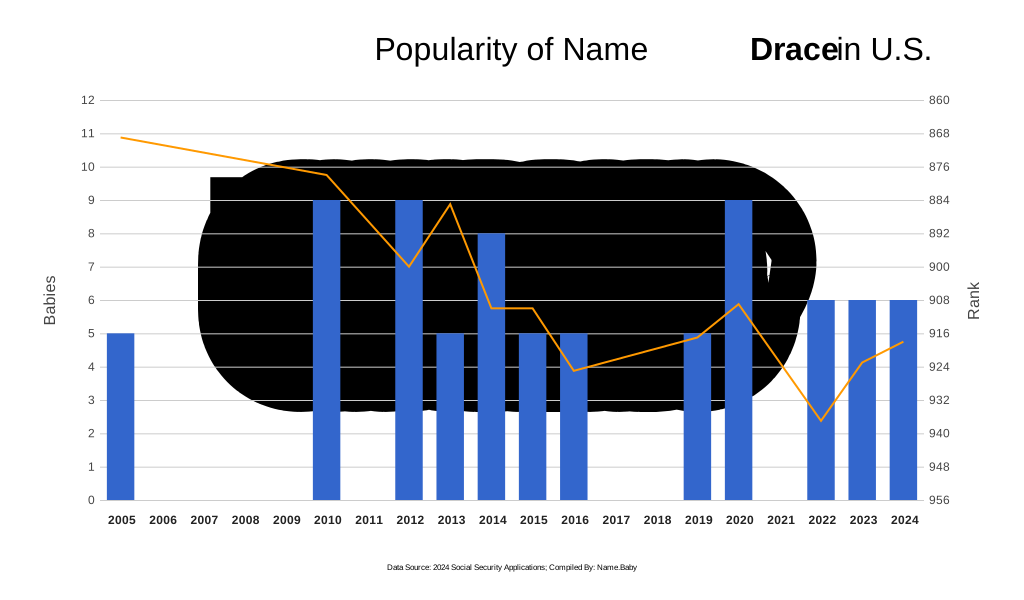
Drace, a name whose sibilant consonants evoke both the measured cadence of a Latin incantation and the subtle hiss of mythic wings, derives from the classical draco (“dragon”) and carries an aura of ancient guardianship fused with scholarly gravitas. Though chronically rare—ranking 918th with six newborns in the United States in 2024 and exhibiting a modest yet steady presence of half‐dozen to single‐digit births over the past two decades—Drace stands as a solitary column amid a bustling forum of popular appellations, its scarcity belying a resonance that is at once archaic and avant-garde. Pronounced /dreɪs/, it offers phonetic clarity as spare and compelling as an ostracon inscribed with Stoic aphorisms, inviting bearers toward leadership tempered by introspection. In Roman epigraphy, draco symbolized imperishable vigilance and serpentine awe—qualities that, when conferred upon a child, suggest a life led with both fire-lit courage and cool intellectual rigor. For parents intent on sidestepping the conveyor belt of contemporary trends, Drace presents a quietly distinguished choice: a name that unfurls an epic narrative into the rhythms of everyday life, all the while permitting a wry, unspoken smile at conventions left in its wake.
Pronunciation
American English
- Pronunced as drays (/dreɪs/)
U.S. Popularity Chart