Drax
Meaning of Drax
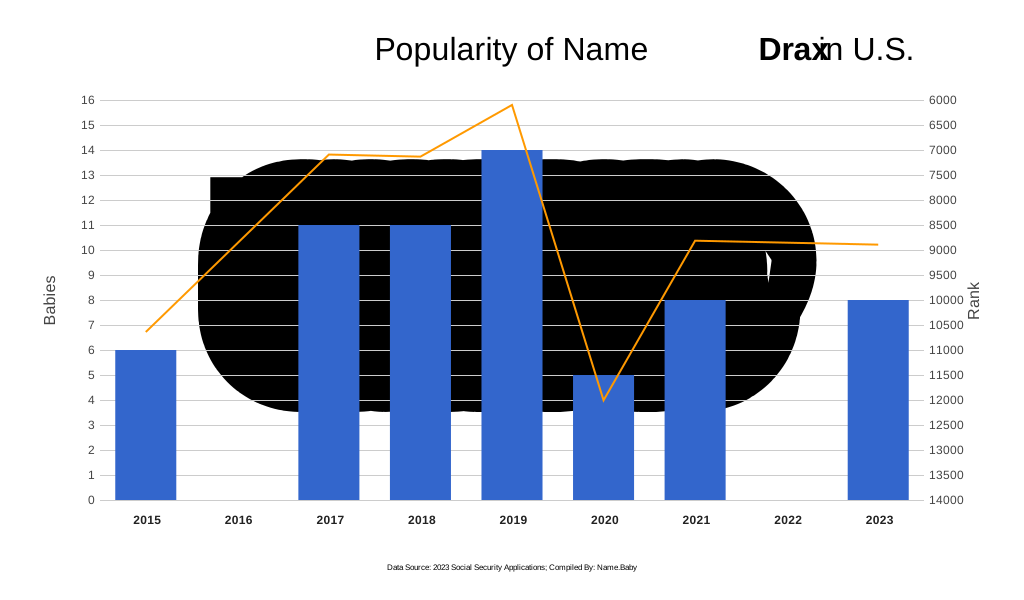
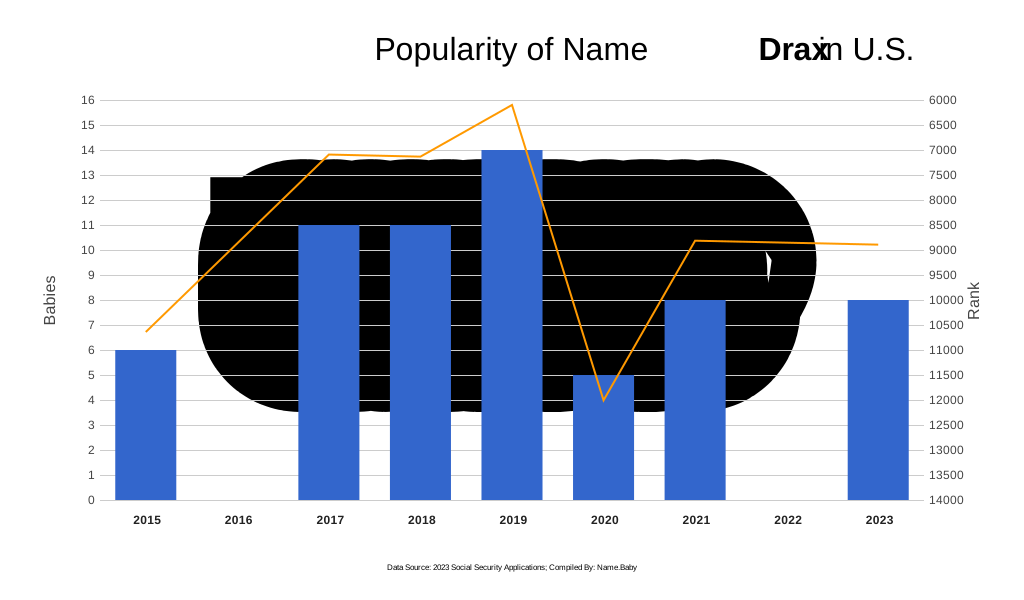
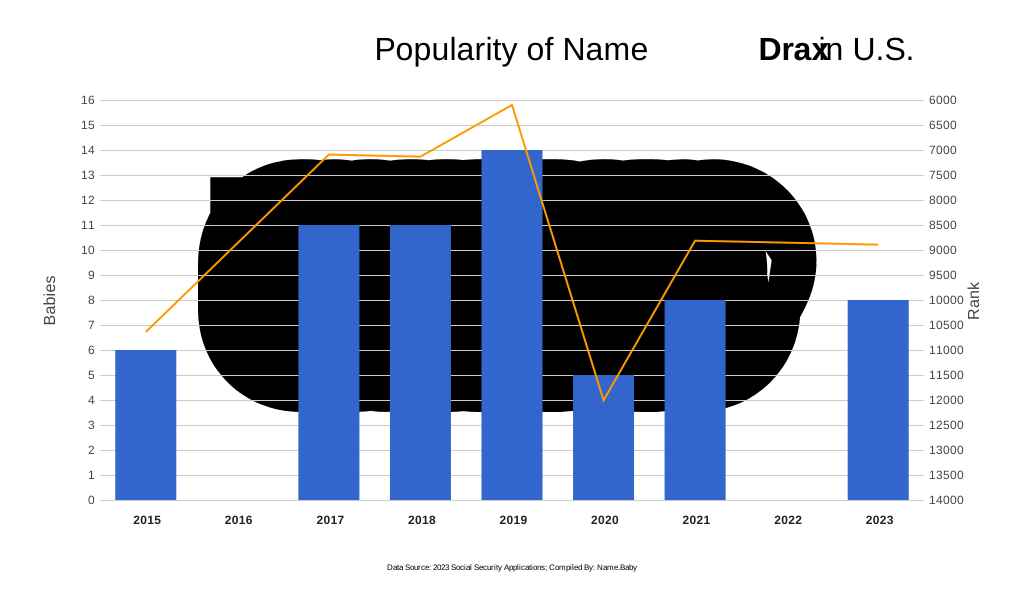
Drax (pronounced /dræks/) unfolds like a moonlit ink painting, its sound sharp and steady as a katana’s edge gliding through silk—an elemental syllable that, though rare in modern registers, has begun to glimmer in American birth statistics, gently rising through the 900s with a handful of newborns each year. Rooted perhaps in the ancient Greek drakon, “dragon,” or echoing the hardy solidity of an English toponym, Drax conjures both mythic fire and steadfast earth, a name that carries the cool authority of a samurai poised beneath cherry blossoms. In its brevity lies expansiveness: a single, resonant breath that speaks of silent strength, of horizons where legends awaken. As it drifts into contemporary use, Drax weaves old-world gravitas with the hushed poetry of a lantern-lit Kyoto alley, offering young bearers a mantle of quiet power and timeless grace.
Pronunciation
- Pronunced as DRAX (/dræks/)
U.S. Popularity Chart