Eythan
Meaning of Eythan
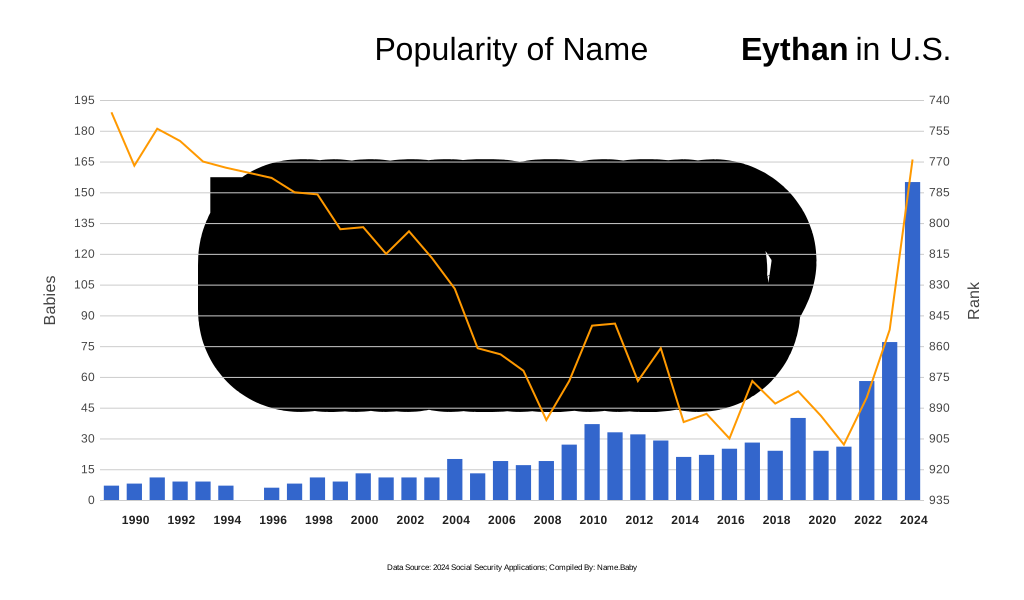
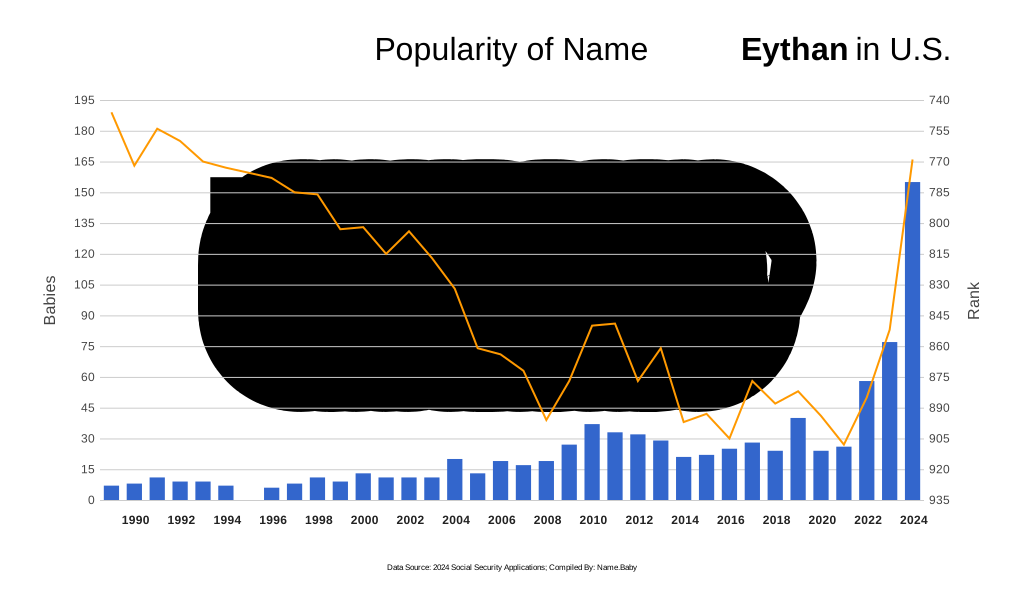
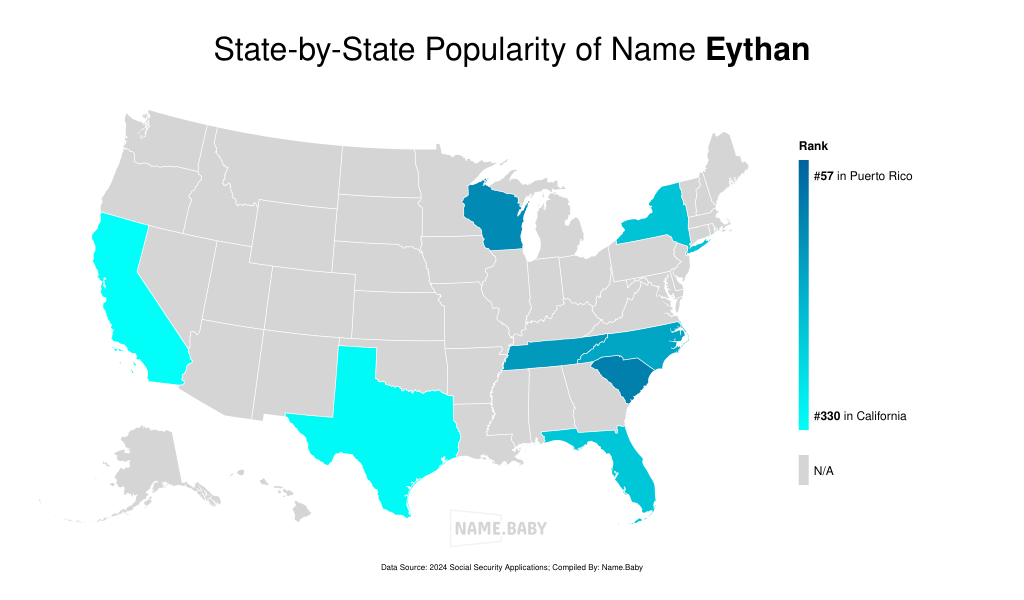
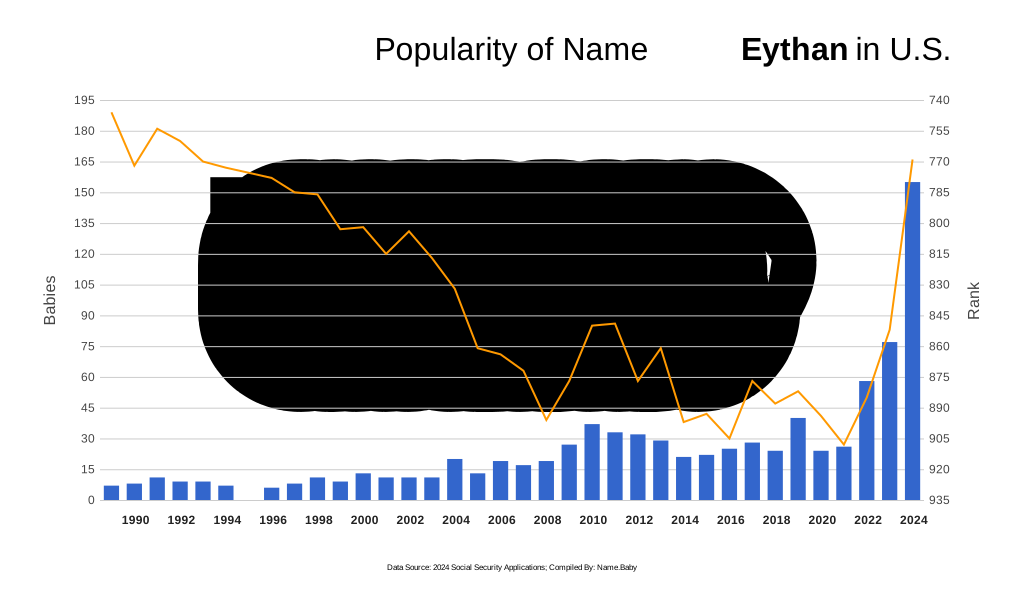
Eythan, a modern orthographic variant of the Hebrew name Ethan—rooted in אֵיתָן (Eitan), meaning “firm,” “enduring,” or “steadfast”—retains the ancient semantic resonance of strength while acquiring a contemporary visual distinctiveness through the insertion of the letter “y.” The name’s earliest literary point of reference is Ethan the Ezrahite, celebrated in the Hebrew Bible for wisdom and longevity, associations that convey intellectual stability alongside physical resilience. In the United States, Social Security data reveal that Eythan has occupied the periphery of the national top-1000 since the early 1990s, with modest yet discernible growth in the past decade: an ascent from rank 908 in 2021 to 769 in 2024 suggests incremental acceptance among parents seeking a familiar phonetic profile coupled with an unconventional spelling. Because the pronunciation (EETH-ən) mirrors that of the standard form, Eythan affords its bearers the advantages of recognizability in spoken discourse while signaling individuality in written contexts—a balance that appeals to Anglo-American naming sensibilities that prize both tradition and personal distinction.
Pronunciation
English
- Pronunced as EETH-an (/ˈiθ.ən/)
U.S. Popularity Chart
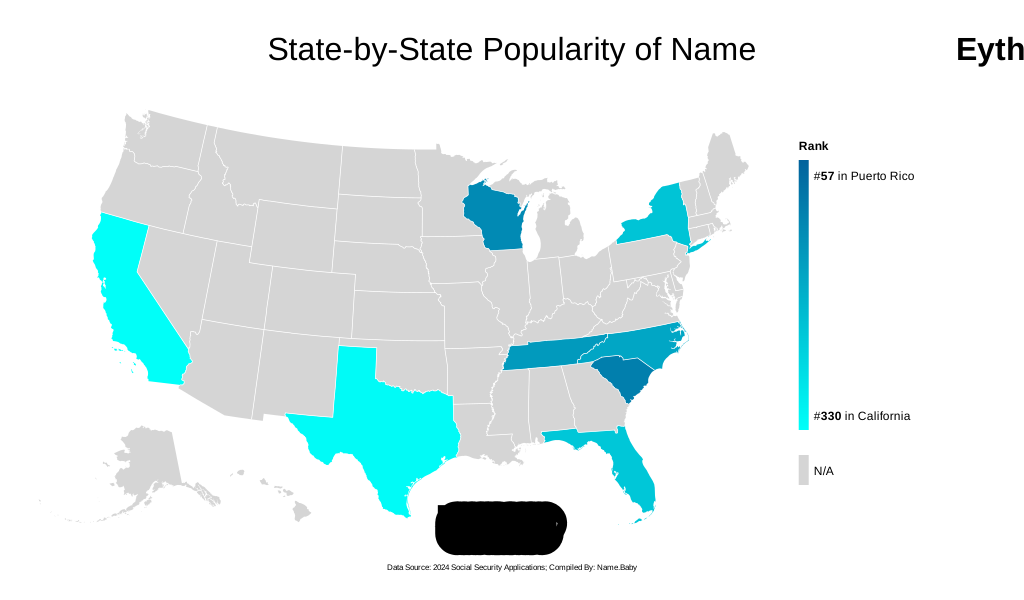
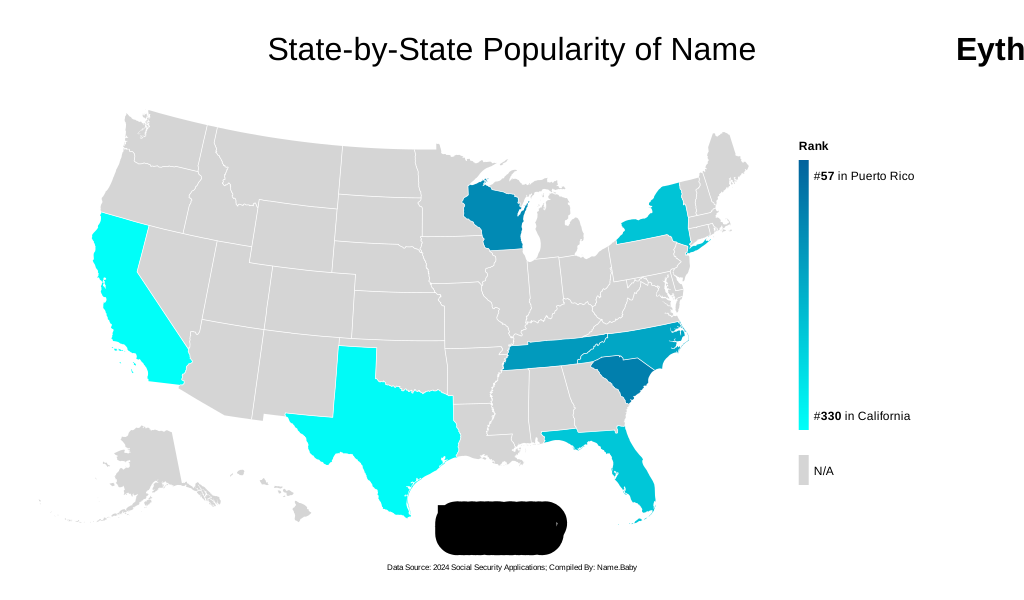
States Popularity Chart