Hoorain
Meaning of Hoorain
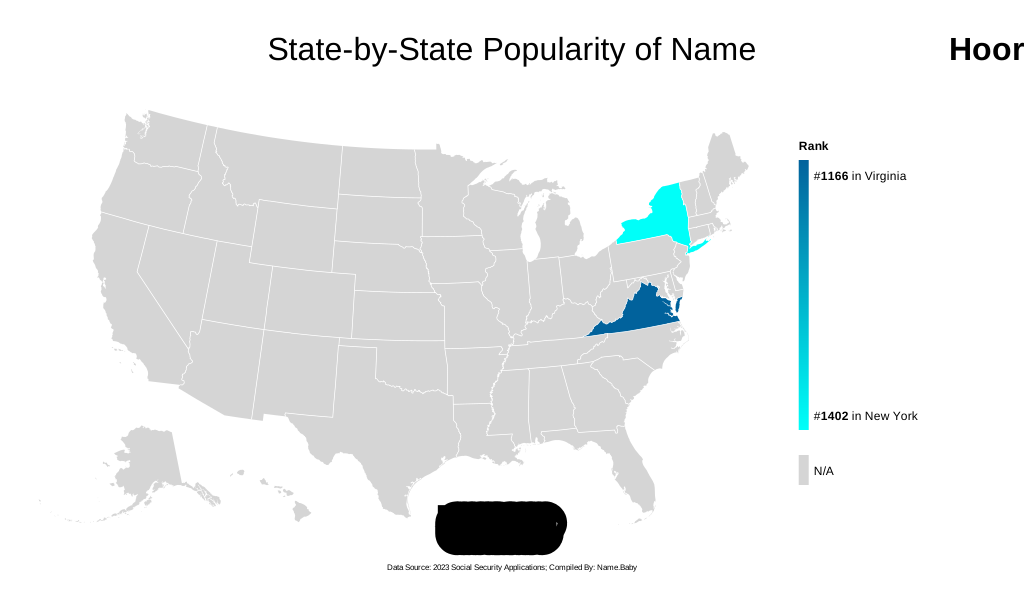
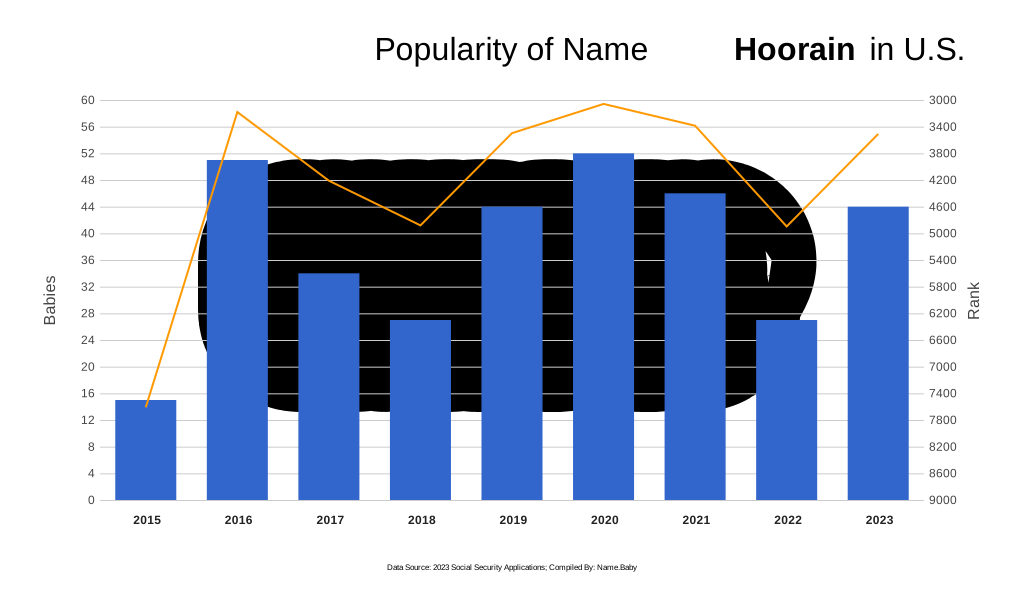
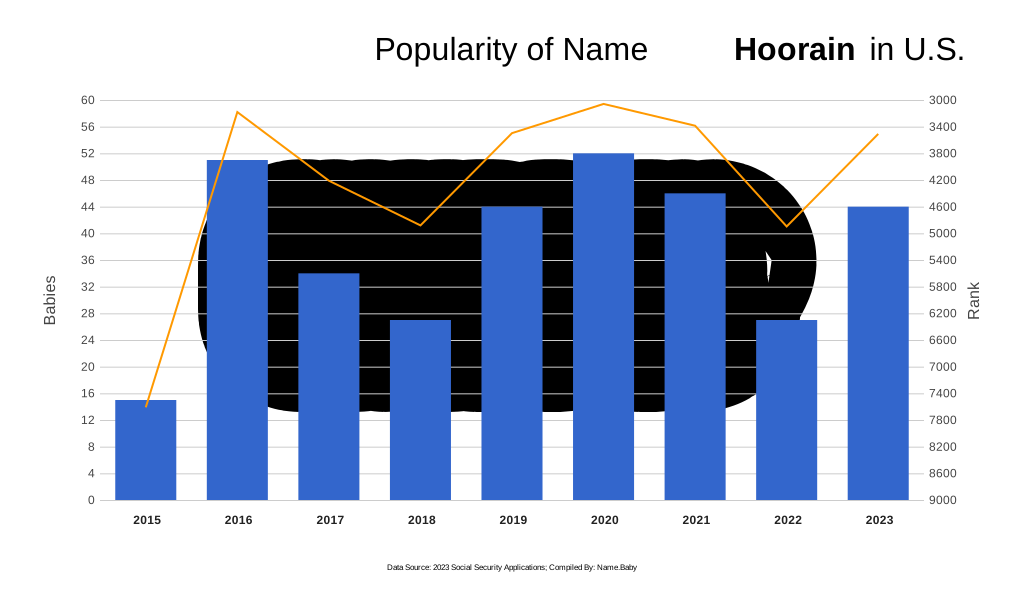
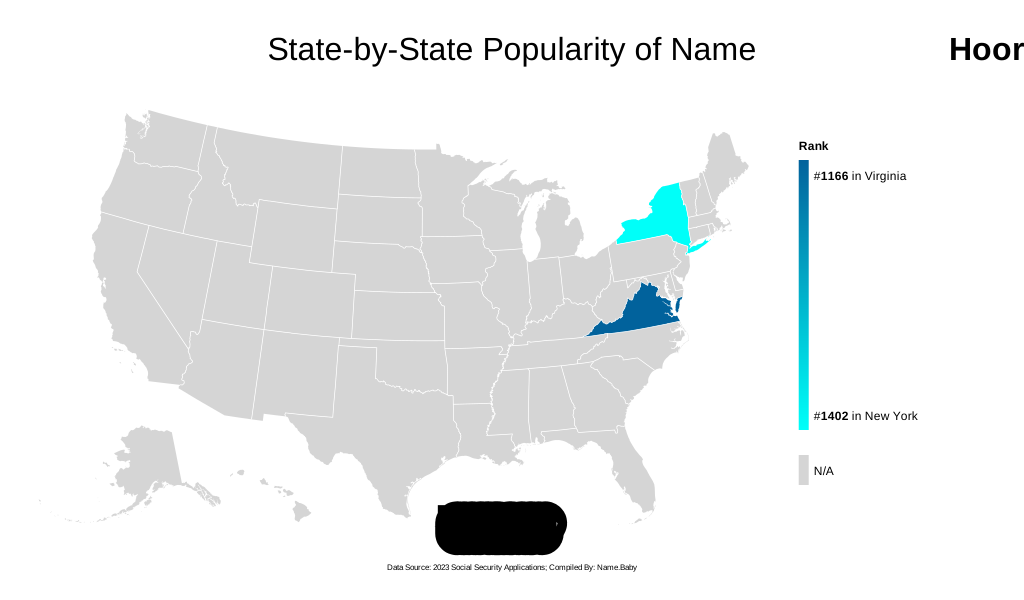
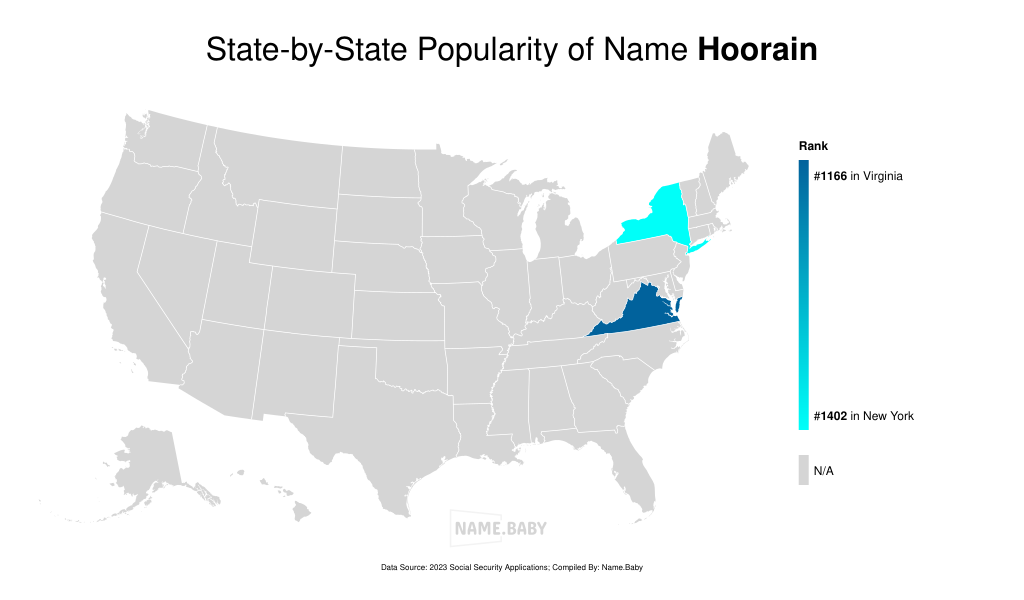
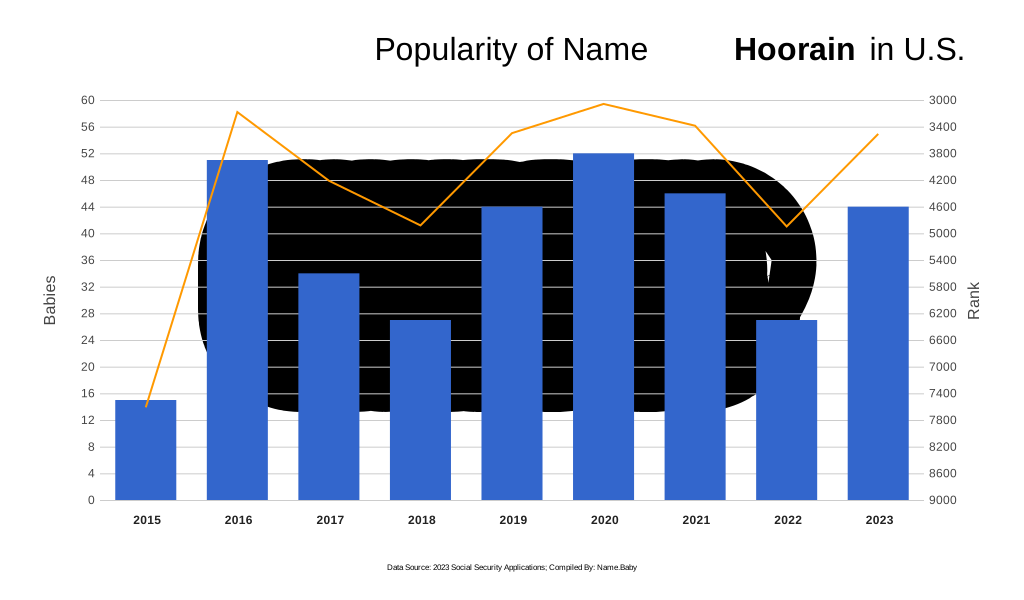
In its etymological core, Hoorain traces back to the Arabic ḥuriyyāt, the radiant maidens of paradise immortalized in classical Qur’anic passages; its phonological profile—hoo-RAYN (/huˈreɪn/)—imparts a sonorous elegance, appealing to those who seek both cultural depth and melodic harmony. A decade-long survey of U.S. newborn data from 2015 to 2024 illustrates a stable yet modest adoption, with annual tallies ranging between 15 and 52 instances and national rankings confined to the 939–900 interval, culminating in a 2024 placement at 914. Such consistency indicates Hoorain’s gradual assimilation into the American onomastic corpus, serving as a linguistic puente that links Arabic heritage with contemporary naming conventions—a dynamic especially resonant within comunidades latinas drawn to its mezcla of celestial imagery and phonetic sophistication. More than a mere appellation, Hoorain embodies an evolving narrative of diasporic identity, exemplifying how modern parents fuse ancestral allusion and transcultural resonance in the quest to bestow names of enduring allure.
Pronunciation
Arabic
- Pronunced as hoo-RAYN (/huˈreɪn/)
U.S. Popularity Chart
States Popularity Chart