Ihan
Meaning of Ihan
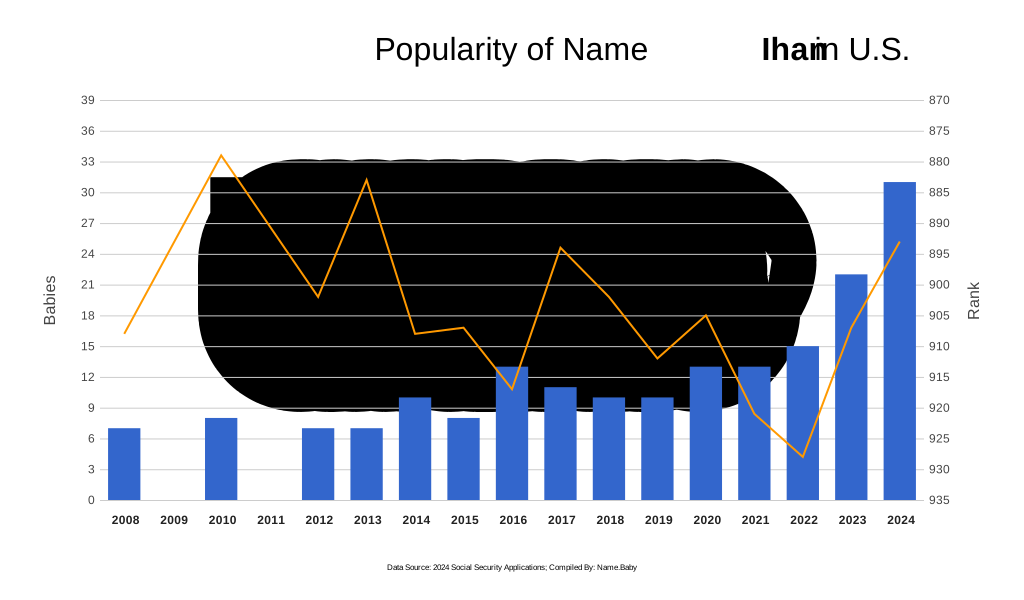
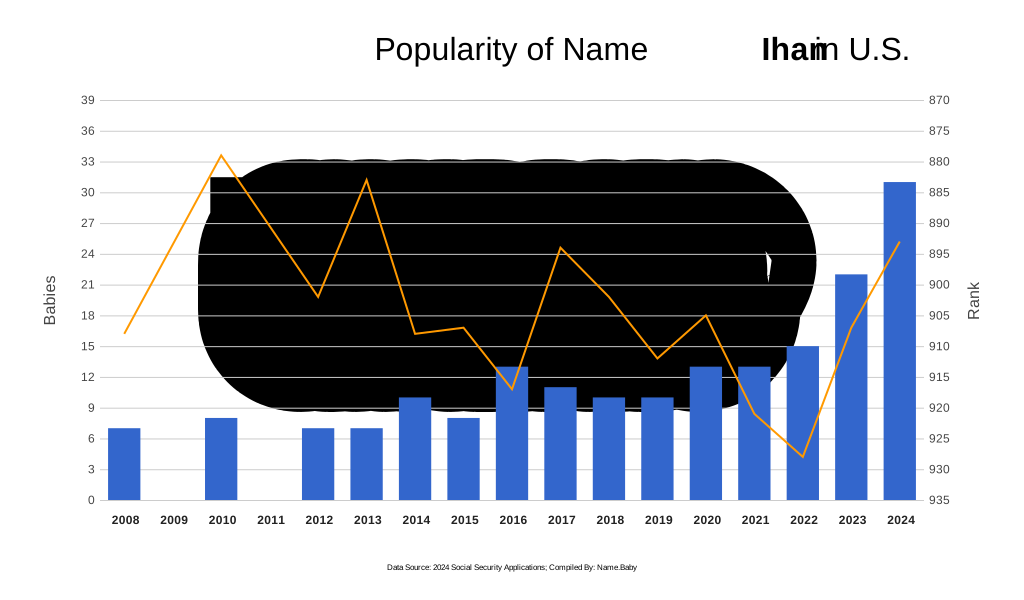
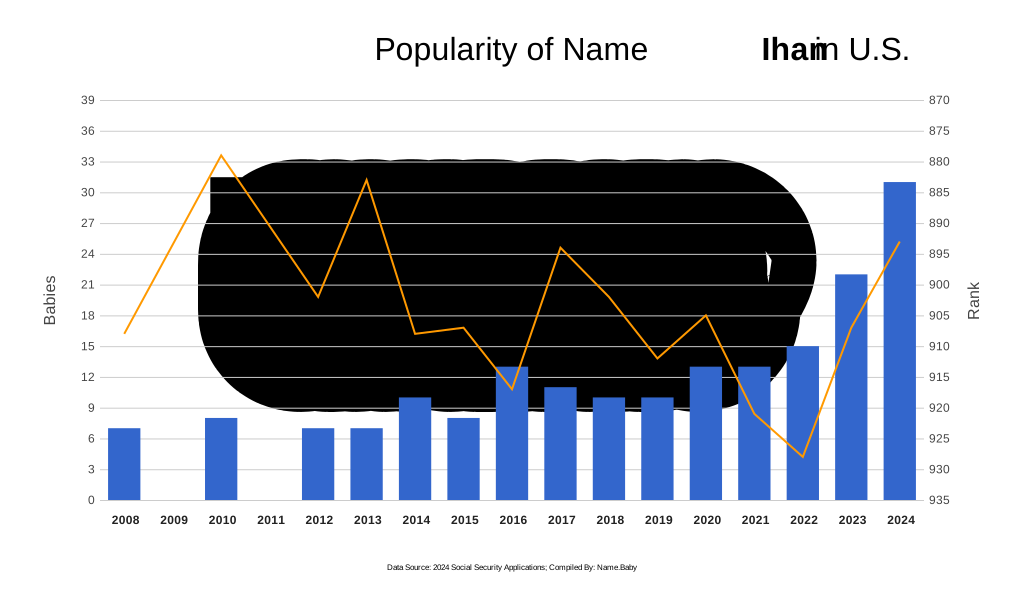
In the storied tapestry of Latin onomastic traditions, Ihan emerges as a luminous strand woven from an interlace of ancient echoes and modern aspirations, its pronunciation—ee-HAHN—evoking the gentle susurrus of Mediterranean zephyrs caressing sunlit coastlines. Though its precise provenance remains shrouded in scholarly discourse, Ihan is frequently associated with Semitic roots connoting “gift” or “grace,” a semantic heritage that resonates with enduring values of generosity and poise. Over the past two decades, this succinct yet sonorous appellation has charted a gradual ascension in the United States, rising from single-digit occurrences in the late 2000s to thirty-one newborns in 2024 and maintaining a steadfast presence within the eight-hundred to nine-hundred ranking tier. As a masculine designation, it encapsulates a quiet fortitude, its crisp phonetic architecture belying a depth of cultural and linguistic interplay—bridging Iberian vowel cadences with universal yearnings for distinction. In the context of contemporary naming practices, Ihan stands as an exemplar of refined brevity, a name that, like a polished prism, refracts diverse heritages into a singular, resonant identity.
Pronunciation
- Pronunced as ee-HAHN (/iˈhɑn/)
U.S. Popularity Chart