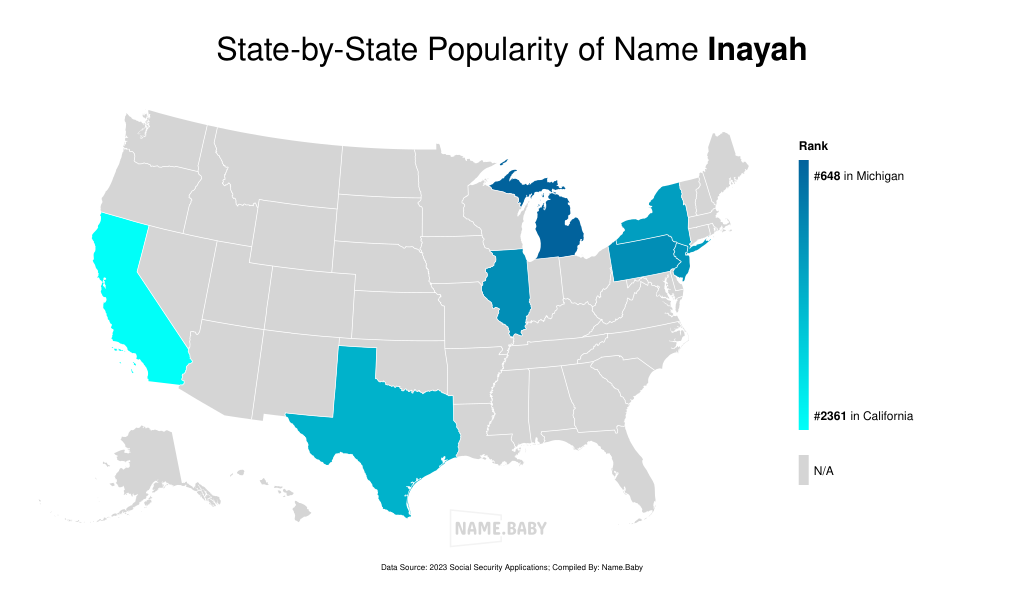
Inayah
Meaning of Inayah
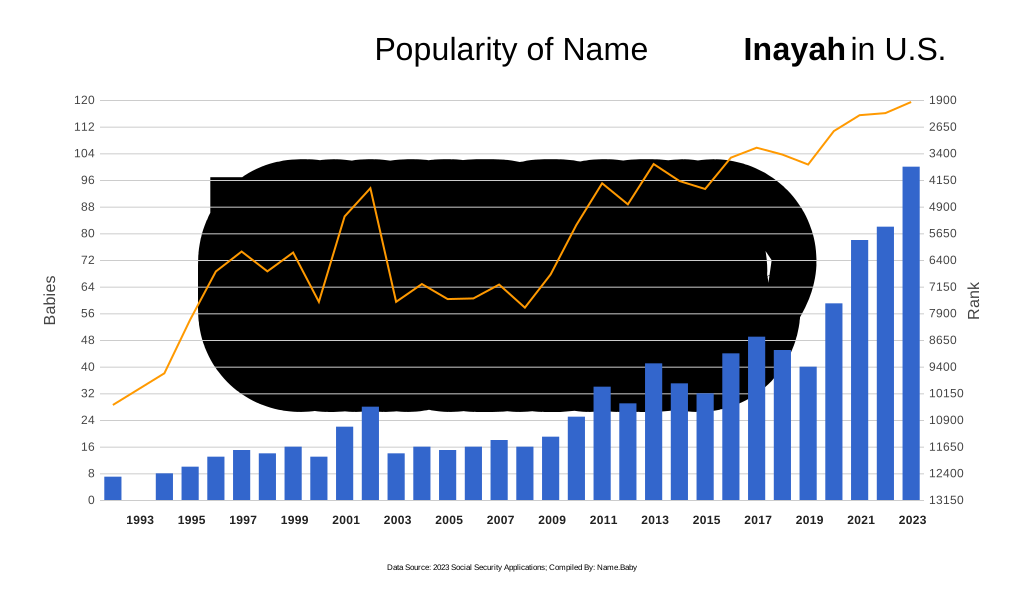
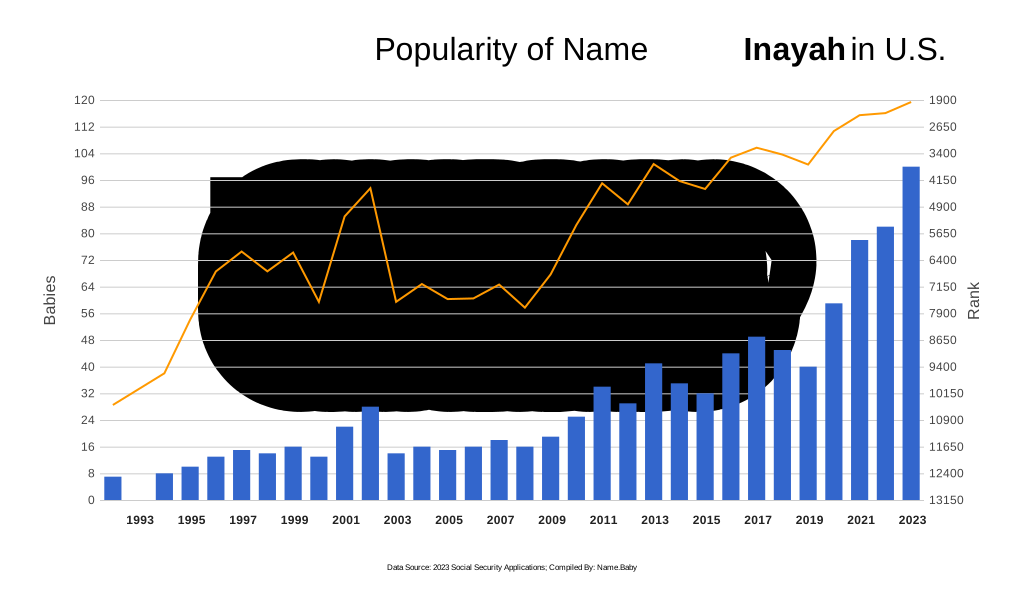
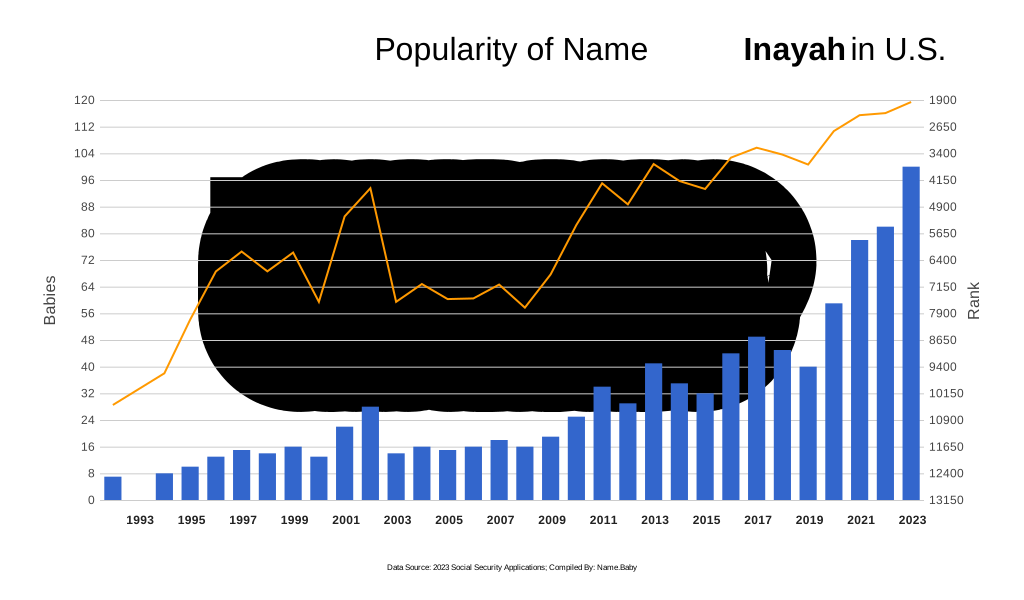
Inayah, an elegant feminine appellation distilled from the Arabic ʿināyah, whispers of “care, protection, and divine solicitude,” a semantic cluster that mirrors the Latin concept of cura and, by gentle extension, the Roman virtue of caritas; thus the name stands, figuratively, as a silken parasol unfurled against life’s harsher suns. Scholars note that its phonetic cadence—ɪn.aɪ.jə—slides off the tongue with the same deliberate grace that Saint Augustine once attributed to sapientia, while data-minded pragmatists observe that in the United States it has ascended the Social Security charts from an unobtrusive 949th in the late 1990s to a quietly confident 824th in 2024, advancing with the unhurried assurance of a peregrine mastering thermals. Dry humor aside, such statistics merely quantify what countless parents intuitively perceive: Inayah invokes an almost talismanic promise of guardianship, as though each letter were a mosaic tessera catching the sun of maternal hope. Culturally, the name resonates in Qurʾānic exegesis where divine “inayah” signifies God’s meticulous watchfulness, yet it also harmonizes with Latin American naming rhythms—think of the lull in a bolero where “Inayah” might linger like a held note—thereby bridging East and West with a single breath. In sum, bestowing Inayah is less the selection of a label than the conferral of an ancestral blessing, a votive candle lit in the vestibule of possibility.
Pronunciation
Arabic
- Pronunced as in-AI-yah (/ɪn.aɪ.jə/)
U.S. Popularity Chart
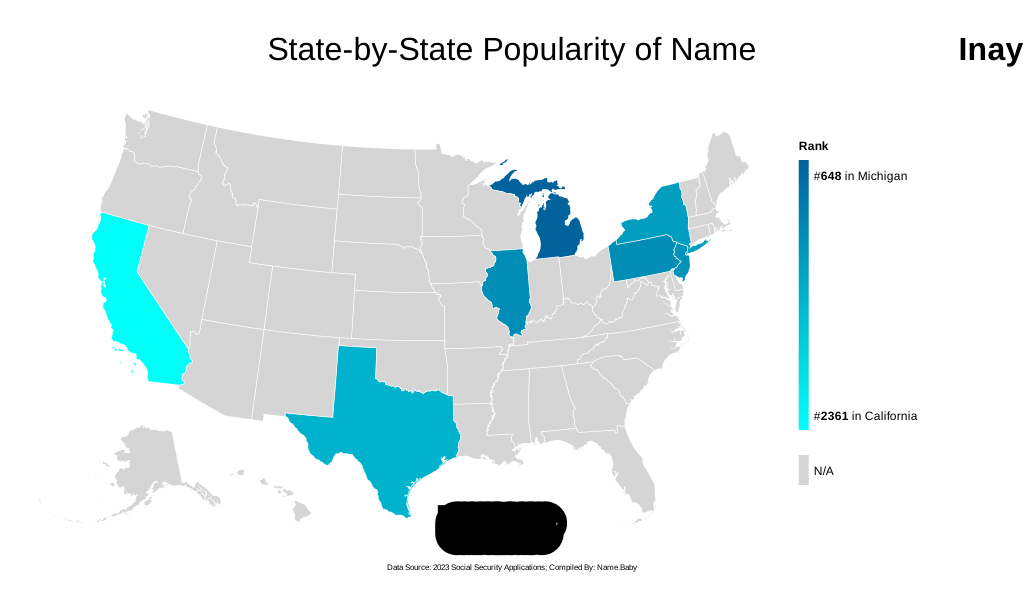
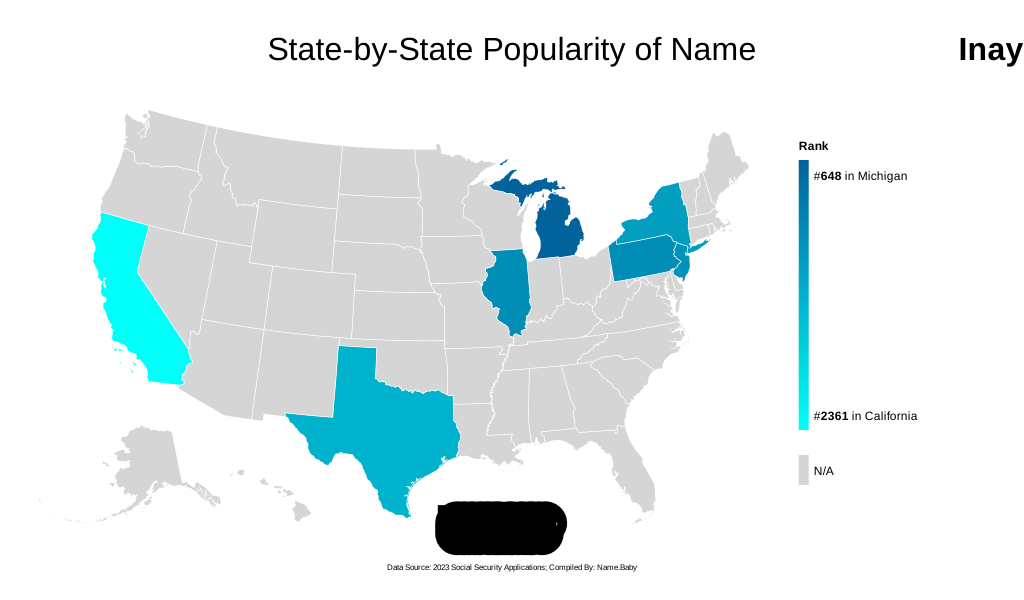
States Popularity Chart