Indica
Meaning of Indica
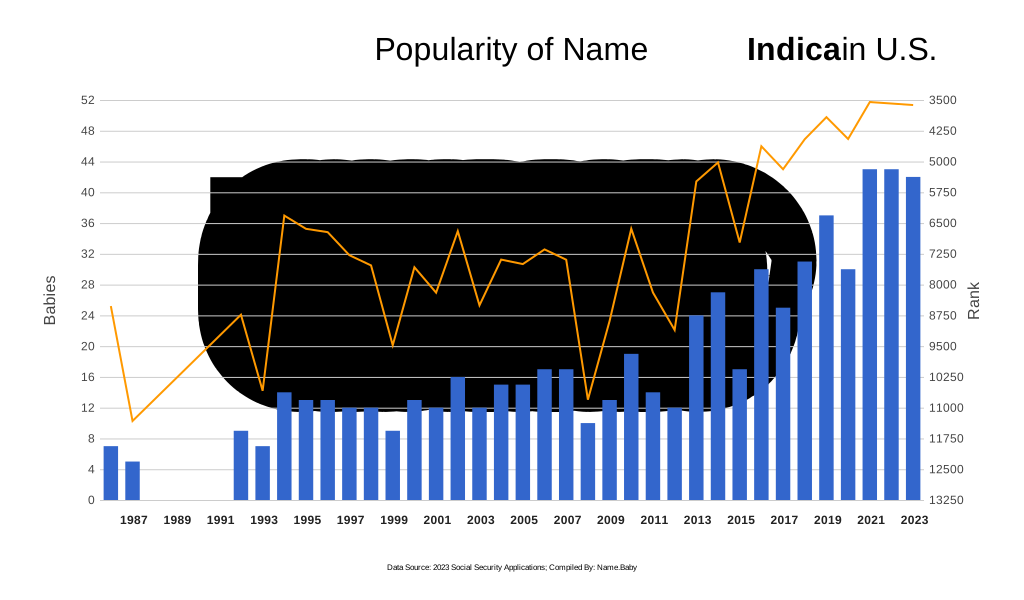
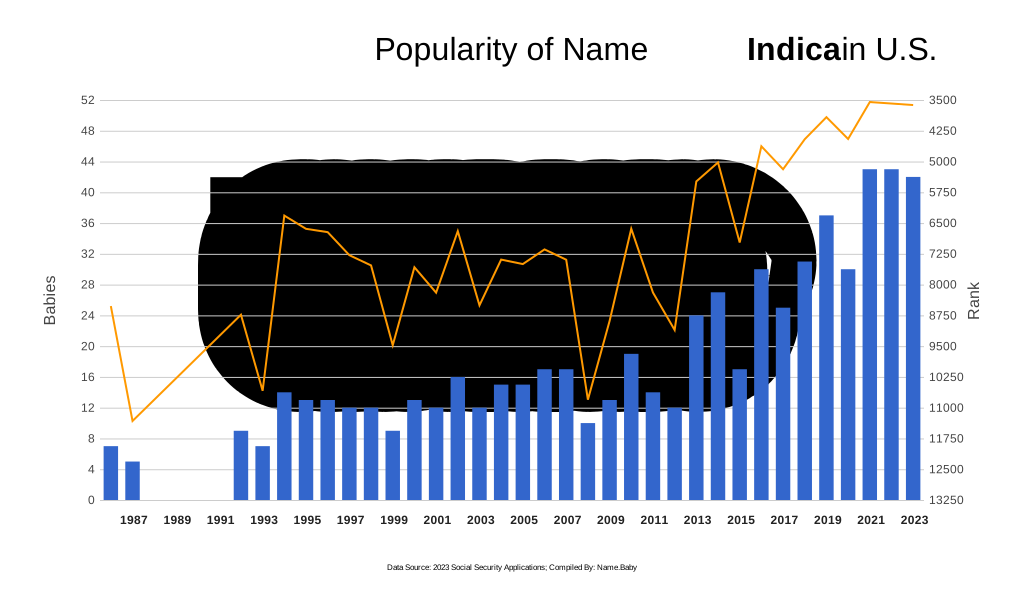
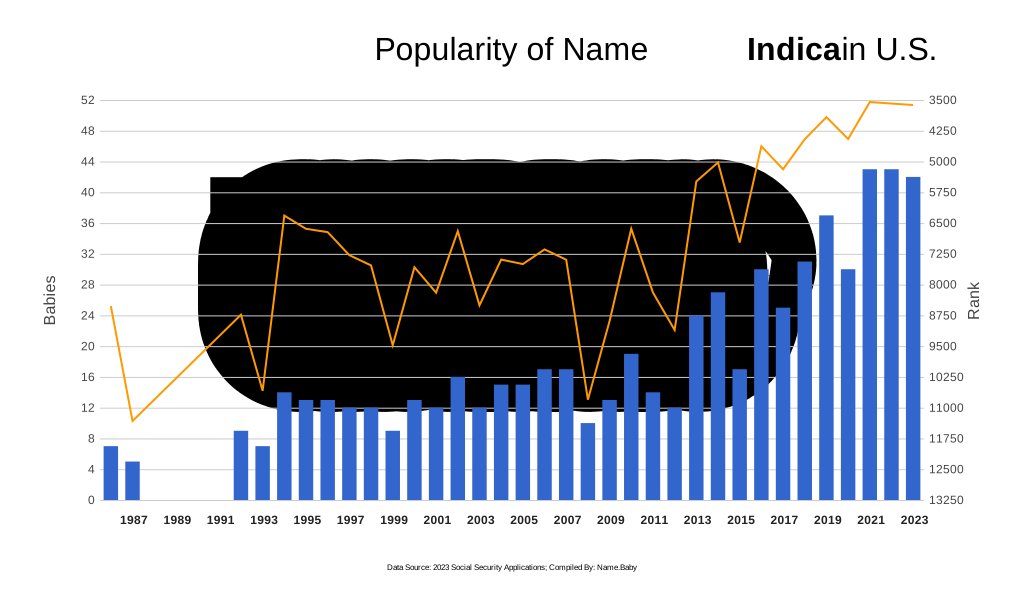
Pronounced in-DEE-kuh (/ɪnˈdi.kə/), Indica traces its roots to the Latin adjective indicus, literally signifying “of India,” a designation that conjures the storied spice caravans and cultural crosscurrents of antiquity. Its presence in U.S. naming data—beginning with a mere five occurrences in 1987, ascending incrementally to peaks of forty-three in 2021 and 2022, then moderating to thirty-three in 2024 around the nine-hundredth rank—suggests a subtle yet steady allure, reflective of a parental preference for names balancing exotic provenance with scholarly poise. Beyond its geographic etymology, Indica also evokes botanical and scientific resonance through its association with certain plant taxa, weaving a textured tapestry of natural heritage and intellectual inquiry. Phonetically, the name’s balanced structure—an initial unstressed syllable succeeded by a resonant, open vowel—yields a cadence both approachable and distinctive, securing its place as a choice that harmonizes deep historical roots with contemporary refinement.
Pronunciation
American English
- Pronunced as in-DEE-kuh (/ɪnˈdi.kə/)
U.S. Popularity Chart
Notable People Named Indica
| Indica Watson - |
