Isaura
Meaning of Isaura
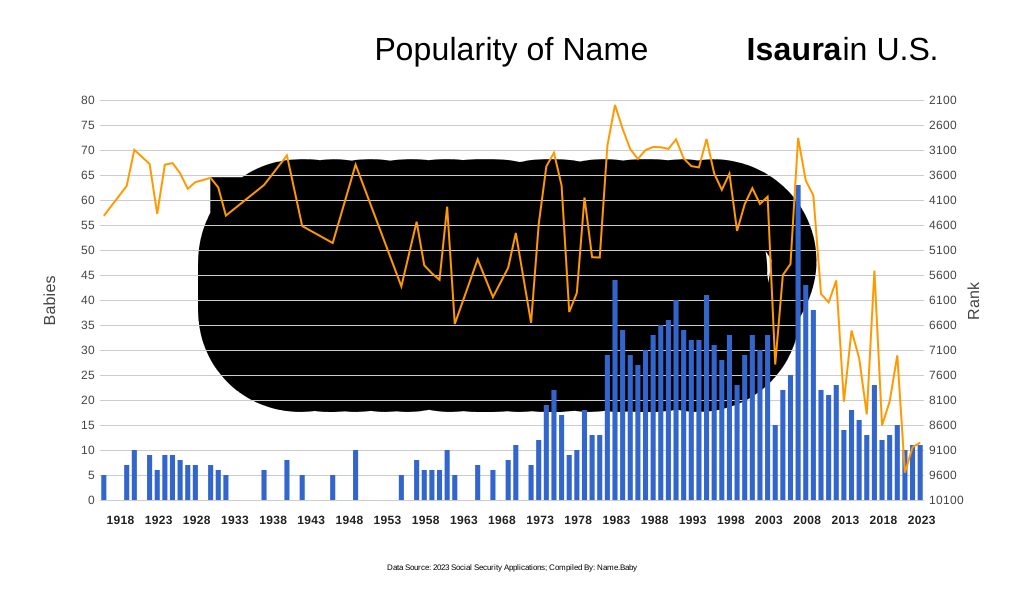
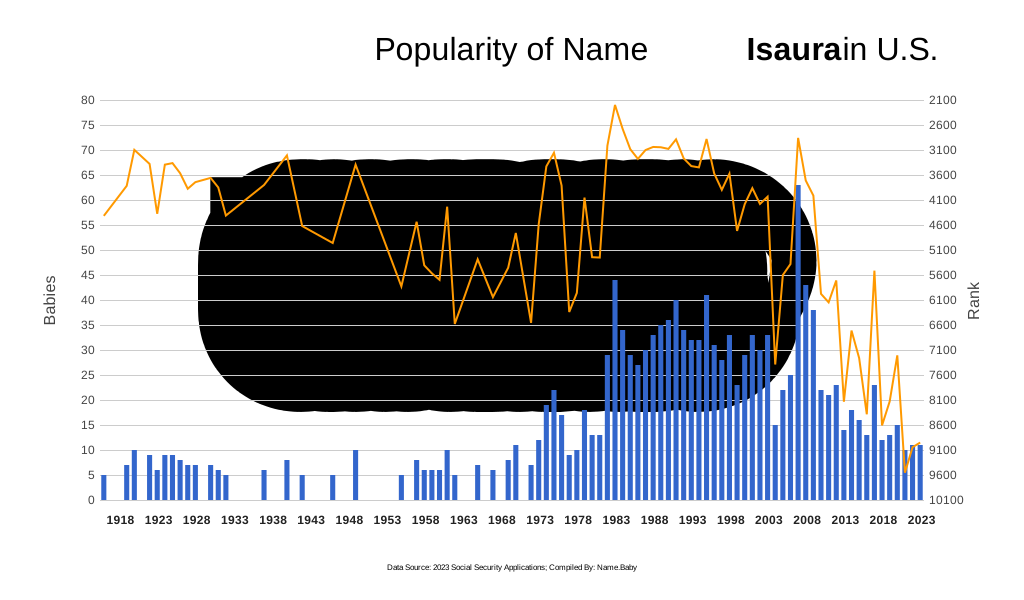
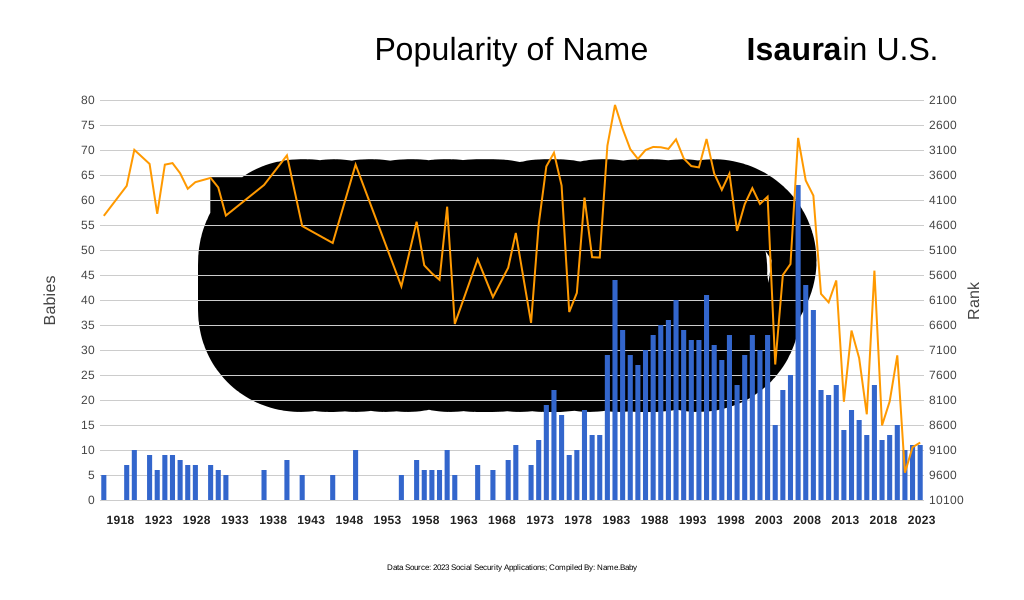
Isaura is a feminine given name of ancient Greek origin, deriving from the toponym Isauria—a rugged region of Anatolia noted in classical antiquity for its fiercely independent inhabitants—and thus etymologically signifying “woman from Isauria.” In Spanish it is pronounced /iˈsowra/, while in English contexts—both American and British—it is most often rendered /aɪˈsɔːrə/, reflecting its phonological adaptation across linguistic traditions. Historically, the name surfaces in early Christian hagiography and later assumes a more literary dimension in Iberian and Lusophone nineteenth-century fiction, where it conveys both regional specificity and an air of cultivated distinction. In the United States, Social Security Administration data indicate that Isaura has maintained a steady, if modest, presence throughout the twentieth and early twenty-first centuries, with annual occurrences generally ranging from five to forty-five and a ranking near the nine-hundredth position—in 2024, 15 newborn girls bore the name, placing it at number 935—thereby underscoring its enduring appeal to parents seeking a historically resonant yet uncommon choice within an Anglo-American naming framework.
Pronunciation
Spanish
- Pronunced as ee-SOW-rah (/iˈsowra/)
American English
- Pronunced as eye-SAW-ruh (/aɪˈsɒrə/)
British English
- Pronunced as eye-SAW-ruh (/aɪˈsɔːrə/)
U.S. Popularity Chart
Notable People Named Isaura
| Isaura - |
