Izalia
Meaning of Izalia
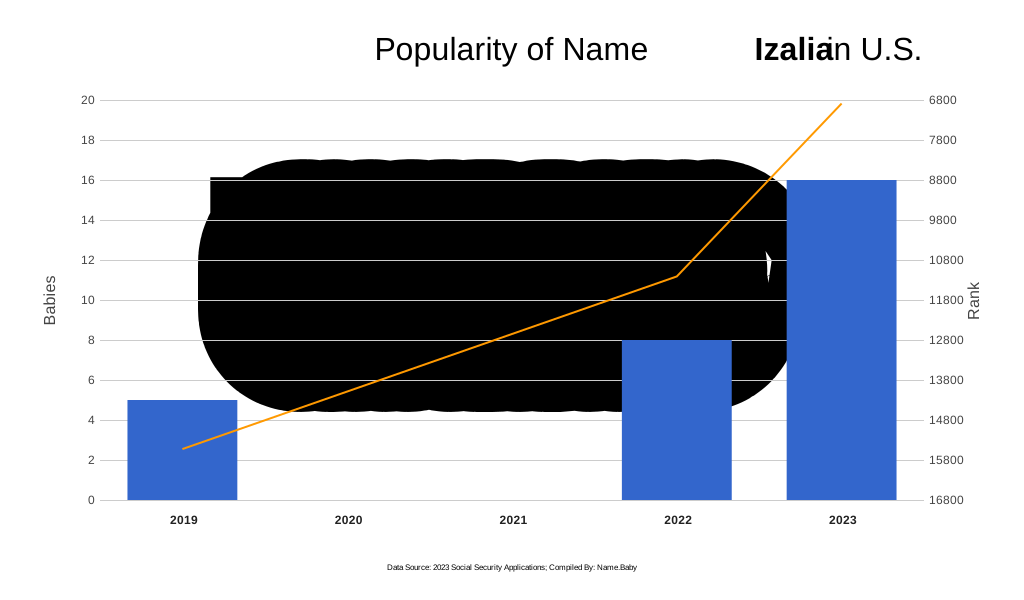
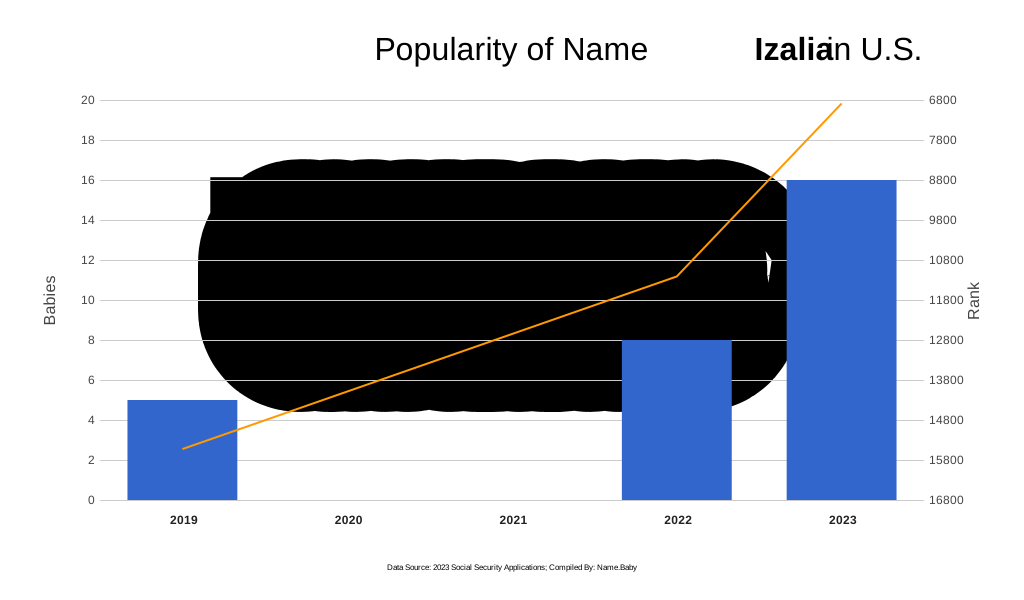
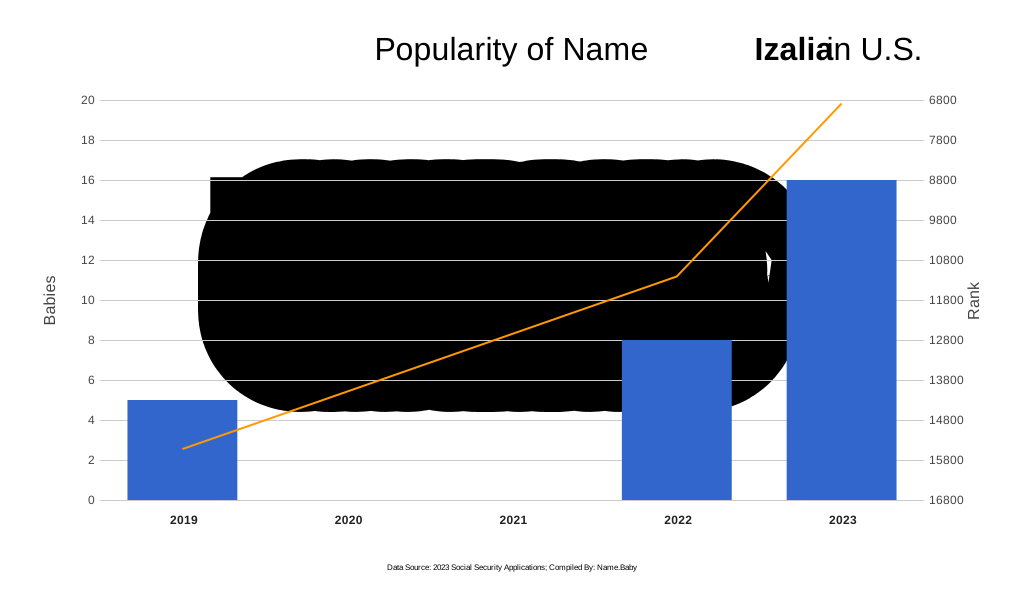
Izalia, pronounced ih-ZAYL-yuh (/ɪˈzeɪljə/), emerges from the confluence of the Hebrew element “Isa” (pledged to God) and the Latin suffix “-lia” (evoking lilium, the lily), yielding a neoclassical fusion that marries theological resonance with botanical elegance. Cloaked in dual associations of sacred promise and blossoming purity, the name unfolds like a dew-kissed petal at dawn—each utterance a soft benediction whispered through verdant groves. According to U.S. Social Security Administration figures, Izalia has maintained a delicate presence in the lower 900s—ranked 936 in 2022 and 942 in both 2023 (sixteen occurrences) and 2024 (eight occurrences) after tracing a gentle arc from five births in 2019—an odyssey that bespeaks both its resilience and its niche allure. In an age that prizes individuality, Izalia’s scarcity confers an almost aristocratic exclusivity—though one might wryly observe that the club of namesakes struggles to convene more than a small coterie—making it an ideal choice for parents who seek a name at once academically grounded, warmly Latin-inflected, and exquisitely rare.
Pronunciation
- Pronunced as ih-ZAYL-yuh (/ɪˈzeɪljə/)
U.S. Popularity Chart