Jalani
Meaning of Jalani
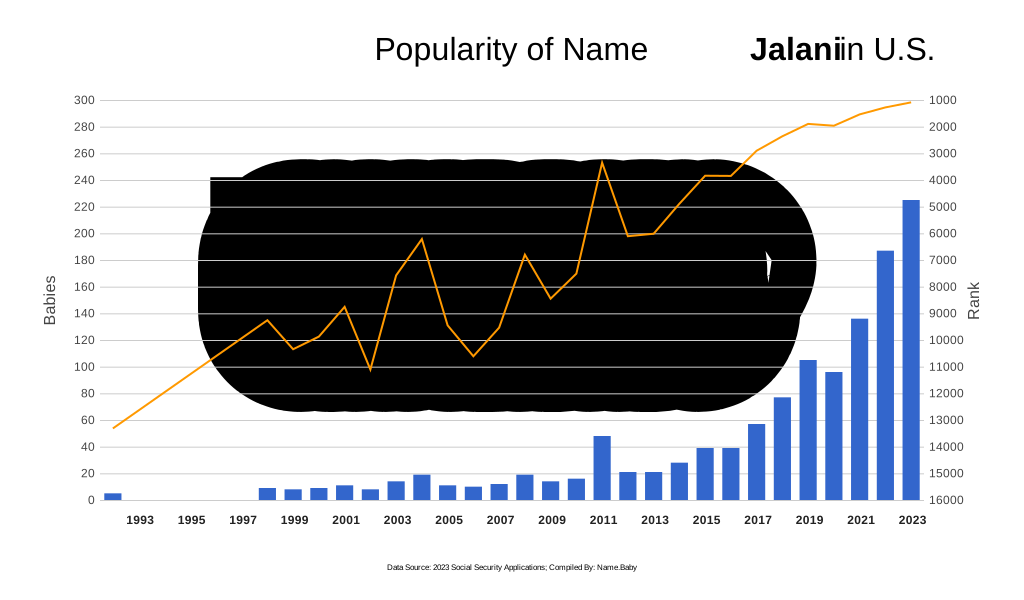
Jalani, pronounced jah-LAH-nee, drifts from Swahili shores where its root, jelani, murmurs of “great strength,” yet it wanders lightly enough to evoke, in a Kyoto evening, the hush of wind through bamboo, hinting that power need not raise its voice; she is the sort of name that would rather align water-smooth stones along a koi pond than trumpet on a crowded stage. In recent American records she has climbed, unhurried and unbothered—appearing as a handful of notes in the late-1990s, then cresting to nearly two hundred newborns in 2024—confirming that cultural curiosity travels at its own pace, like a slow train tracing mist-soaked pines. Associations gather to her the way twilight gathers cranes: resilience, quiet leadership, and, for the linguistically playful, an Indonesian echo meaning “to journey,” which reads almost like an instruction manual written in invisible ink. Those who choose Jalani are, perhaps, drawn to that subtle paradox—strength rendered in a minor key—and to the sly assurance that, while she remains uncommon enough to keep introductions interesting, she is rooted firmly in a history older and broader than any baby-name chart can capture.
Pronunciation
American English,Swahili
- Pronunced as jah-LAH-nee (/dʒɑˈlɑni/)
U.S. Popularity Chart
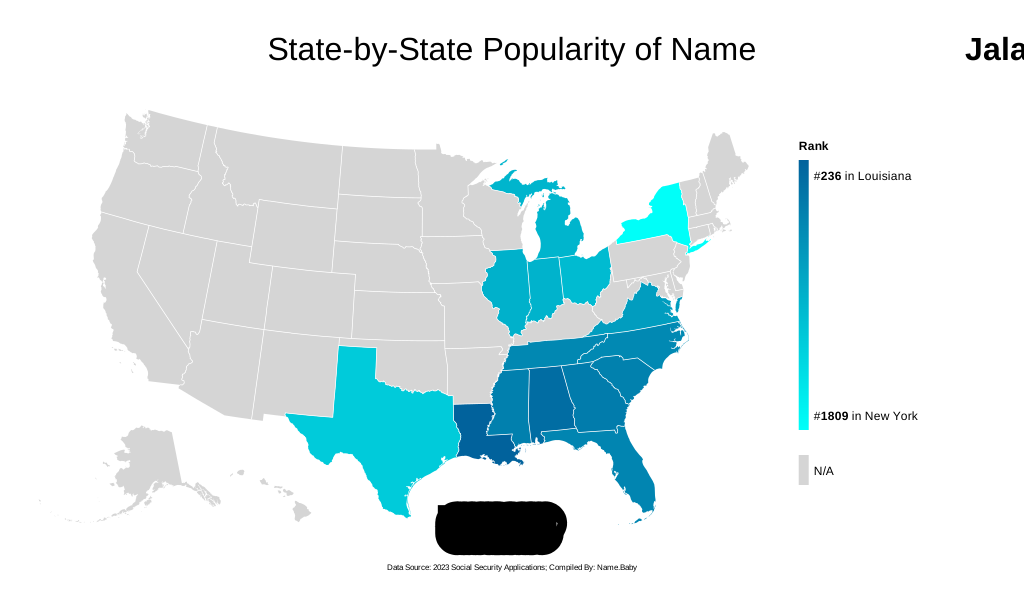
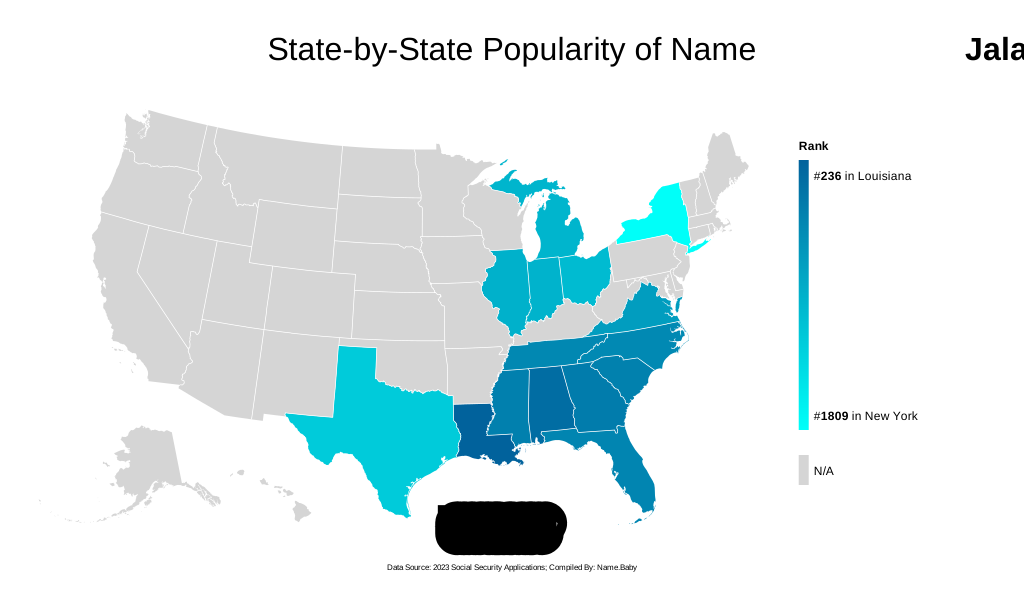
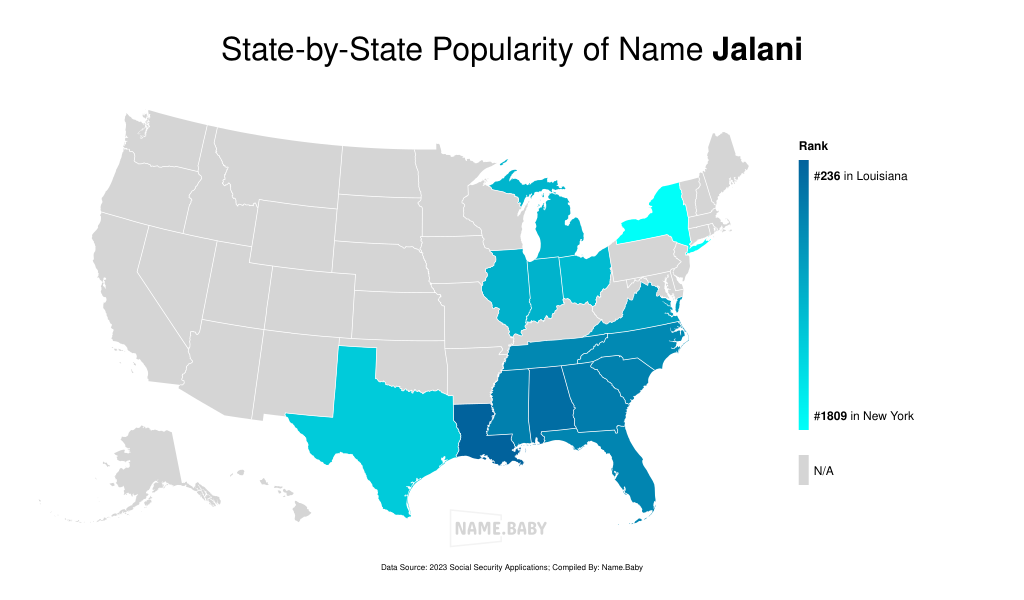
States Popularity Chart
Notable People Named Jalani
| Mohamed Jalani Mohd Sidek is a Malaysian badminton player turned coach. |
