Jentry
Meaning of Jentry
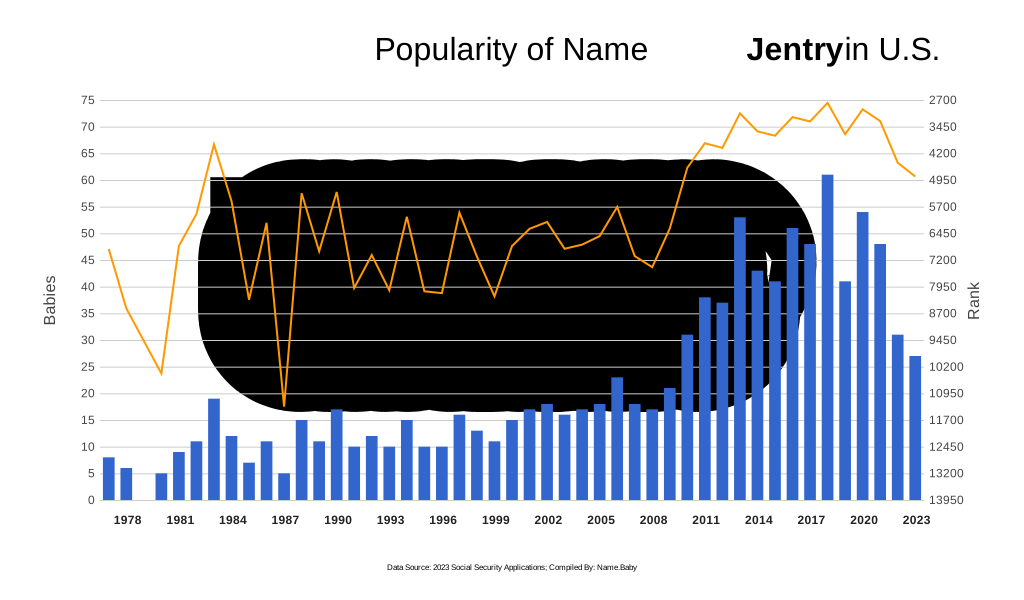
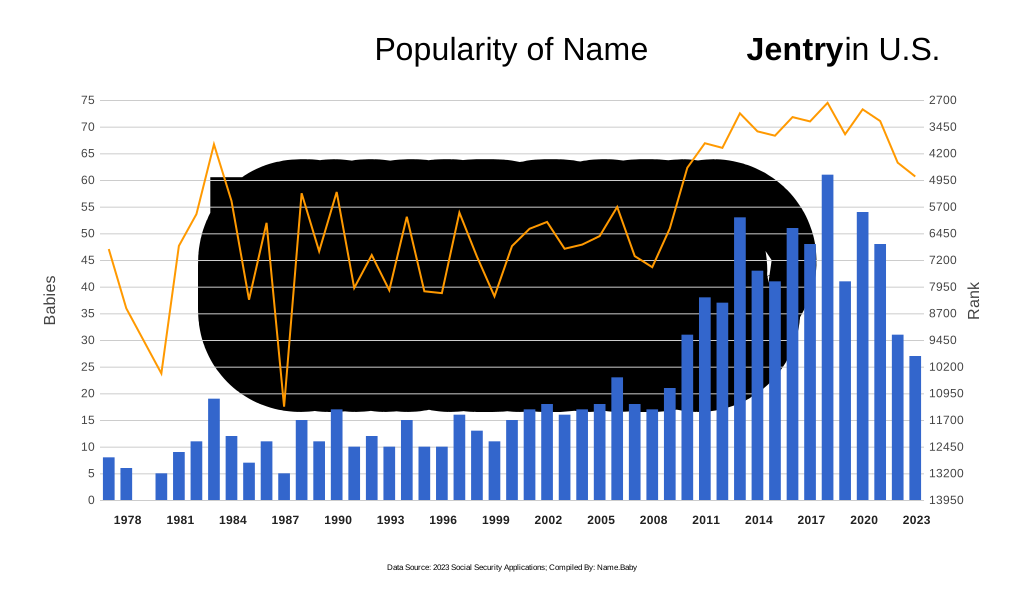
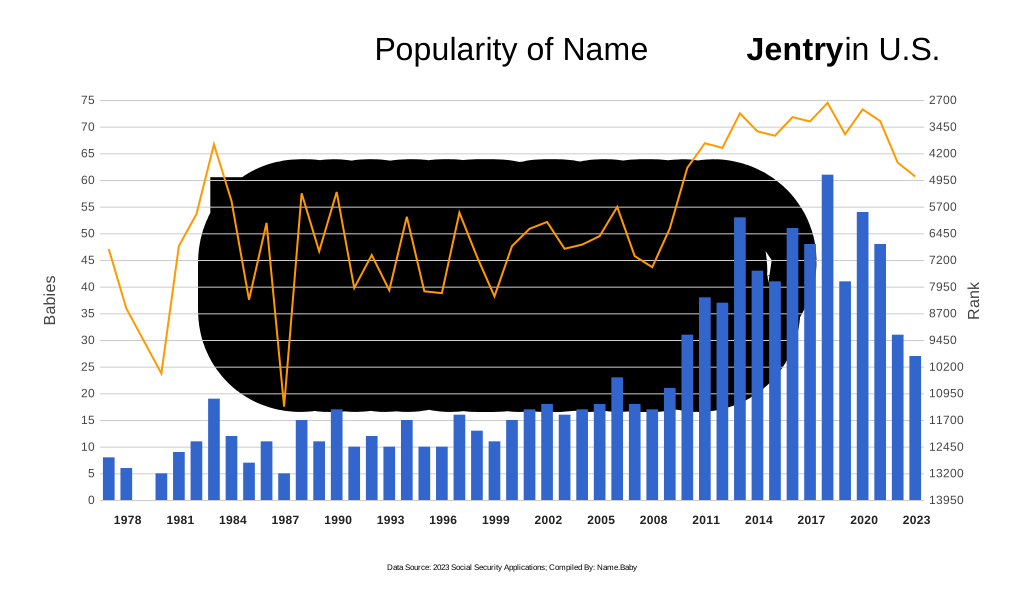
Jentry, a streamlined re-spelling of the English surname-turned-given-name Gentry, ultimately descends from the Latin noun gens, through the Old French genterie, and once denoted membership in a noble “clan” distinguished more by courtesy than by coronets; in contemporary onomastics it has migrated from the heraldic margins to the nursery, functioning as a truly unisex appellation. Pronounced JEN-tree, the name marries a brisk, modern phonetic profile with a semantic legacy of gentility, so that, figuratively speaking, it moves through social registers “as a silken standard catching an urbane breeze.” Demographic evidence supports its quiet resilience: although it has never stormed the upper tiers of the U.S. charts, Jentry has maintained a modest but consistent presence since the late 1970s, oscillating between the mid-700s and mid-900s in rank and thereby signaling a preference among parents for a rarity that remains recognizable. Cultural associations often lean toward notions of Southern grace and egalitarian poise—qualities that render the name adaptable across genders, regions, and life stages—yet its classical etymology anchors it within a longer humanistic tradition in which lineage is celebrated not for privilege but for communal belonging.
Pronunciation
American English
- Pronunced as JEN-tree (/ˈdʒɛntri/)
U.S. Popularity Chart