Juliano
Meaning of Juliano
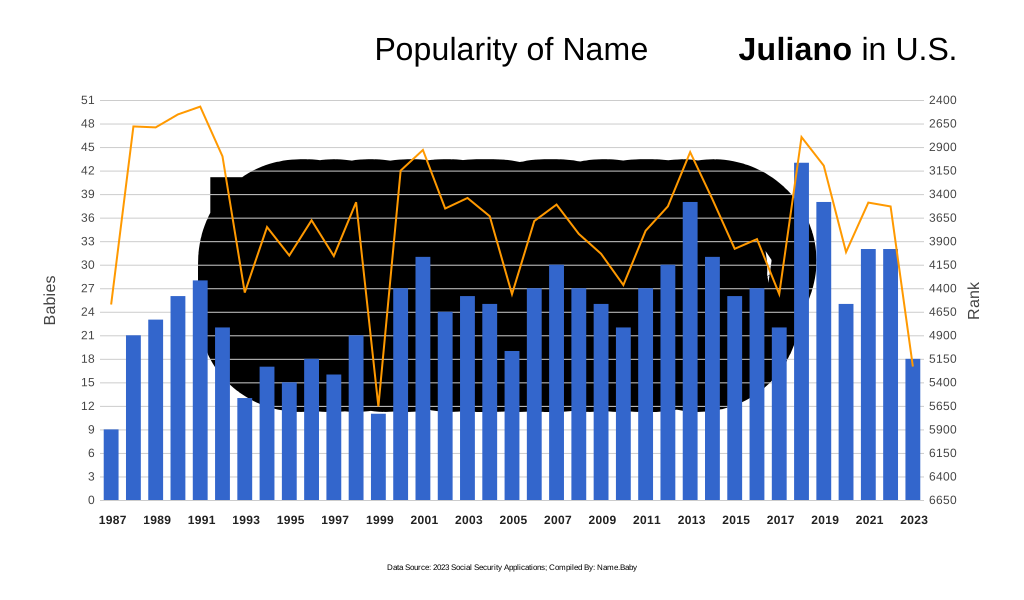
Juliano, a masculine Italian given name, originates from the Latin nomen Julianus—etymologically linked to Julius, which conveys the sense “youthful” or “downy-haired”—and is characterized by the Italian orthographic convention of a terminal –o suffix denoting masculine gender. Phonologically, it retains the palatal lateral approximant and alveolar nasal sequence of its source language, realized as joo-LYAH-noh (/dʒuˈlja.no/), a pronunciation that distinguishes it from its Anglicized cognate, Julian, which omits the final vowel and shifts stress. Historically, Julianus was borne by Roman elites and early Christian martyrs, imbuing the name with both imperial and ecclesiastical prestige; in contemporary Anglo-American usage, Juliano functions as a direct lexical borrowing and a distinctive alternative to more prevalent variants. United States Social Security data over the past three decades record annual occurrences in the high tens to low forties, with national rankings consistently in the high eight hundreds, underscoring its status as an uncommon yet recognizable choice. Semantic associations with classical heritage, youthful vitality, and cross-cultural adaptability render Juliano a technically precise option for parents seeking a name that bridges historical depth and modern resonance.
Pronunciation
Italian
- Pronunced as joo-LYAH-noh (/dʒuˈlja.no/)
U.S. Popularity Chart
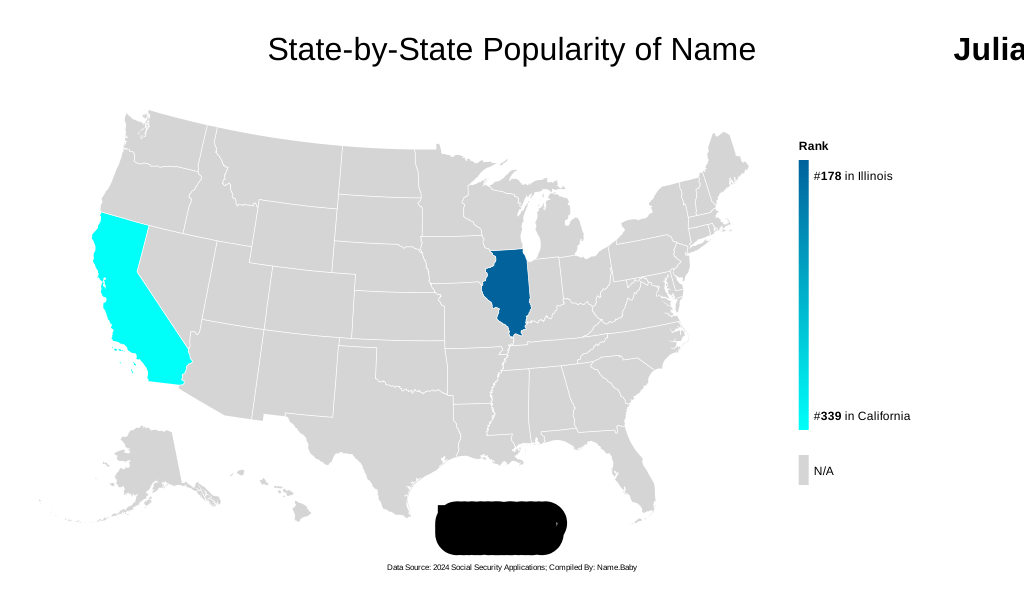
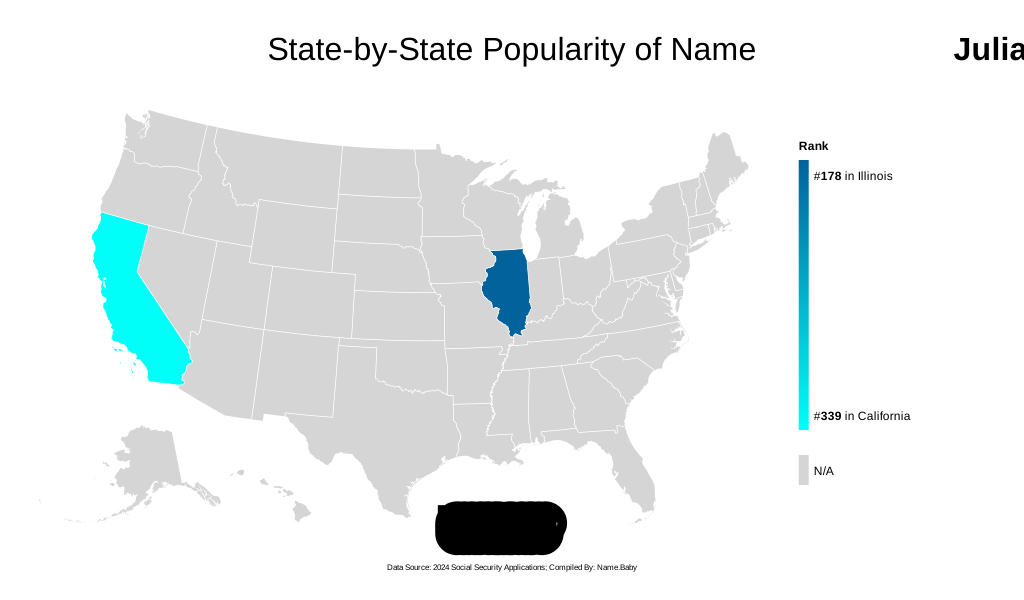
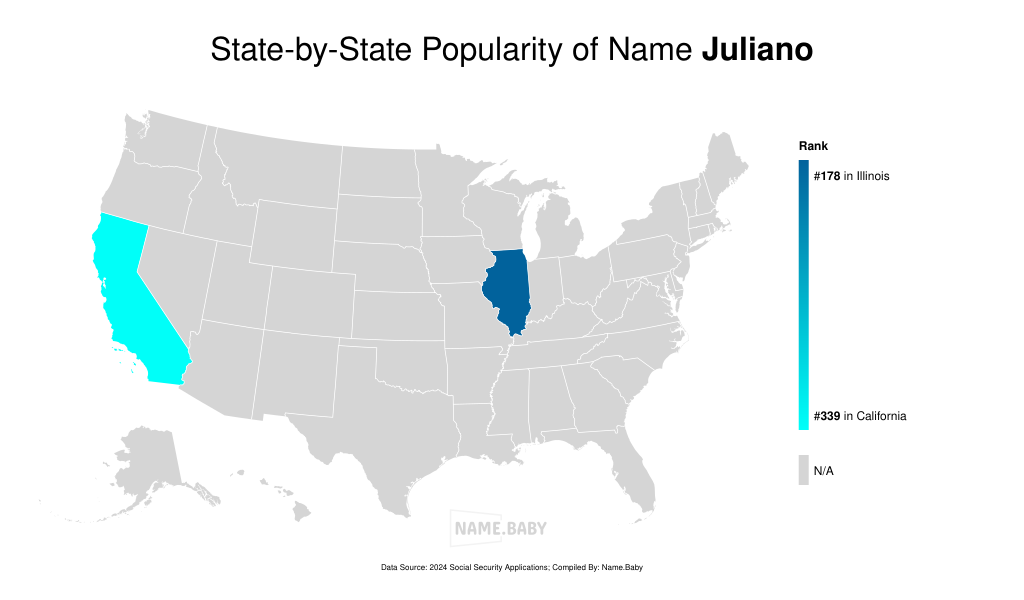
States Popularity Chart
Notable People Named Juliano
| Juliano Belletti - |
| Juliano Cazarré - |
| Juliano Ribeiro Salgado - |
