Kevontae
Meaning of Kevontae
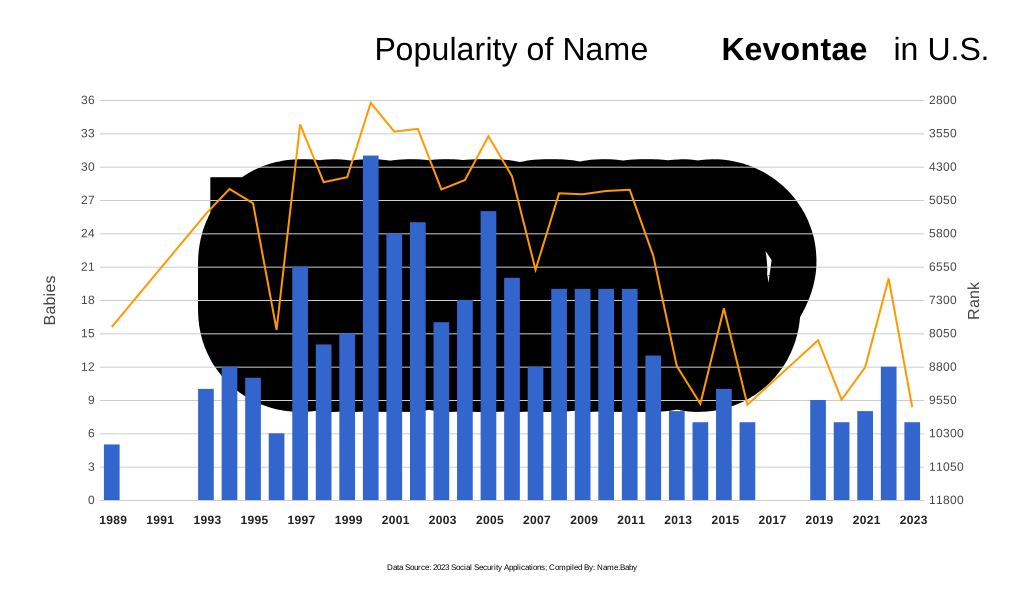
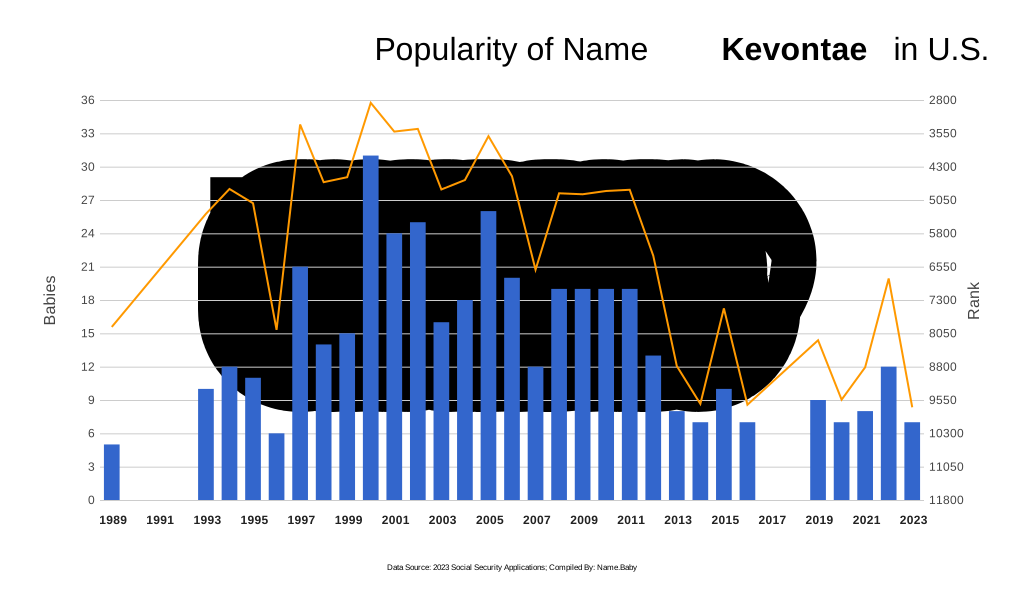
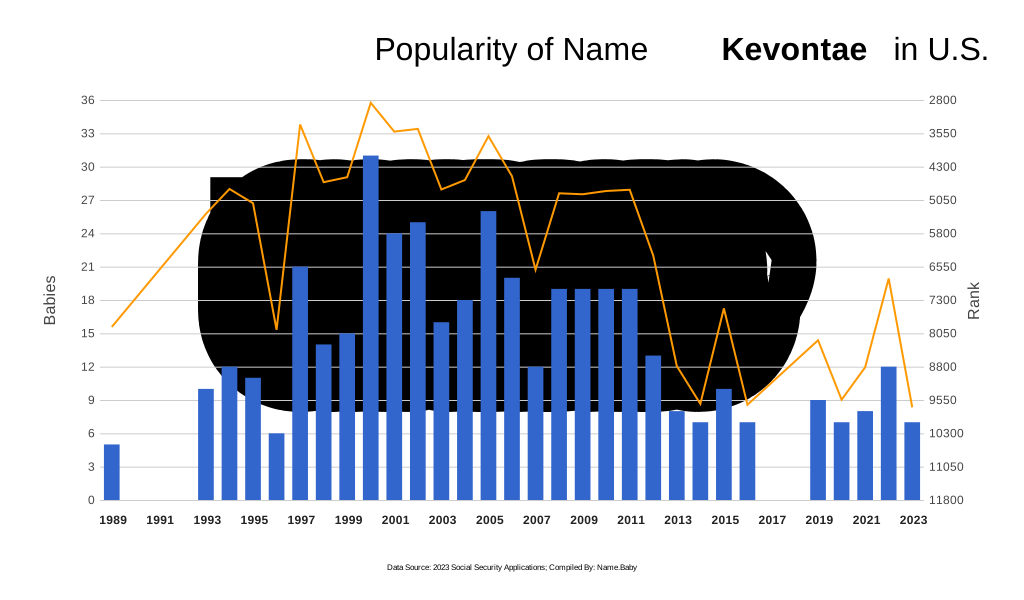
In the mosaic of contemporary American anthroponomy, Kevontae unfurls as an appellation of imaginative fusion, interlacing the Celtic provenance of Kevin—emanating from the Old Irish Cóemgein, “gentle birth”—with a Latinate suffix that conjures the timeless resonance of Dante’s verses; pronounced keh-VON-tay (/kɛˈvɑn.teɪ/), it balances phonetic precision with a lyrical lilt. Though its annual incidence seldom surpasses thirty—most recently appearing five times in 2024 at rank 919—it bestows upon each bearer a mantle of individuality, as though a subtle rose bloomed amid a field of daisies. Associated with strength, leadership, and creative expression, Kevontae embodies a seamless blend of dignitas and imaginatio, inviting admiration and a sense of emboldened identity. Academically, it may be classified as an anthroponymic innovation; in quotidian life, it simply introduces itself with quiet confidence—dry humor notwithstanding, it may not headline bestseller lists, but it will certainly prompt a second glance at roll call, and in the spirit of “nomen est omen,” it suggests an inextricable link between name and noble destiny.
Pronunciation
American English
- Pronunced as keh-VON-tay (/kɛˈvɑn.teɪ/)
U.S. Popularity Chart