Kilani
Meaning of Kilani
Kilani, a feminine appellation of Pacific provenance, emerges from the polyphonic interplay of the Hawaiian lani, “heaven” or “celestial vault,” and the prefix ki-, whose nuanced dialectal echoes imply brightness or a liminal cusp, coalescing into a name that conjures an effulgent threshold between earth and ether. Pronounced kih-LAH-nee (/kɪˈlɑni/), it resonates with both the gentle breath of Polynesian waves and the classical Latin caelum, weaving a semantic tapestry that spans oceanic horizons and ancient European sky-lore. Its romance-laden lilt has found particular favor within Latin American communities, where its rhythmic grace harmonizes with Spanish phonology to evoke the murmuring tide and the infinite firmament in equal measure. In cultural imagination, Kilani unfolds like a dawn-lit architrave, inviting associations of aspiration, expansiveness and ethereal poise; yet, with a touch of dry wit, one might observe that bestowing such a name is tantamount to entrusting a child with the very firmament itself—a celestial gambit imbued with quiet grandeur.
Pronunciation
American English
- Pronunced as kih-LAH-nee (/kɪˈlɑni/)
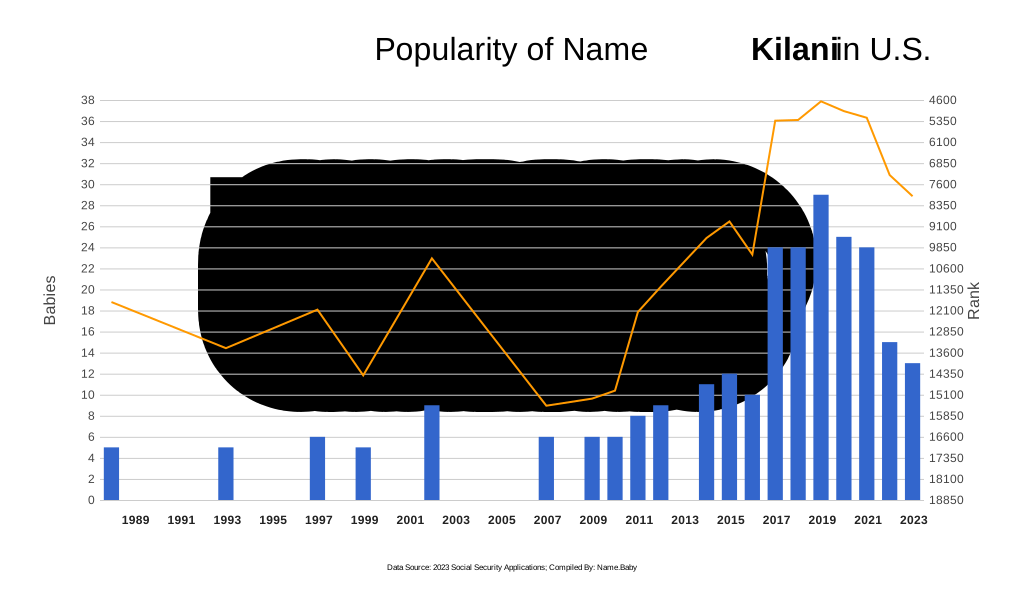
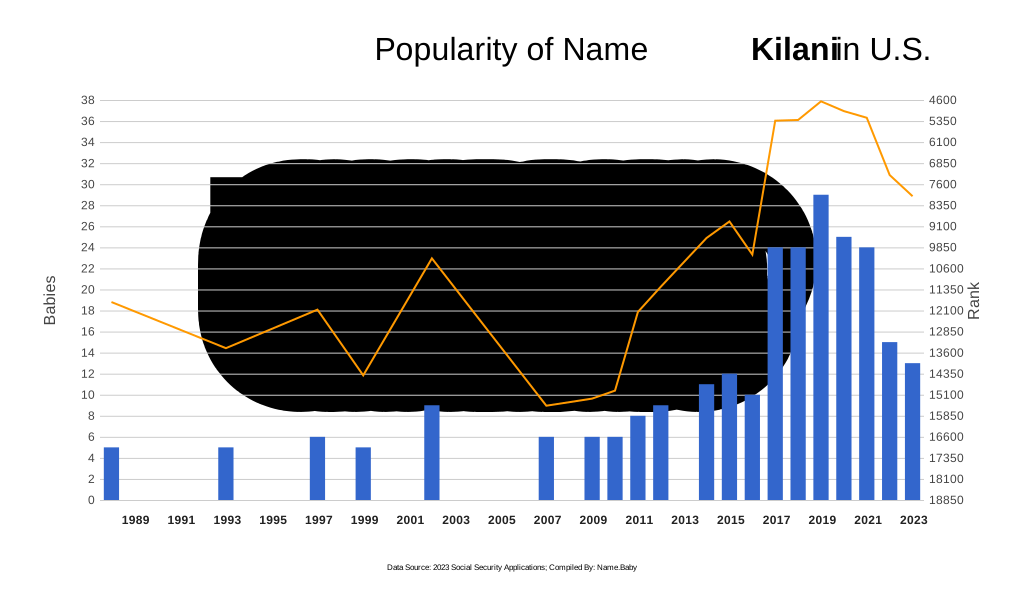
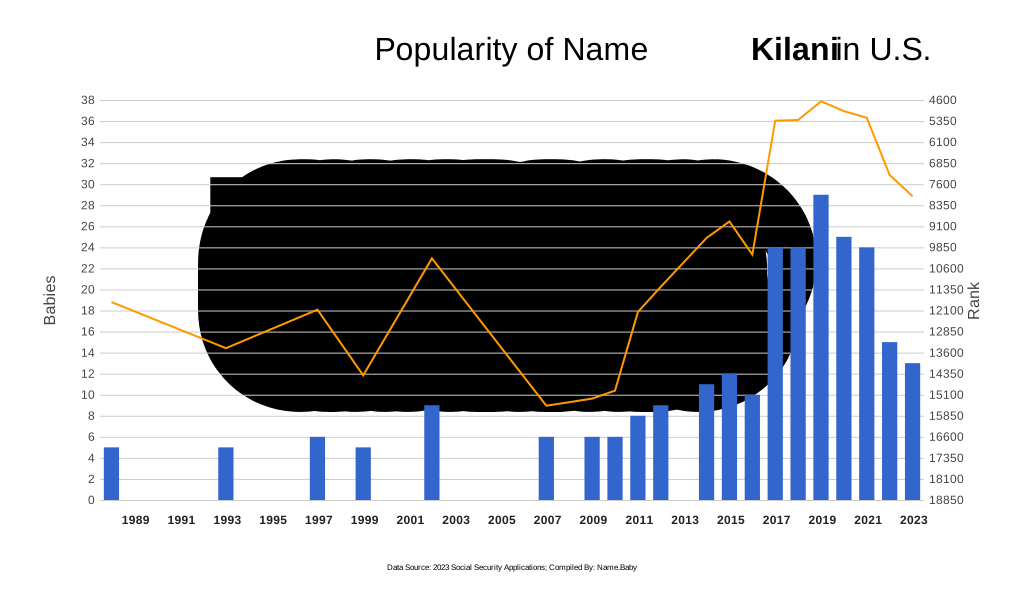
U.S. Popularity Chart