Klein
Meaning of Klein
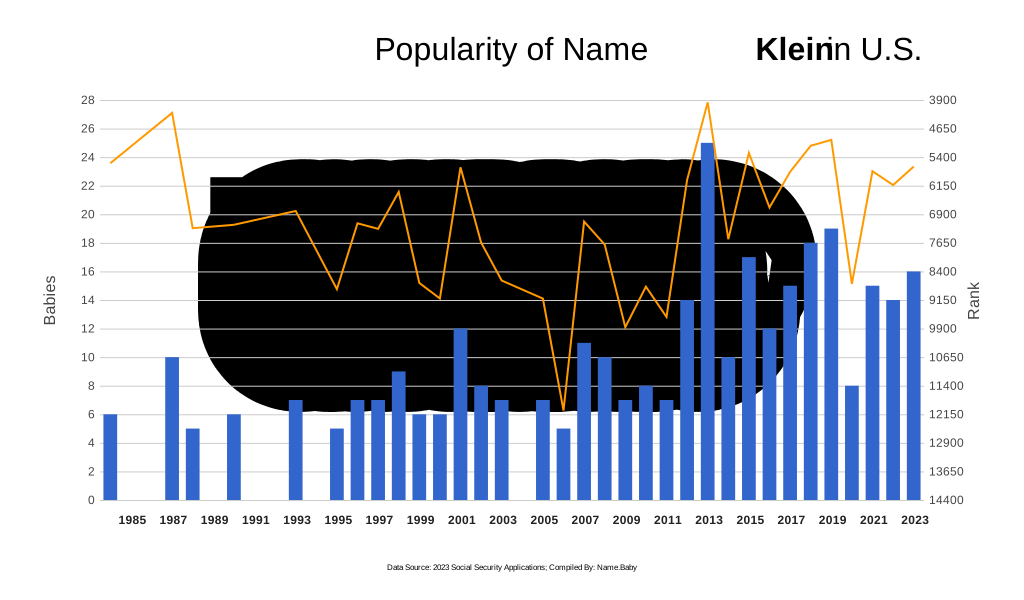
Klein, pronounced /klaɪn/, derives from the German adjective klein, meaning “small,” and originally functioned as a surname to denote either diminutive stature or junior lineage within German-speaking regions. Its emergence as a masculine given name in Anglo-American contexts remains sporadic yet persistent: according to US Social Security Administration data, Klein has continuously appeared on the annual top-1000 list since 1984, typically occupying positions between 707 and 930, with occurrence figures per annum fluctuating from five births in years such as 1988 and 2011 to a peak of twenty-five in 2013 and registering fourteen newborns at rank 910 in 2024. Although its semantic field conveys understatement, the name resonates with cultural associations ranging from the avant-garde legacy of artist Yves Klein to the scholarly contributions of engineer and physicist Abraham Klein, thereby imbuing the appellation with an aura of refined creativity and intellectual rigor. While its lexical simplicity suggests a univocal referent, the name’s onomastic trajectory reveals a nuanced interplay between ethnic heritage and contemporary naming preferences among US parents, who appear drawn to its monosyllabic construction and the subtle gravitas conferred by a surname-turned-forename.
Pronunciation
German
- Pronunced as kline (/klaɪn/)
U.S. Popularity Chart