Laith
Meaning of Laith
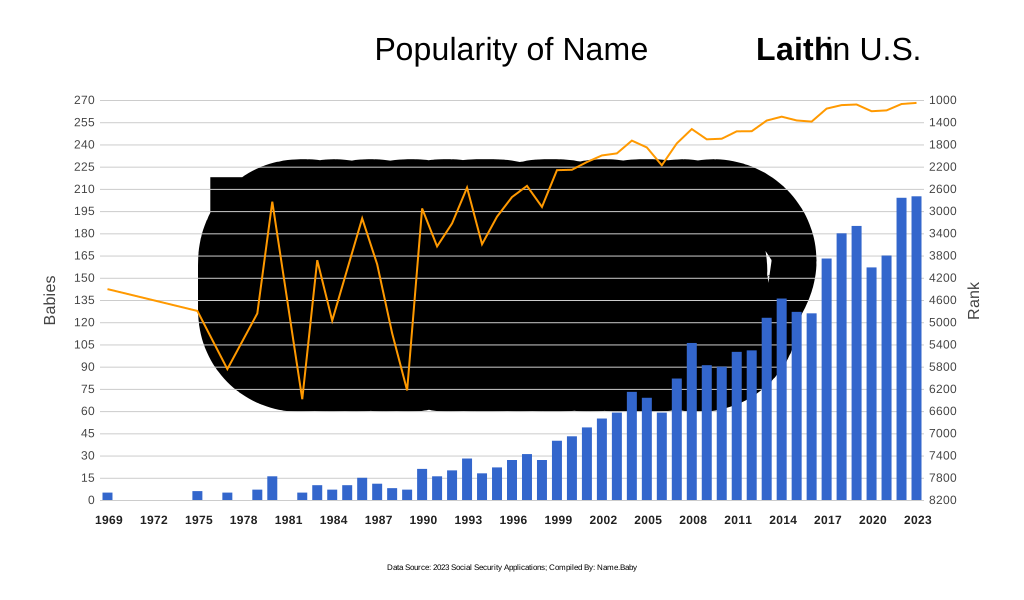
Laith, pronounced LAYTH (/leɪθ/), is an Arabic masculine given name that literally denotes “lion,” a lexeme historically reserved in Arabic poetry and tribal onomastics for men whose valor and eloquence paralleled the animal’s regal stature; its prestige was further solidified by the eighth-century jurist Laith ibn Saʿd, whose scholarly authority still anchors the name in Islamic intellectual history. In contemporary Anglo-American usage, Laith has migrated from cultural niche to quiet mainstream: first registering on U.S. Social Security records in 1969, it has exhibited a slow but steady climb—reaching 231 newborns and rank 694 in 2024—suggesting durable rather than faddish appeal. Phonetically concise, containing a single stressed diphthong and terminating in the voiceless dental fricative familiar from “faith,” the name satisfies anglophone preferences for crisp, monosyllabic choices akin to Blake or Chase while retaining unmistakable Middle Eastern heritage. Consequently, Laith offers parents a technically simple yet semantically potent option that conveys strength, cross-cultural awareness, and a subtle scholarly lineage without sacrificing contemporary stylistic economy.
Pronunciation
Arabic
- Pronunced as LAYTH (/leɪθ/)
U.S. Popularity Chart
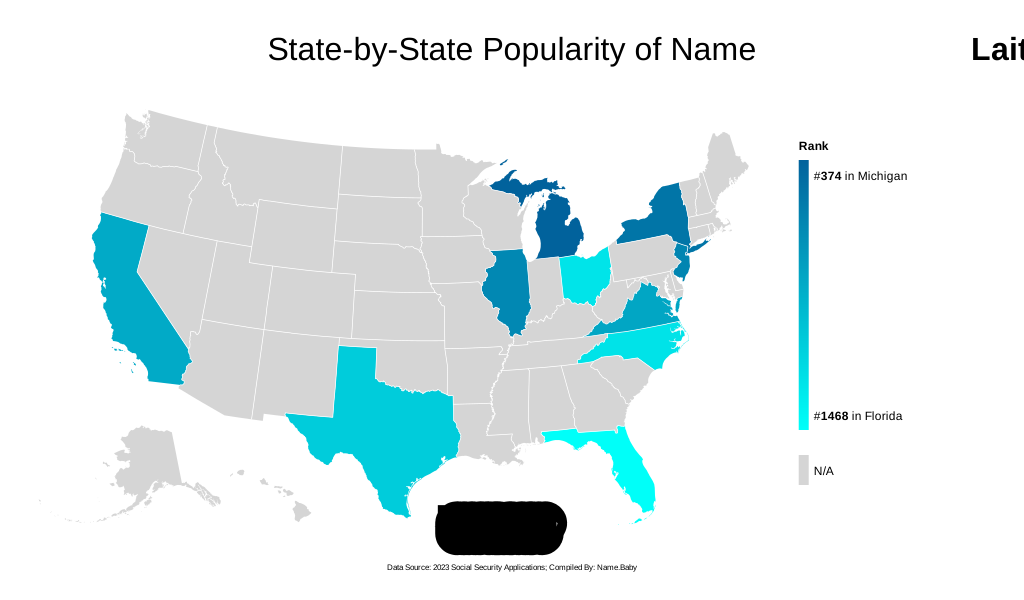
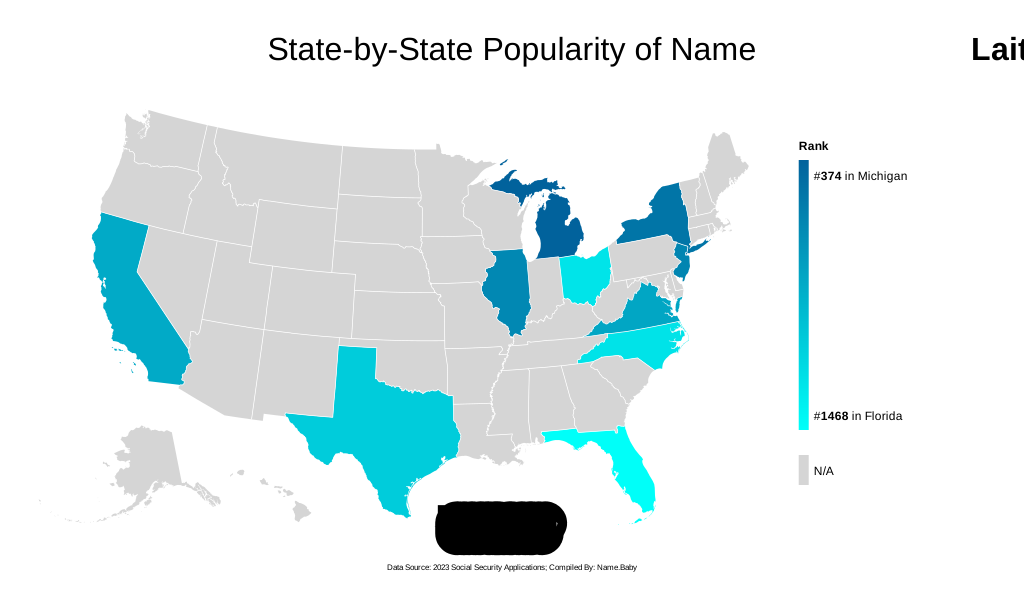
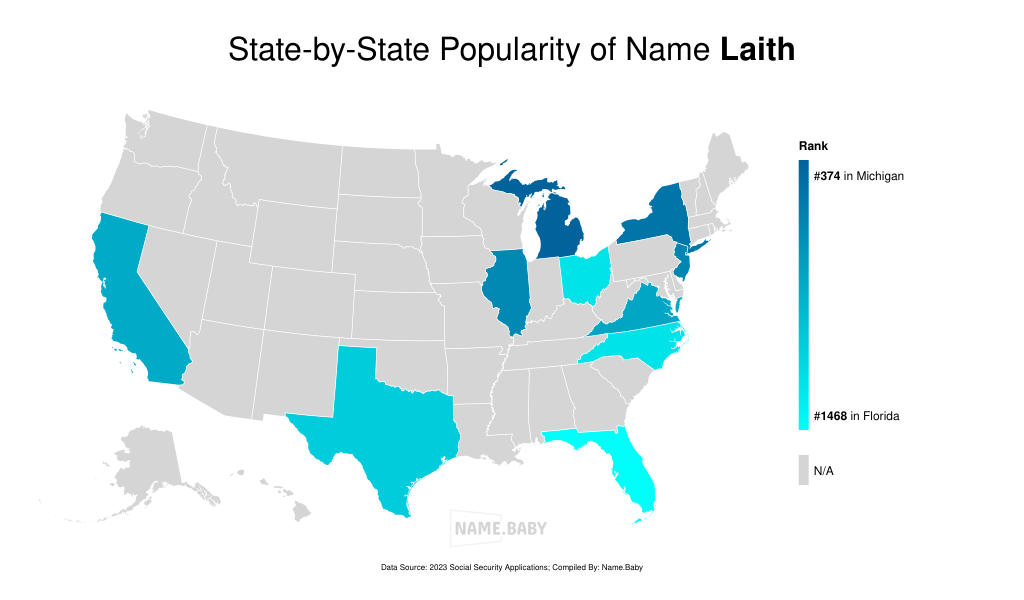
States Popularity Chart
Notable People Named Laith
| Laith Ashley - |
| Laith Wallschleger - |
| Laith Al-Deen - |
