Lior
Meaning of Lior
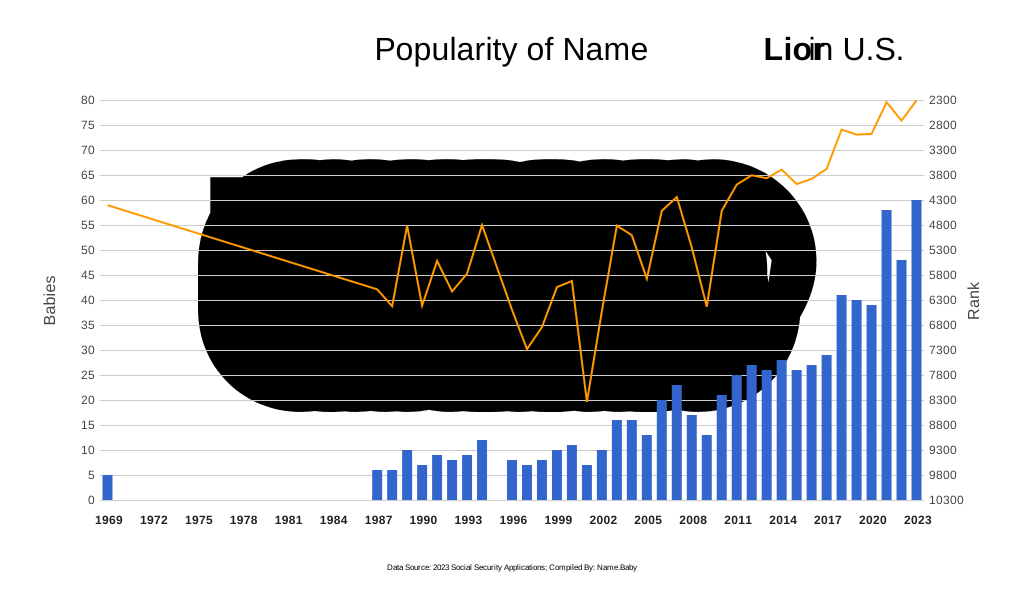
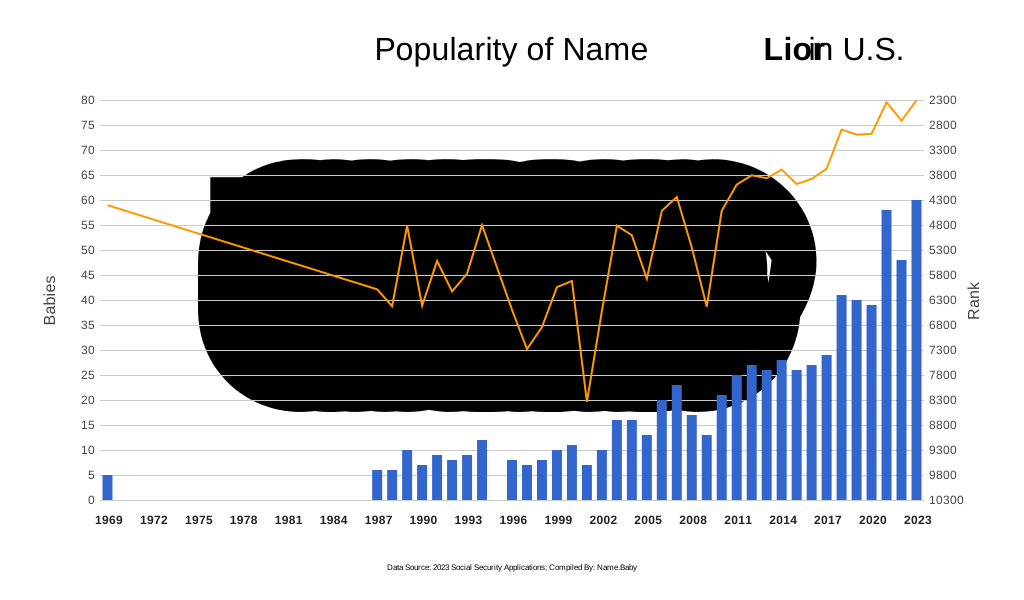
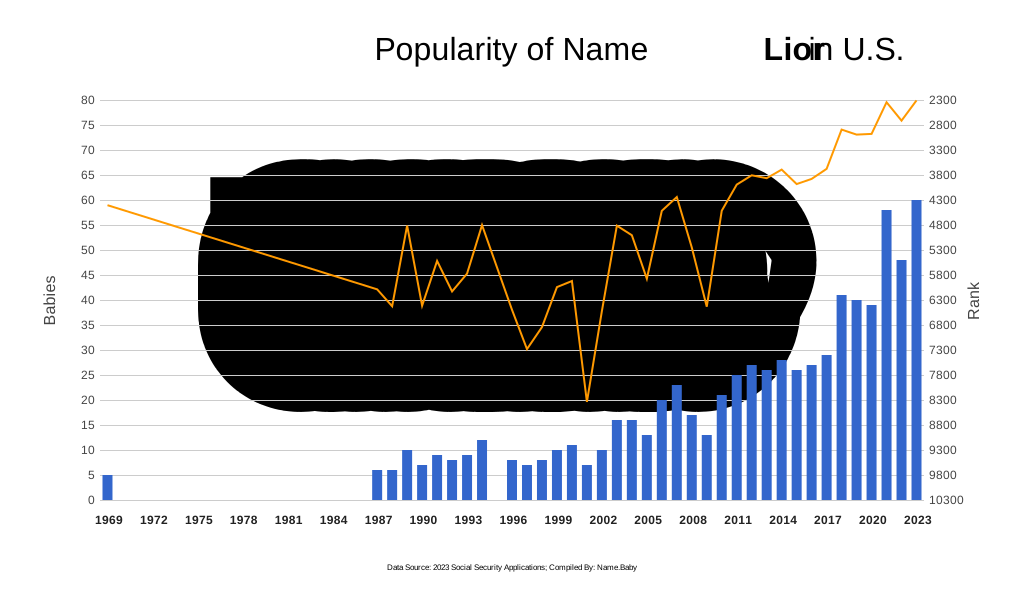
Lior—born of Hebrew roots that murmur “my light”—drifts through languages like a paper lantern on a Kyoto canal, casting a soft radiance that feels at once ancient and effortlessly current; to some ears it is lee-OR, to the heart it is an invitation to dawn itself. Unshackled by gender, the name moves with understated grace between sons and daughters, much the way moonlight refuses to choose only one side of the garden. Stateside, Lior has hovered for decades in the lower ranks of the Social Security charts, a quiet ember that never quite winks out, never quite blazes—a statistical haiku whose syllables read 867, 869, 895, and so on with monastic persistence. Listeners may recall Israeli actor Lior Ashkenazi or the Australian-Israeli singer simply known as Lior, yet the name owes its true allure to the image of first light brushing the walls of Jerusalem, a scene as serene as a sumi-e brushstroke. Cool, contained, and secretly luminous, Lior waits like a poised samurai of syllables, offering parents a compact promise: carry this word, and your child might grow into their own quiet sunrise.
Pronunciation
Hebrew
- Pronunced as LEE-or (/liˈɔr/)
U.S. Popularity Chart
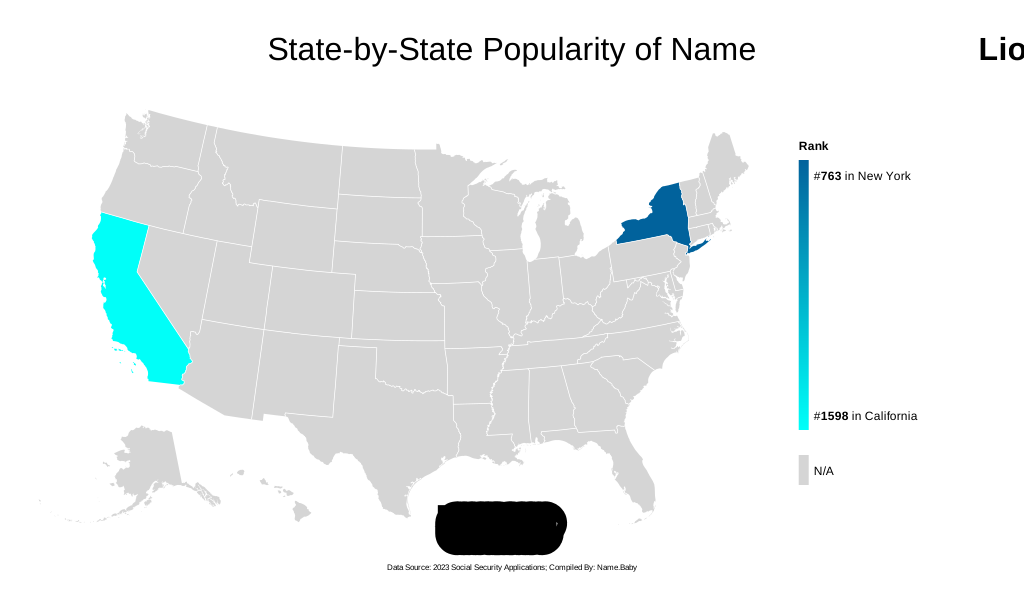
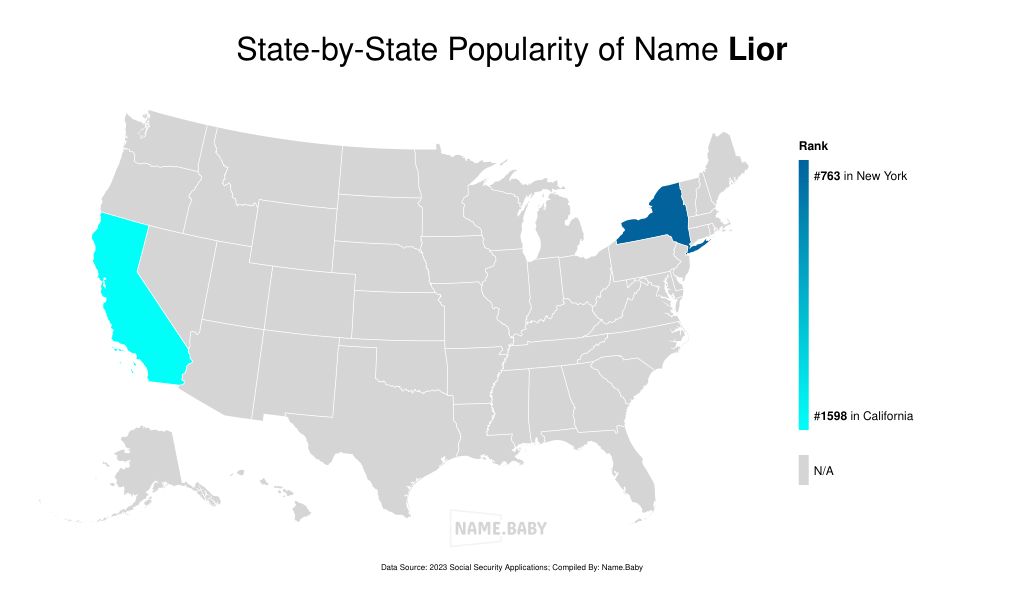
States Popularity Chart
Notable People Named Lior
| Lior Refaelov - |
| Lior Suchard - |
| Lior Raz - |
| Lior Eliyahu - |
| Lior Shamriz - |
| Lior Ron - |
| Lior Asulin - |
| Lior Ashkenazi - |
| Lior Narkis - |
| Lior Schleien - |
| Lior Ron - |
| Lior Edri - |
| Lior Haramaty - |
| Lior Keinan - |
| Lior Ben Ami - |
