Locke
Meaning of Locke
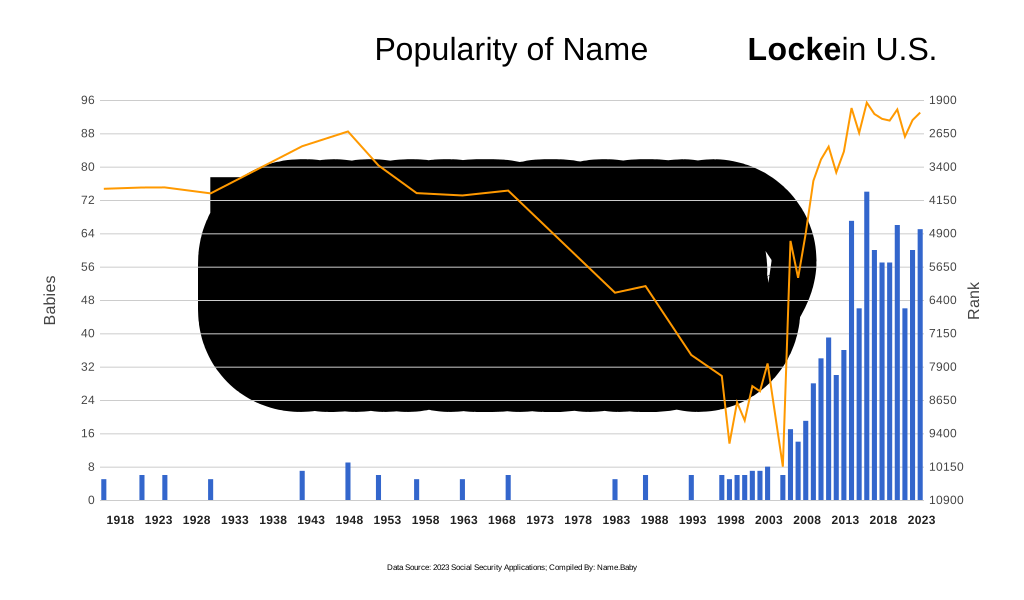
Locke drifts onto the tongue like a gondola gliding through a moonlit Venetian canal—soft, purposeful, and edged with quiet mystery. Born from an English surname meaning “fortified stronghold” and echoing the Gaelic loch, “lake,” it conjures both sturdy stone ramparts and glass-still waters, a marriage of protection and reflection. Listeners may hear the distant bells of Tuscany when they recall the Enlightenment philosopher John Locke, whose ideas unlocked new worlds of thought, or picture a silver key turning in an antique door, promising discovery just beyond. Though the name has never surged in the American charts, its gentle, steady presence—surfacing every few years like a shy fish in a clear lagoon—whispers of constancy rather than fashion. Locke is for a child fashioned of calm depth and quiet strength, a little voyager who will one day carry his own set of ideas, as luminous as fireflies over Lake Como, into the wide, waiting night.
Pronunciation
American English
- Pronunced as lok (/lɑk/)
U.S. Popularity Chart
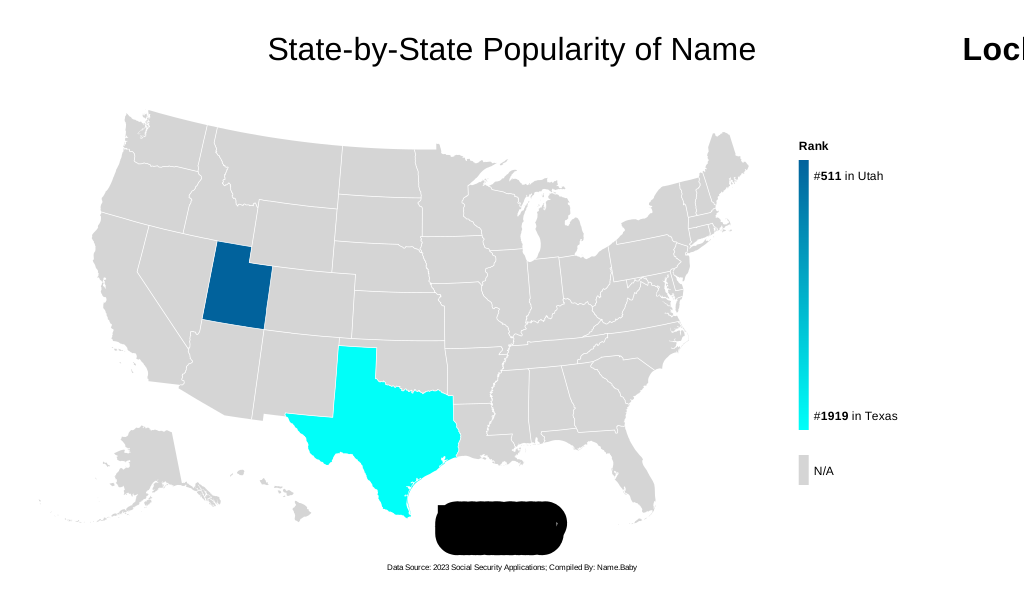
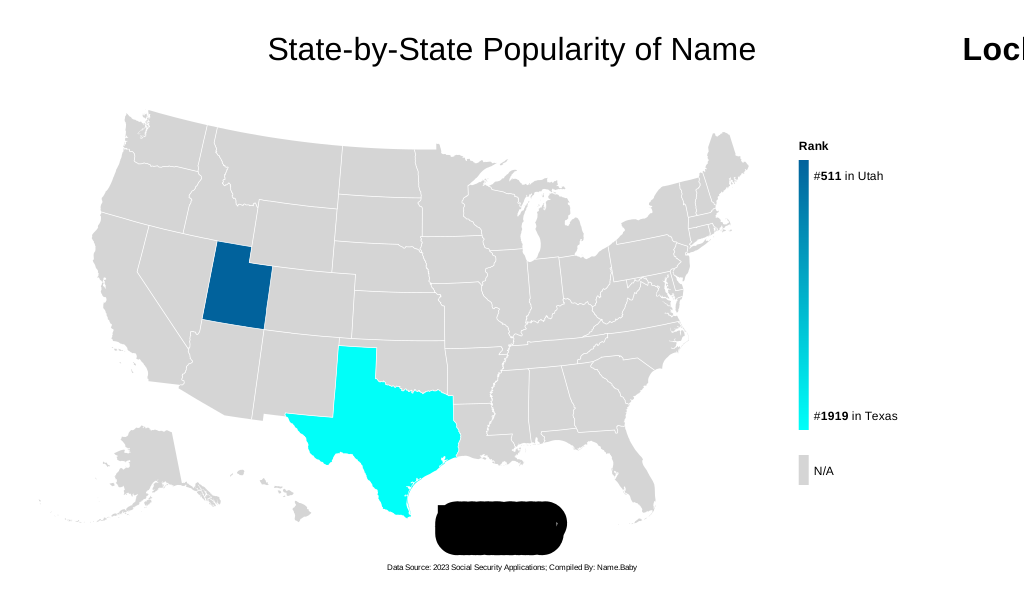
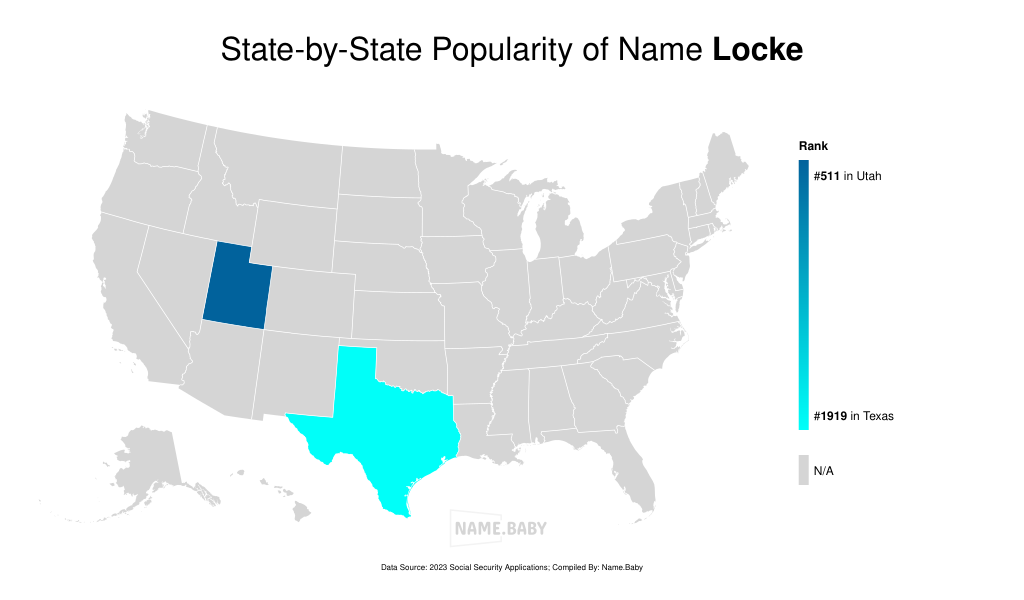
States Popularity Chart
Notable People Named Locke
| Locke Craig - |
