Maizey
Meaning of Maizey
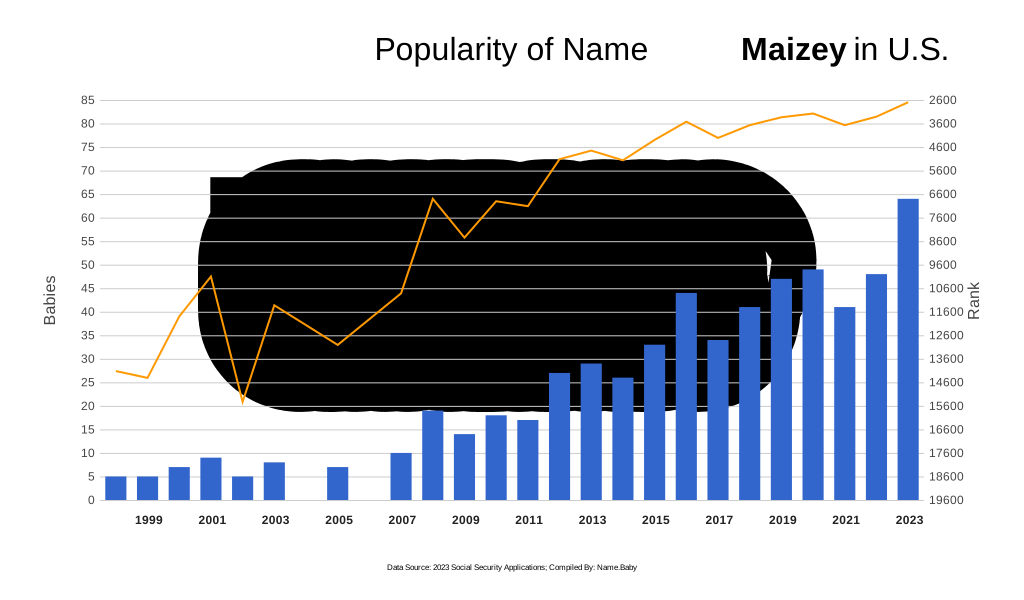
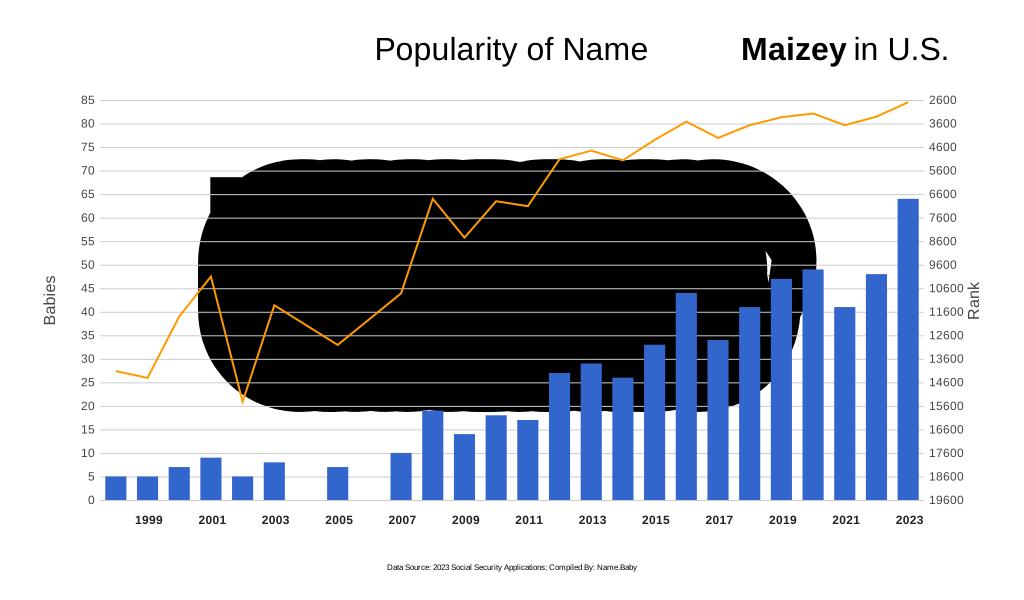
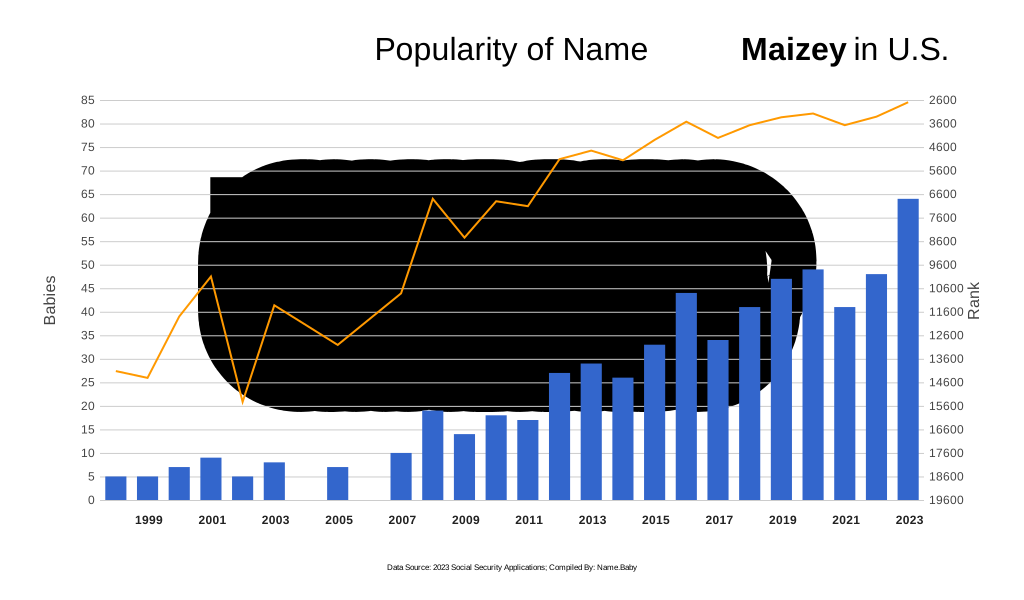
In the tapestry of contemporary American feminine names, Maizey—pronounced /ˈmeɪzi/—weaves together the venerable Gaelic diminutive Maisie (itself a pet form of Margaret, from the Greek margarítēs, “pearl”) with the lush symbolism of maize (Spanish: maíz), the golden grain that sustained pre-Columbian civilizations across Mesoamerica. The choice of Maizey evokes a verdant tableau, reminiscent of sun-drenched fields where tassels of corn sway like gilded sentinels in the breeze, bestowing upon its bearer an aura of abundance and resilience. From a phonological perspective, the initial diphthong /eɪ/ grants clarity and vigor, while the final -y softens the name into a tender refrain, aligning it with modern preferences for diminutives that convey intimacy. Latest data from the National Center for Health Statistics reveal a measured rise in its adoption—52 newborn girls in the United States in 2024, securing a rank of 898—underscoring Maizey’s emergence as an elegant yet distinct alternative within the lexicon of female appellations. Through its fusion of Celtic heritage, classical Greek echo, and Latin American fecundity, Maizey stands as a name of scholarly richness and bucolic warmth, ideally suited for parents drawn to nomenclature that resonates with both historical depth and natural splendor.
Pronunciation
American English
- Pronunced as MAY-zee (/ˈmeɪzi/)
U.S. Popularity Chart