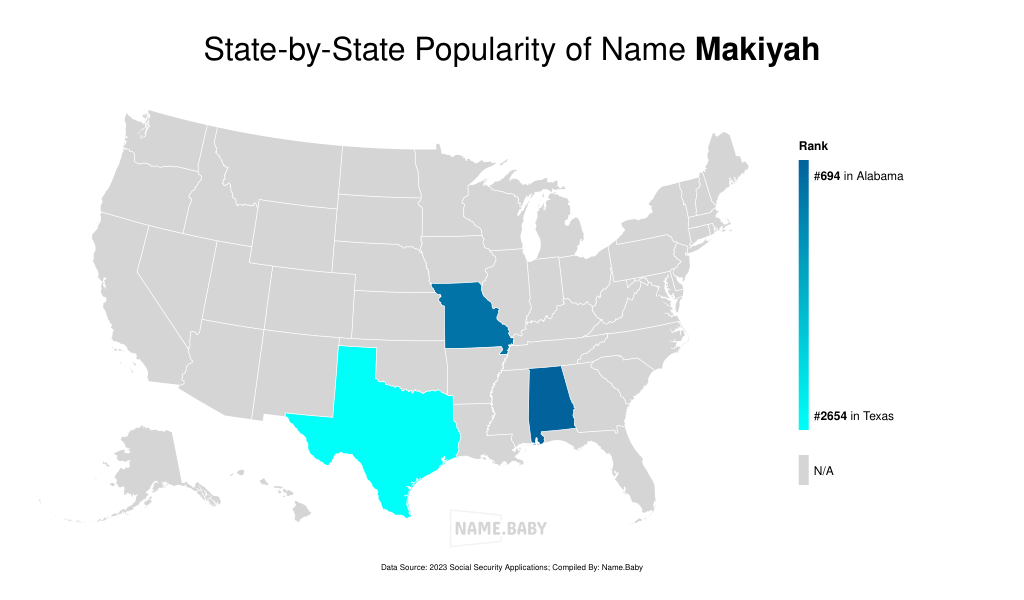
Makiyah
Meaning of Makiyah
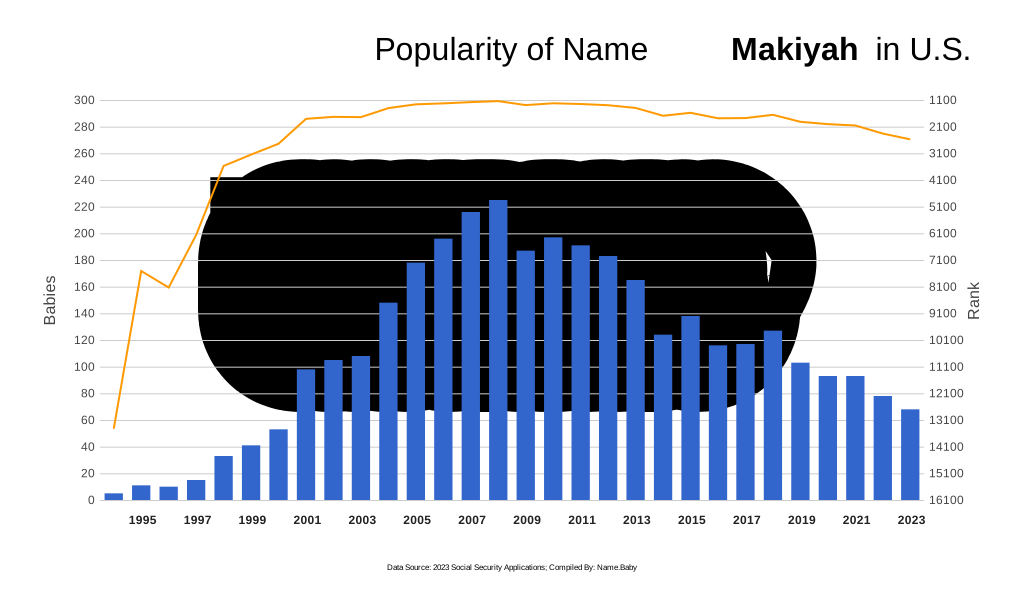
Makiyah drifts across the ear like wind-tossed sakura petals, its three syllables—ma-ki-yah—tapping the drum of the heart with a quiet, insistent rhythm. Born in contemporary America yet rooted in older soil, the name is often read as a lyrical fusion of the Hebrew “Micaiah,” “Who is like God?,” and the Arabic “Makiyya,” “pure,” though its vowel-soft resemblance to the Japanese “Maki” (真希, “true hope”) lends it an extra brushstroke of East-wind grace. She carries the breath of inquiry—inviting the child to question, to wonder, to lift her eyes toward a sky widening beyond the neighborhood roofs—while the gentle “yah” at the end murmurs of divinity, a hushed reminder that something larger whispers behind every ordinary hour. In nursery ledgers across the United States, Makiyah has hovered in the mid-hundreds for three quiet decades, never clamoring for center stage, yet, like a moon viewed through bamboo, steadily present, softly luminous, and content to let her subtle radiance speak for itself.
Pronunciation
American English
- Pronunced as mah-KY-uh (/mɑːˈkaɪə/)
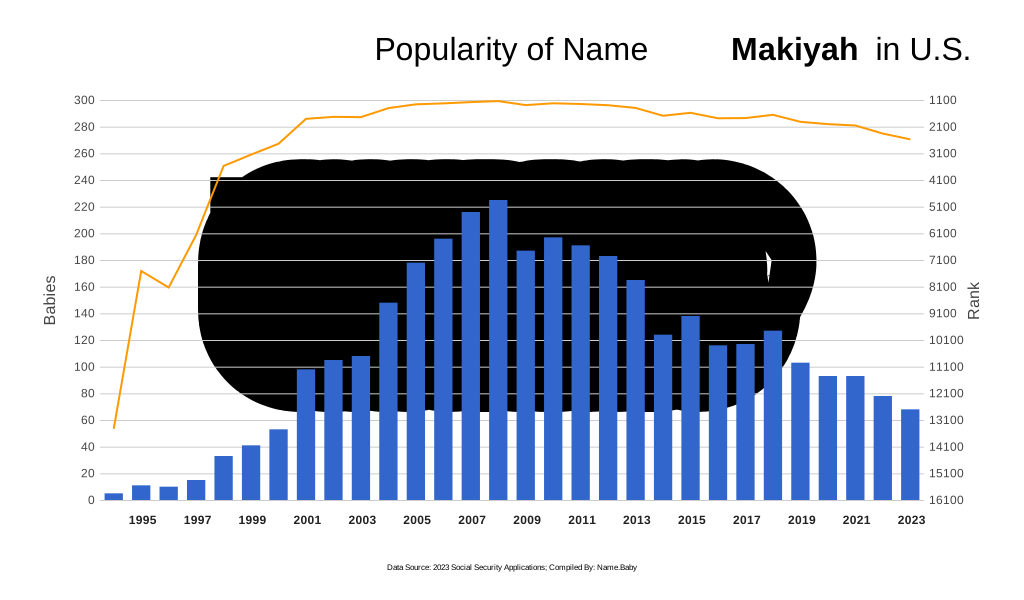
U.S. Popularity Chart
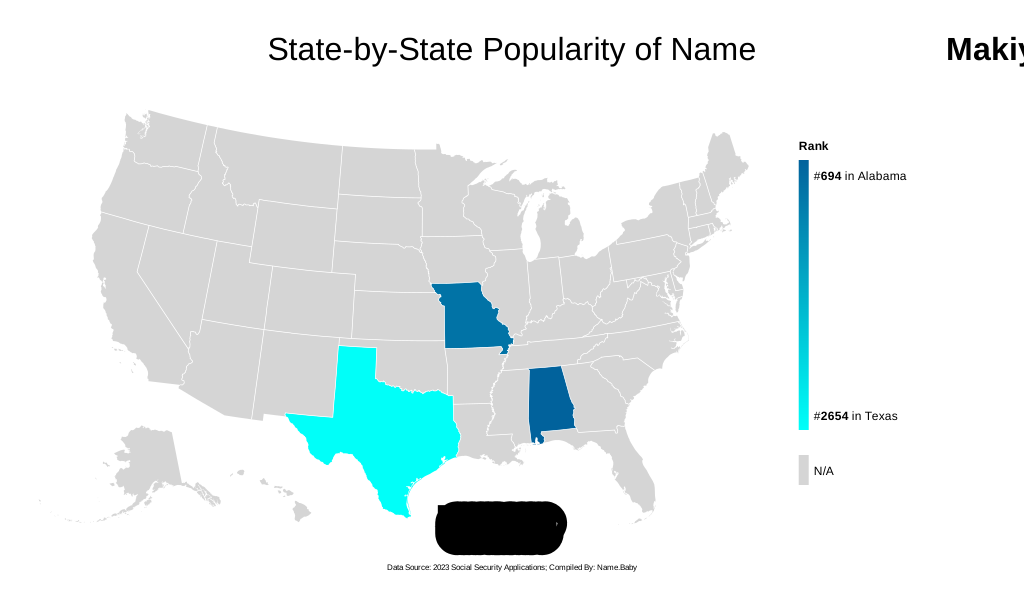
States Popularity Chart