Maliya
Meaning of Maliya
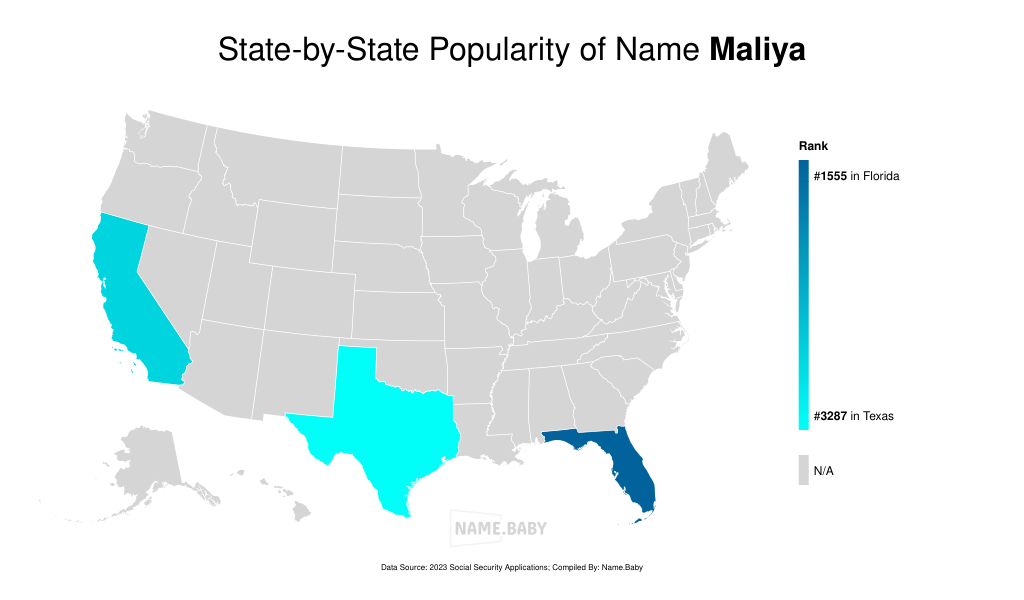
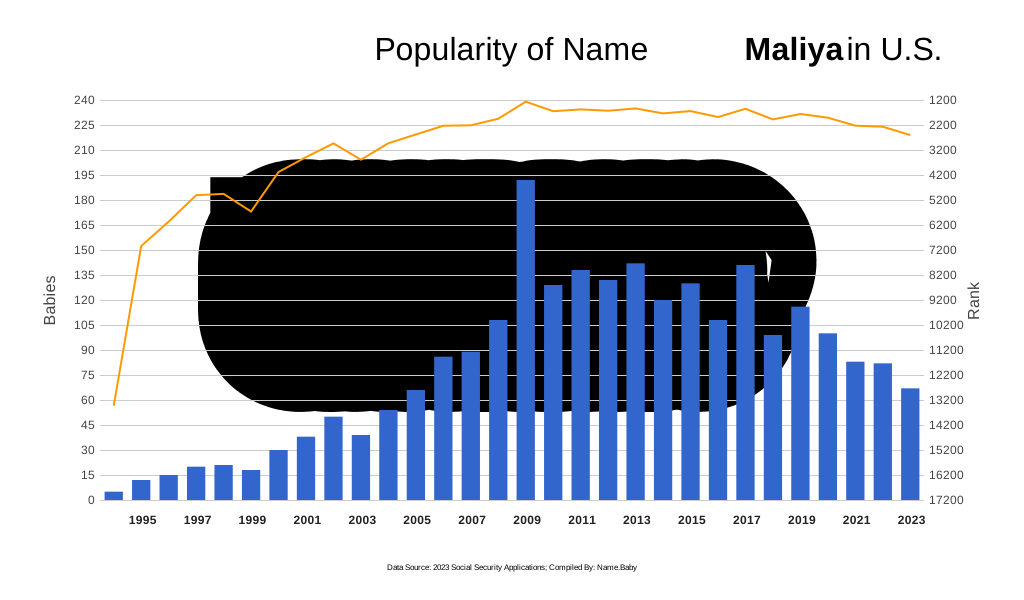
Maliya drifts across the tongue like a sunset breeze over the Río Magdalena—mah-LY-uh—its syllables cradling stories that wander from the Levant to the tropics. Scholars trace her lineage first to Malia, the Hawaiian echo of María, and thus to the ancient Hebrew Miryam, a name wrapped in meanings of “beloved,” “sea of serenity,” and “wished-for child”; yet elsewhere, in Arabic poetry, malyāʼ whispers of a woman “rich in grace,” while Bronze-Age Anatolian tablets salute Maliya as a river goddess who lured fields into bloom. Threaded together, these currents paint a portrait of water and abundance, of lilies opening after warm rain. In the United States, her presence has moved like a quiet but persistent tide—never cresting the popular peaks yet glimmering in the national charts each year since the mid-1990s, as though parents continue to discover a hidden cove and carry its sea-glass home. For a daughter named Maliya, every introduction becomes a small voyage: she bears a sound both familiar and freshly fragrant, a passport stamped with honeyed legends, and a promise—as soft and enduring as a Caribbean bolero—that the world will receive her with gentle awe.
Pronunciation
American English
- Pronunced as mah-LY-uh (/mɑːˈlaɪjə/)
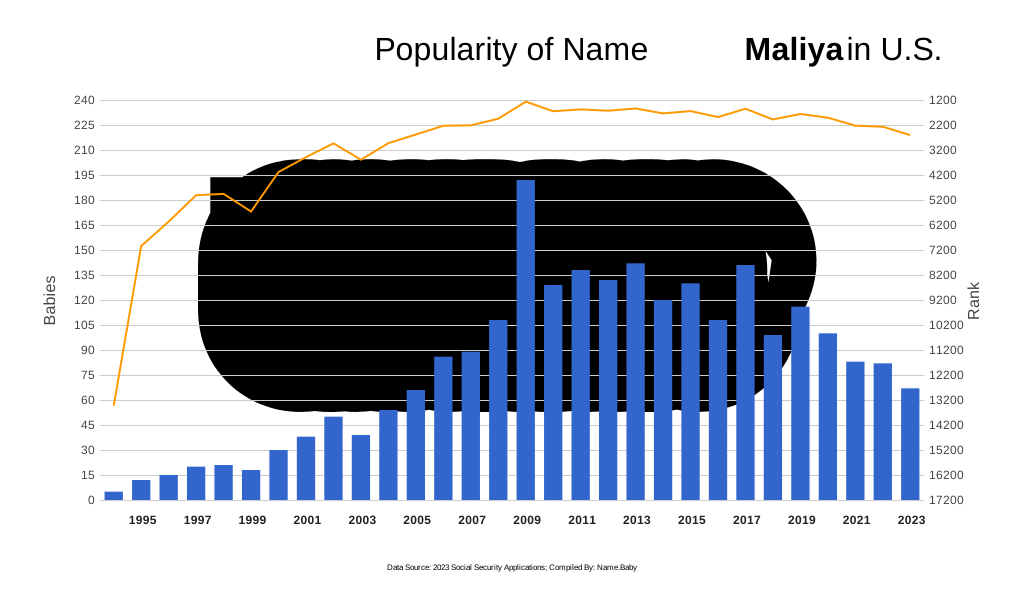
U.S. Popularity Chart
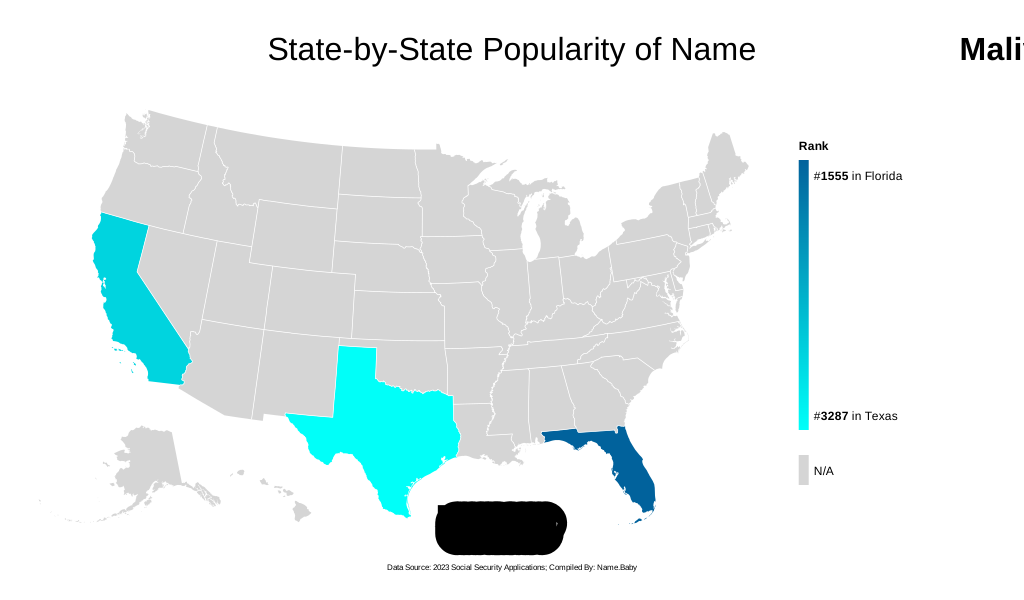
States Popularity Chart