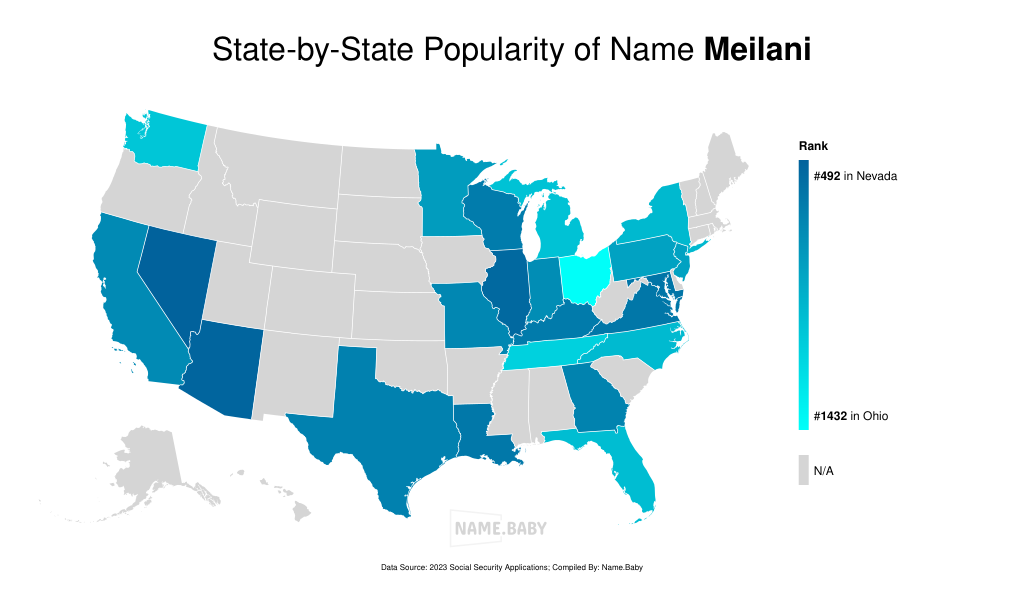
Meilani
Meaning of Meilani
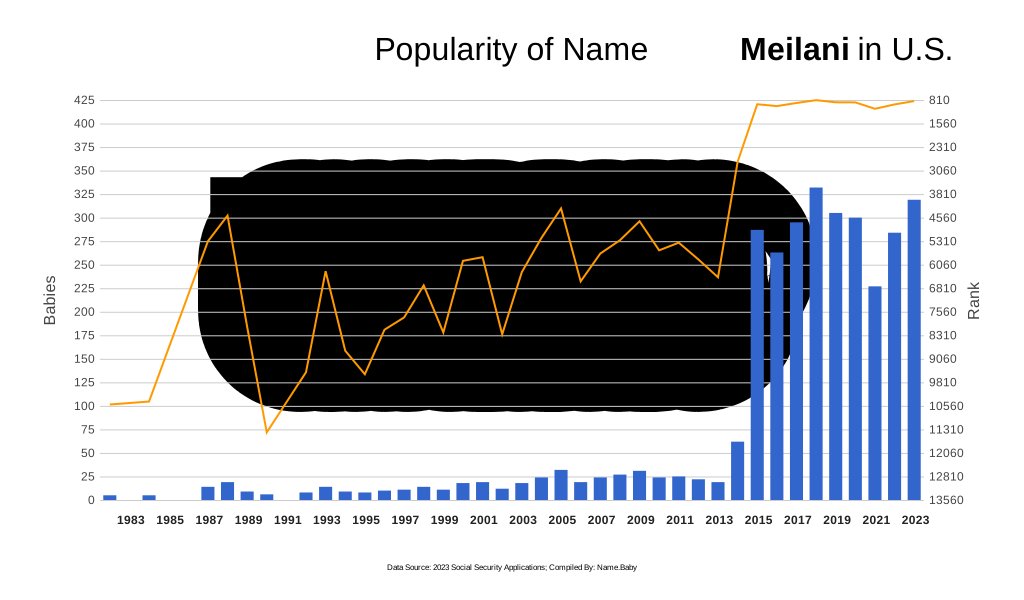
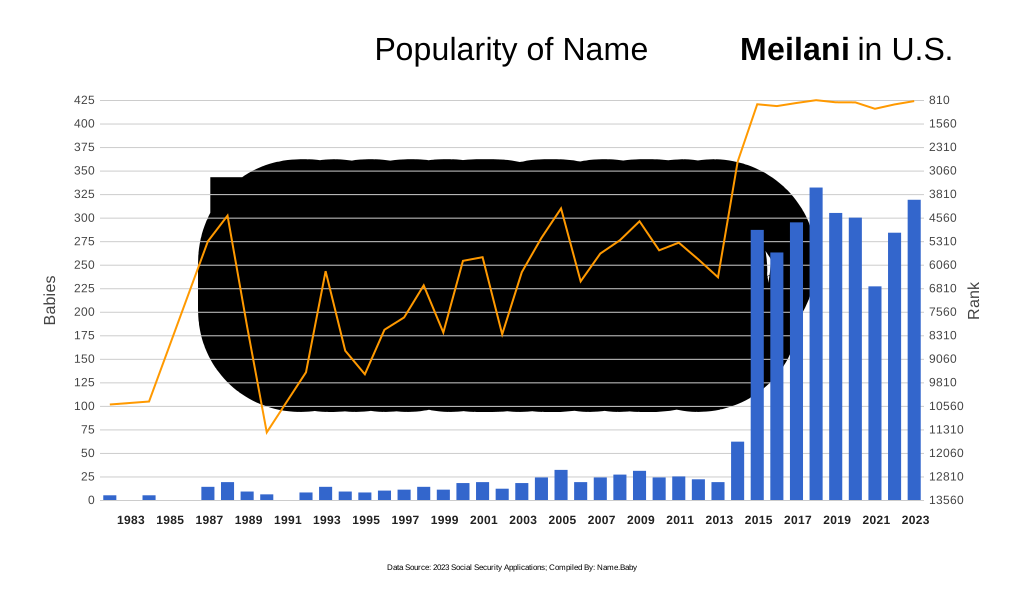
Meilani drifts through language like a crane skimming twilight water—its Hawaiian syllables, may-LAH-nee, marrying mei, the tender month of May, to lani, the vault of heaven—so that, taken whole, the name suggests a garland lifted skyward, a blossom granted altitude. She wears her meaning lightly, as silk crepe might hold the ink of a sumi-e brush: airy yet deliberate, fragrant yet restrained. Statisticians, ever fond of spreadsheets and sun-bleached conference rooms, note her steady climb from the far edges of the U.S. charts in the 1980s to a present rank in the six-hundreds; poets, less preoccupied with rank, observe instead how she rises like a lantern on Tanabata night—slow, constant, almost indifferent to applause. For parents, Meilani offers a cool hush of tropical wind tempered by Japanese wabi-sabi grace: a reminder that beauty can be both bright and fleeting, grounded and celestial. One can almost hear the dry whisper of bamboo when the name is spoken—elegant, understated, and, when the occasion calls for it, perfectly happy not to make a fuss about how heavenly it really is.
Pronunciation
Hawaiian
- Pronunced as may-LAH-nee (/meɪˈlɑni/)
U.S. Popularity Chart
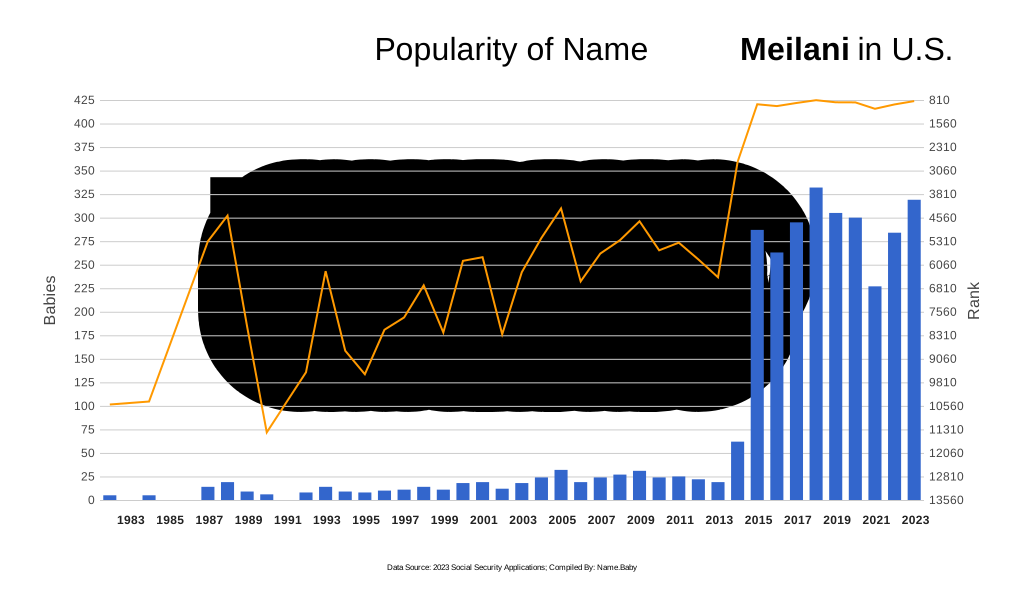
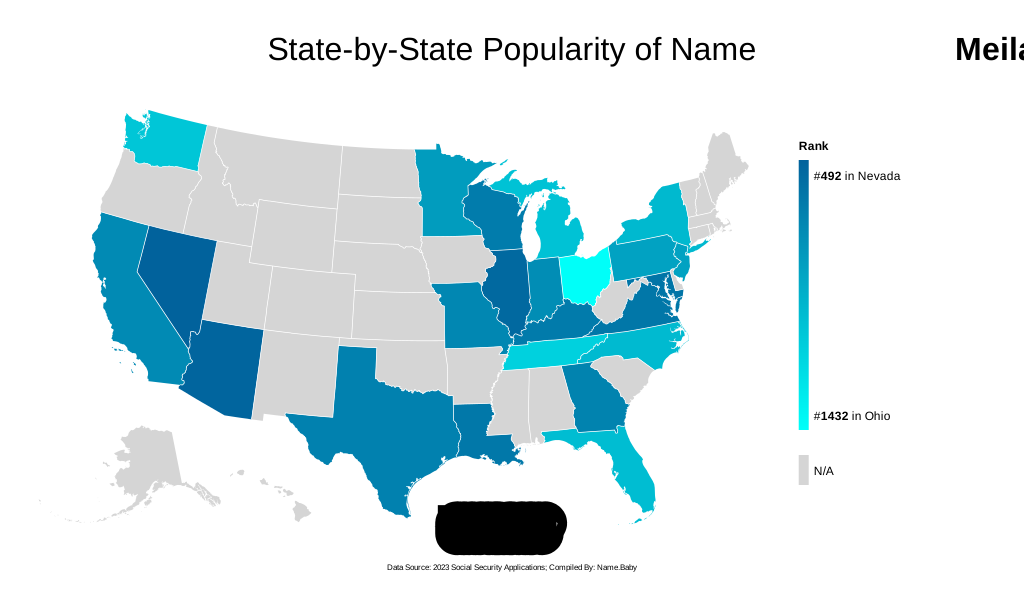
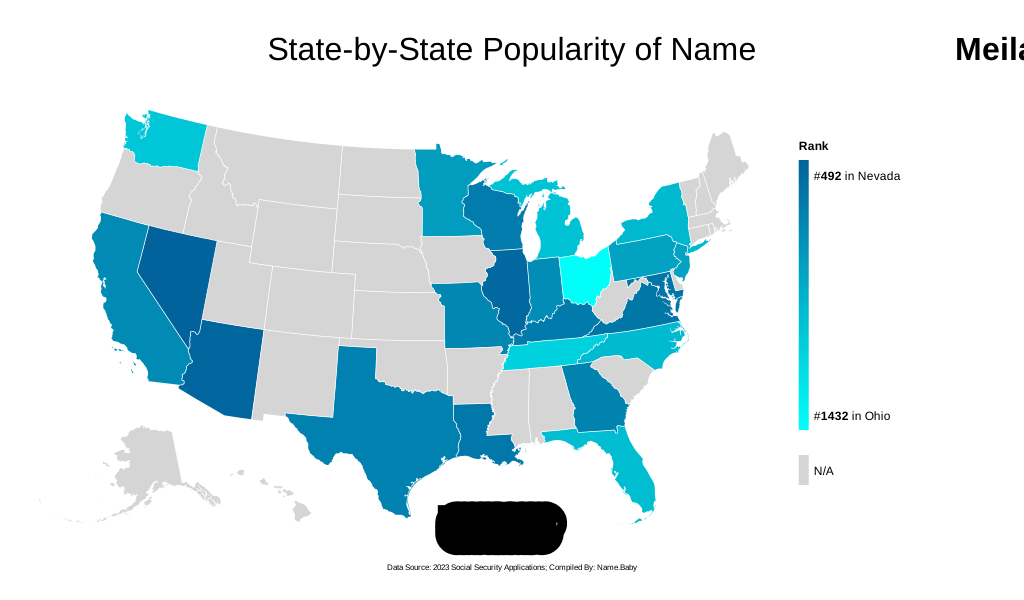
States Popularity Chart