Merisha
Meaning of Merisha
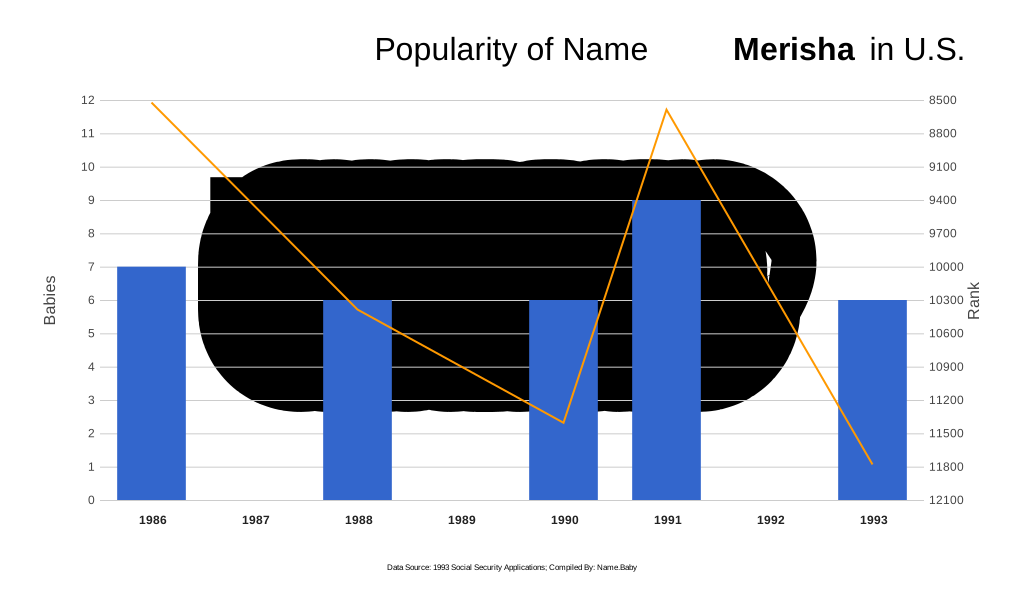
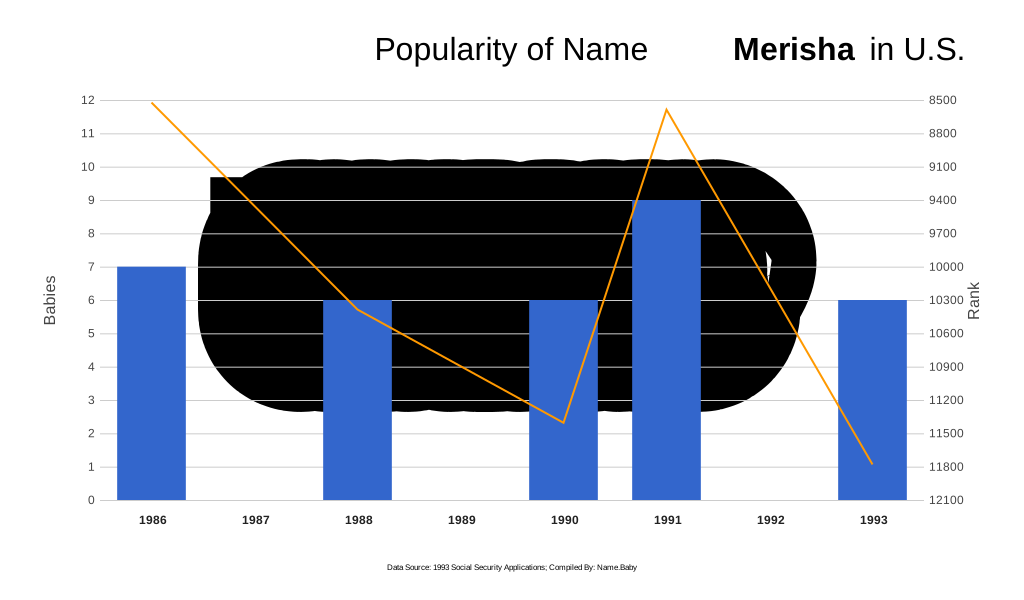
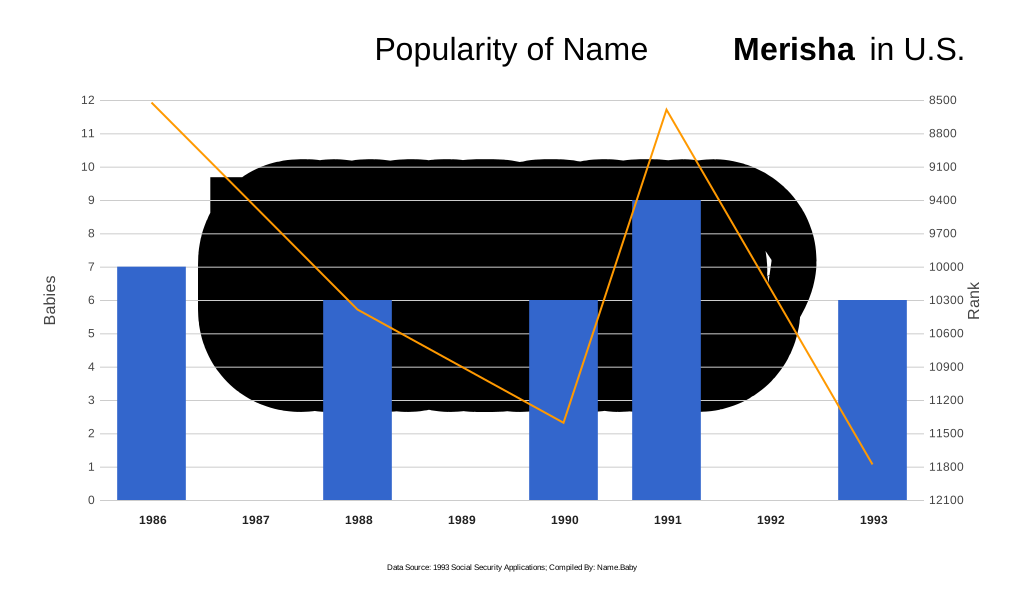
Merisha—pronounced muh-REE-shuh—glides off the tongue like a sea-spray breeze skimming the Ligurian coast, and her story, though lightly scattered across birth records, is rich with wandering roots: some scholars link her to the Italian Marisa, itself a lyrical fusion of Maria and Luisa, while others hear echoes of the Slavic endearment Marisha or even sense a distant Sanskrit murmur, rishi, meaning “sage.” Whatever the etymological thread one follows, the name carries an irresistible imagery of “sea” (mer in old Romance tongues) meeting “wisdom,” suggesting a child who will navigate life with both tide-borne curiosity and quiet insight. In the United States she surfaces only in rare, shimmering intervals—never more than a handful of births a year in the late 1980s and early ’90s—making her as delightfully uncommon as a hidden cove known only to local fishermen. To Italian ears, Merisha feels like the soft clink of porcelain cups in a sunlit café; to every ear, she promises warmth, grace, and just enough playful fizz—think of an unexpected sprinkle of lemon zest on a scoop of pistachio gelato—to keep the everyday remarkable.
Pronunciation
English
- Pronunced as muh-REE-shuh (/məˈriːʃə/)
U.S. Popularity Chart