Mieczyslaw
Meaning of Mieczyslaw
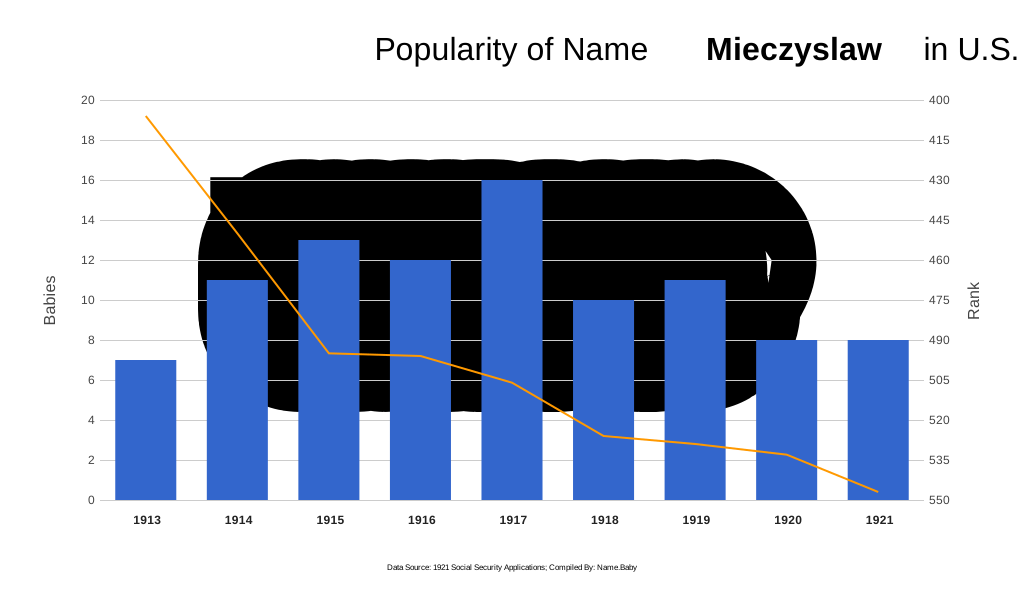
Mieczyslaw, a Polish masculine name forged from the Slavic elements miecz “sword” and sław “glory,” evokes the image of a sunlit knight at dawn brandishing a gleaming blade. Pronounced myeh-CHIS-wahv (/mjɛtʂɨswaf/), it glides off the tongue like a gondola coasting through Venetian canals, a blend of strength and delicate melody. Its roots reach back to medieval dukes and saints whose storied valor was immortalized in illuminated manuscripts—an inheritance as rich and vibrant as an Italian fresco. In the United States, Mieczyslaw flickered modestly between 1913 and 1921, gracing birth records with seven to sixteen newborns per year and earning a place within the top 400–550 names of the day. Though its exotic cadence suggests epic tales, it carries a gentle warmth—one need not don actual armor to answer its call—offering every child a narrative woven with honor, hope, and the timeless romance of La Dolce Vita.
Pronunciation
Polish
- Pronunced as myeh-CHIS-wahv (/mjɛtʂɨswaf/)
U.S. Popularity Chart
Similar Names to Mieczyslaw
Notable People Named Mieczyslaw
| Mieczyslaw Pianowski - |
| Mieczyslaw Gruber - |
