Noni
Meaning of Noni
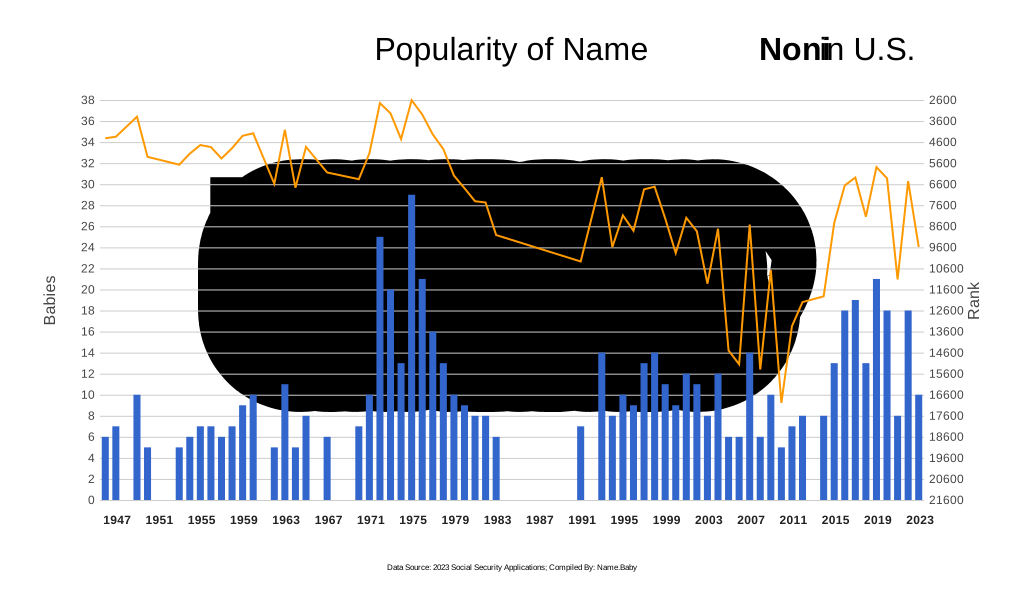
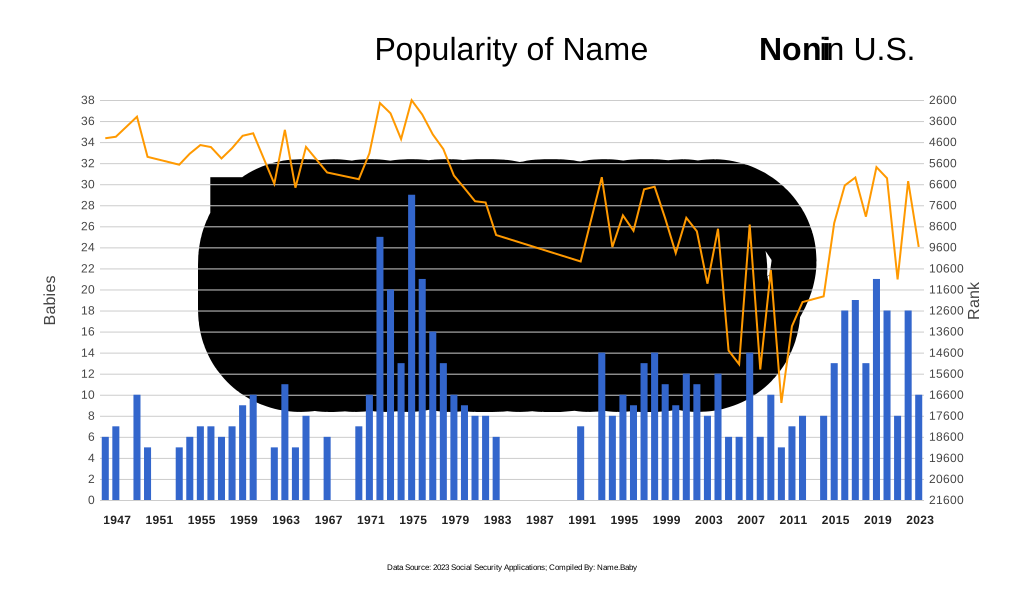
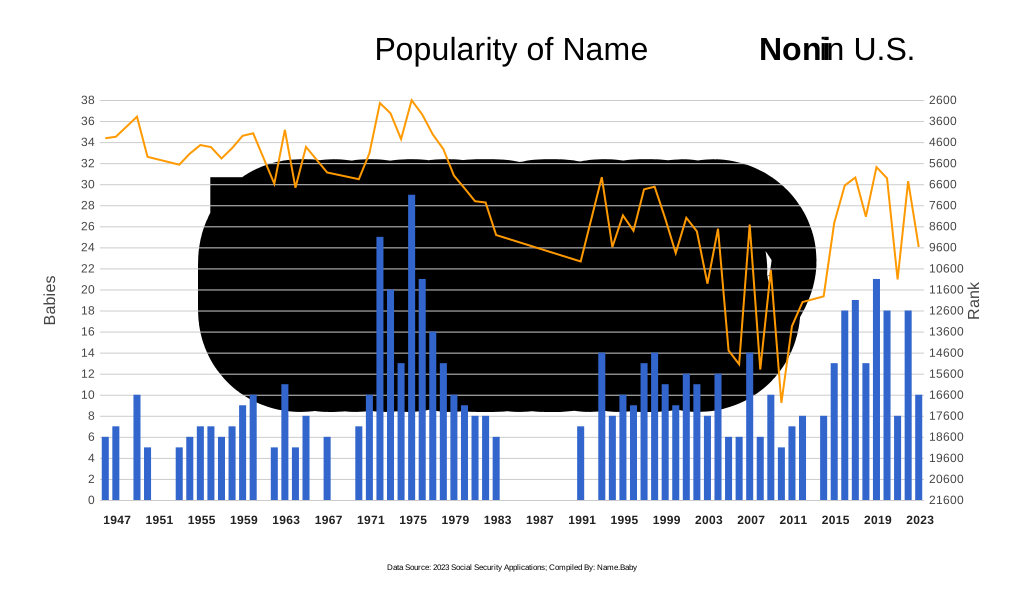
Noni, pronounced NOH-nee (/ˈnoʊni/), emerges as an affectionate diminutive of classical names like Antonia or Eleanor in Italian and English usage, carrying the gentle sense of “little one” while also evoking the exotic mystique of the tropical noni fruit—Morinda citrifolia—celebrated in Polynesia for its reputed medicinal virtues. An analytical glance at its American journey shows a name that has never dominated the charts, cresting softly in the mid-1970s with a rank near 727 in 1975, then settling into a steady cadence of under thirty annual registrations and enjoying a quiet revival with twelve newborns (ranked 938) in 2024. This longevity and fluctuation reflect a choice made not for mass appeal but for understated distinctiveness, a balance between familial warmth and worldly inquisitiveness—as if parents are charting a name that both feels like home and hints at distant horizons. Dryly noted, one is unlikely to find more than a handful of nonis in any grade-school roster, a scarcity that imbues the name with intimate charm and subtle sophistication.
Pronunciation
English
- Pronunced as NOH-nee (/ˈnoʊni/)
U.S. Popularity Chart
Notable People Named Noni
| Noni Jabavu - |
| Noni Madueke - |
| Noni Lichtveld - |
| Noni Răzvan Ene - |
