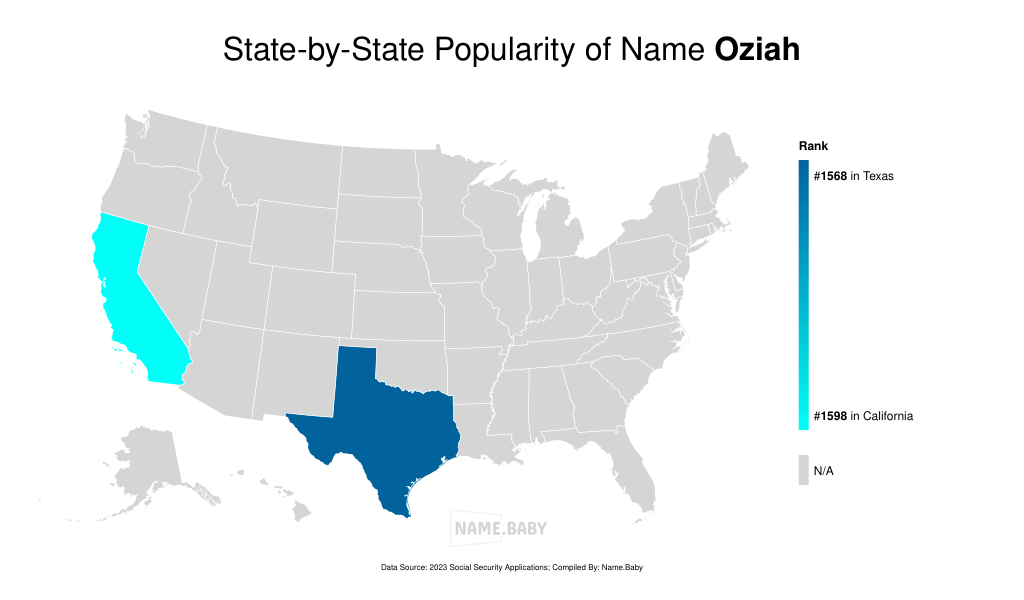
Oziah
Meaning of Oziah
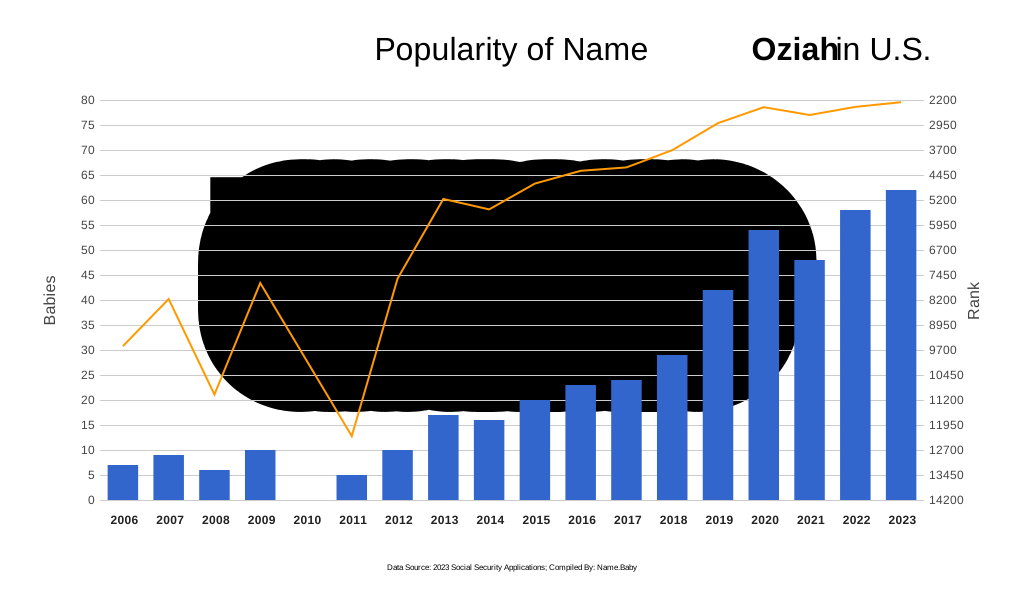
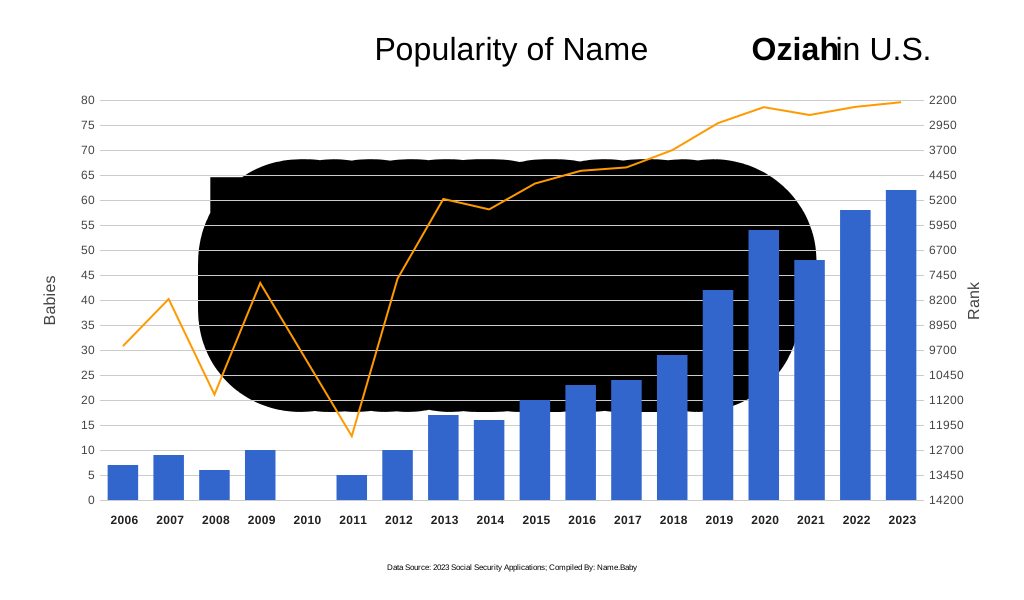
Oziah, pronounced oh-ZY-uh, is a luminous derivative of the ancient Hebrew Uzziah—“ʿuzziyāh,” connoting “Yahweh is my strength”—whose syllables migrated through the Septuagint as the Latinate Ozias before finding their current, mellifluous form. Steeped in biblical resonance—the warrior-king of Judah and several post-exilic priests bear the cognate—this name evokes a mosaic of burnished desert kingdoms and incense-filled sanctuaries, yet it arrives on modern tongues with a fresh, staccato grace. In recent American vital statistics, Oziah has traced a quiet but steady ascendant curve, rising from single-digit births at the millennium’s turn to 82 newborn bearers in 2024, a climb that mirrors the gentle, ivy-like spread of vintage scriptural names across contemporary nurseries. Scholars of onomastics note that Oziah’s final “-iah” syllable, redolent of Isaiah, Josiah, and Hezekiah, anchors the child in a venerable theophoric tradition while the opening “O,” round as a full moon, grants the name an oracular sonority cherished in both English and Romance ears. Thus, for parents seeking a designation that weds august Hebrew pedigree to the lyrical cadence of Latin Christianity, Oziah offers a rare balance of archaic gravitas and modern subtlety, its meaning a quiet benediction of strength whispered over a cradle.
Pronunciation
English
- Pronunced as oh-ZY-uh (/oʊˈzaɪə/)
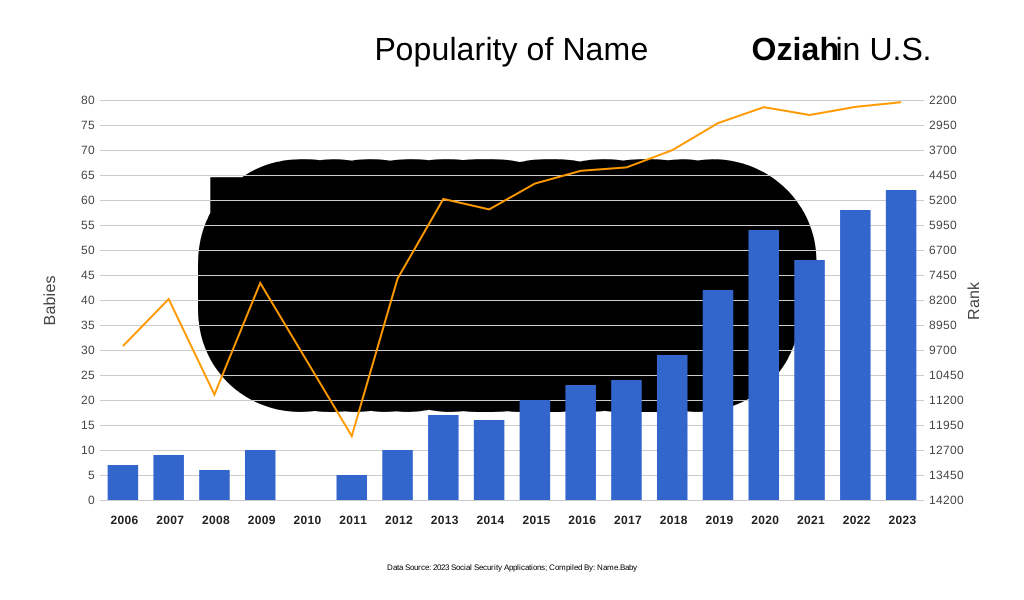
U.S. Popularity Chart
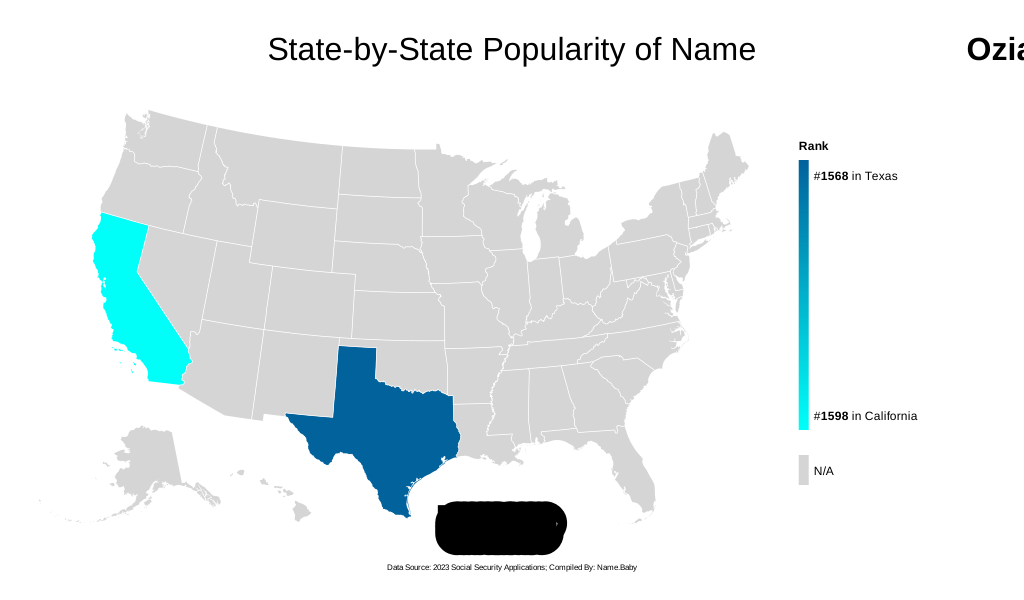
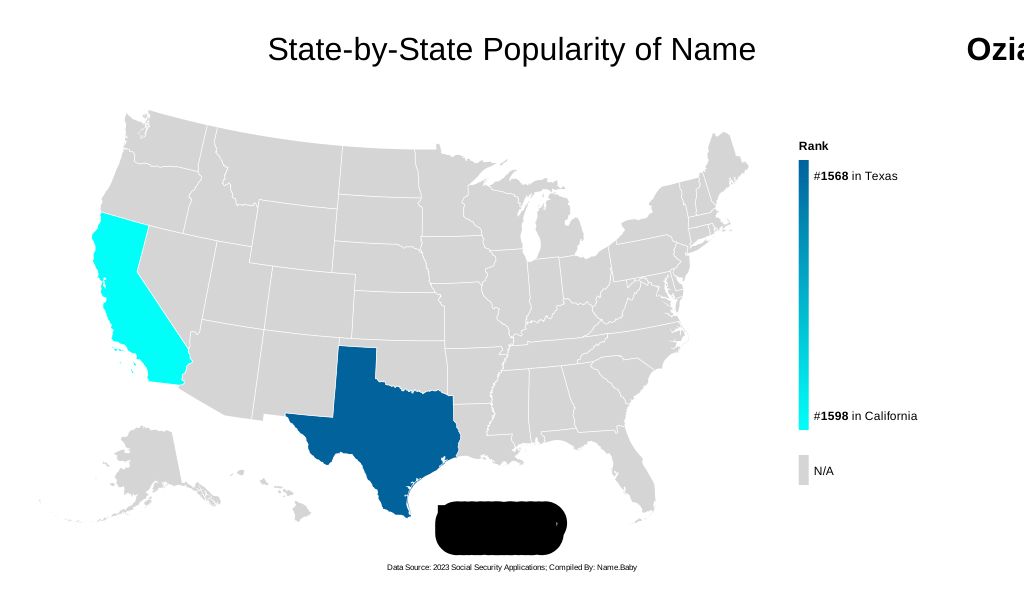
States Popularity Chart