Paz
Meaning of Paz
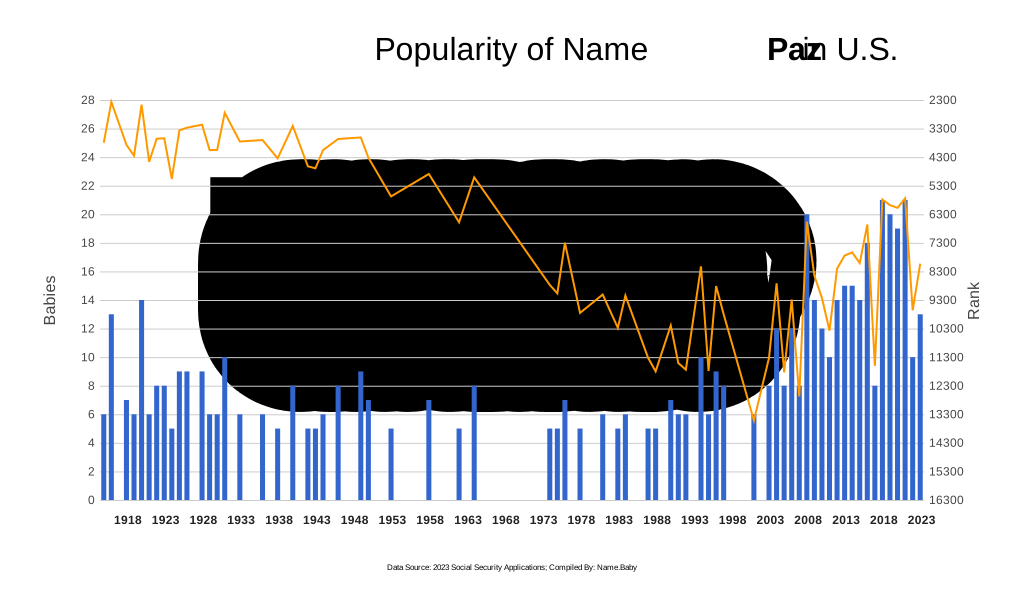
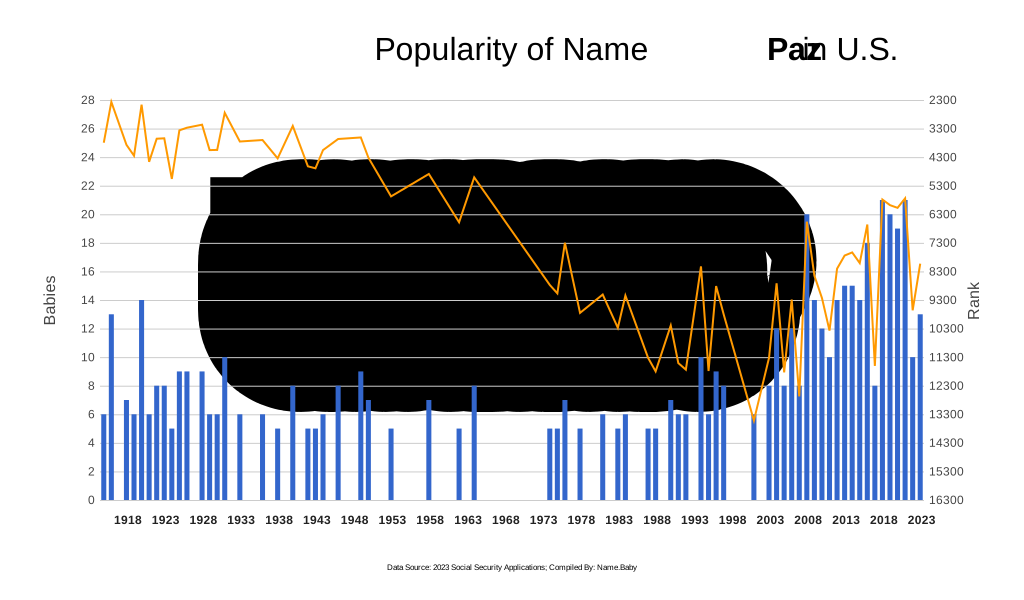
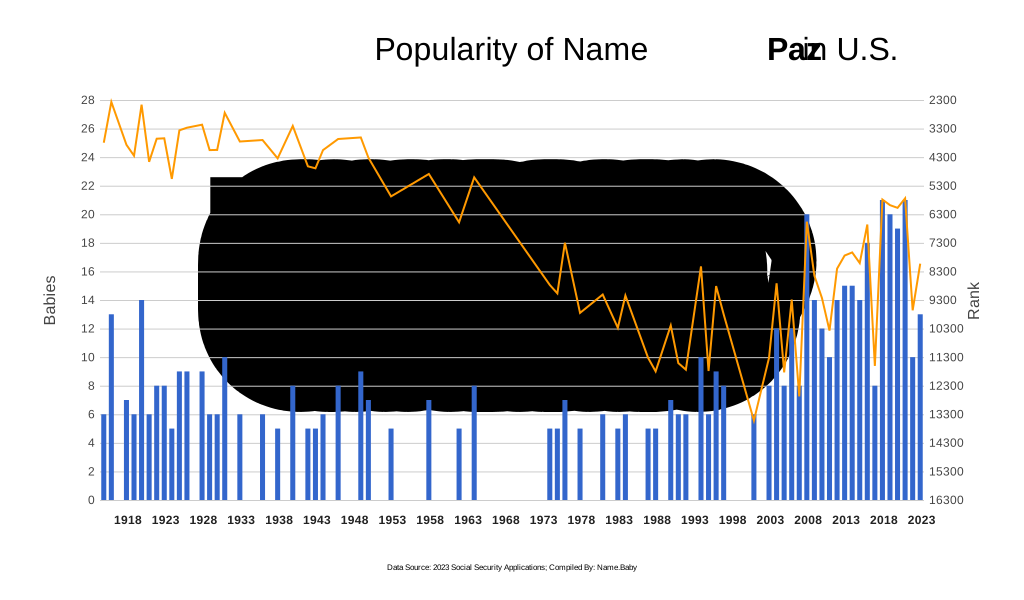
Derived from the Spanish noun paz—itself etymologically traceable to the Latin pax—the name Paz functions as a unisex virtue appellation that conveys notions of peace, serenity and reconciliation. In Hispanic contexts it retains enduring cultural resonance, while in Anglo-American naming practices it has emerged as a niche yet steadily adopted choice; data from the United States Social Security Administration record 20 newborns named Paz in 2024 (ranked 930th), with comparable annual counts—ranging from 10 to 21—over the past decade and historical fluctuations between the mid-20th century and the present. Pronounced /pas/ in Spanish, Paz also appears sporadically as a surname, underscoring its semantic continuity across anthroponymic categories and linguistic boundaries.
Pronunciation
Spanish
- Pronunced as pahs (/pas/)
U.S. Popularity Chart
Notable People Named Paz
| Paz Errázuriz - |
| Paz Vega - |
| Paz Lenchantin - |
| Paz Padilla - |
| Paz Bascuñán - |
| Paz Yrarrázabal - |
| Paz Echeverría - |
