Raquita
Meaning of Raquita
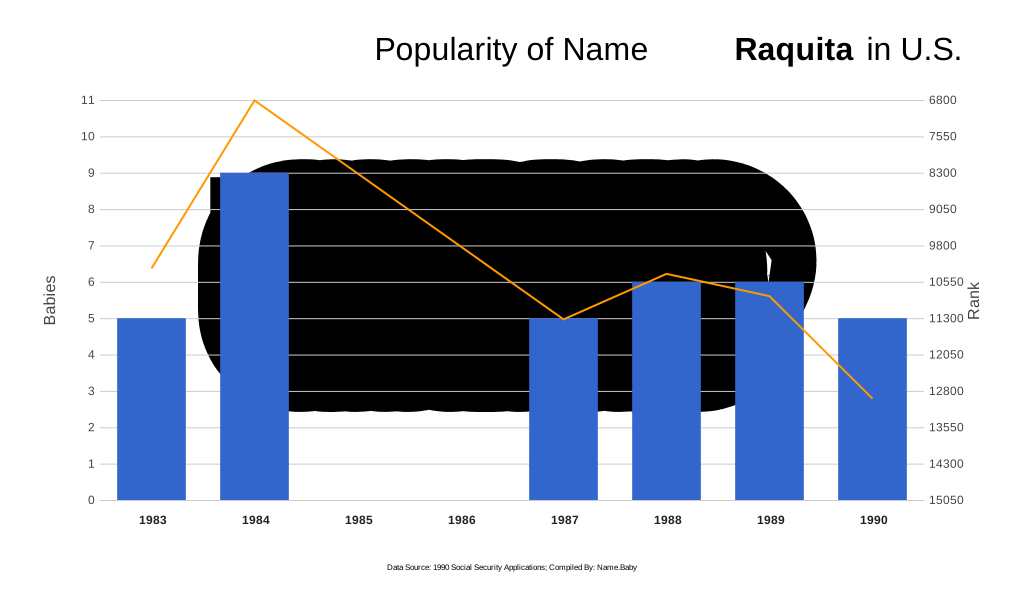
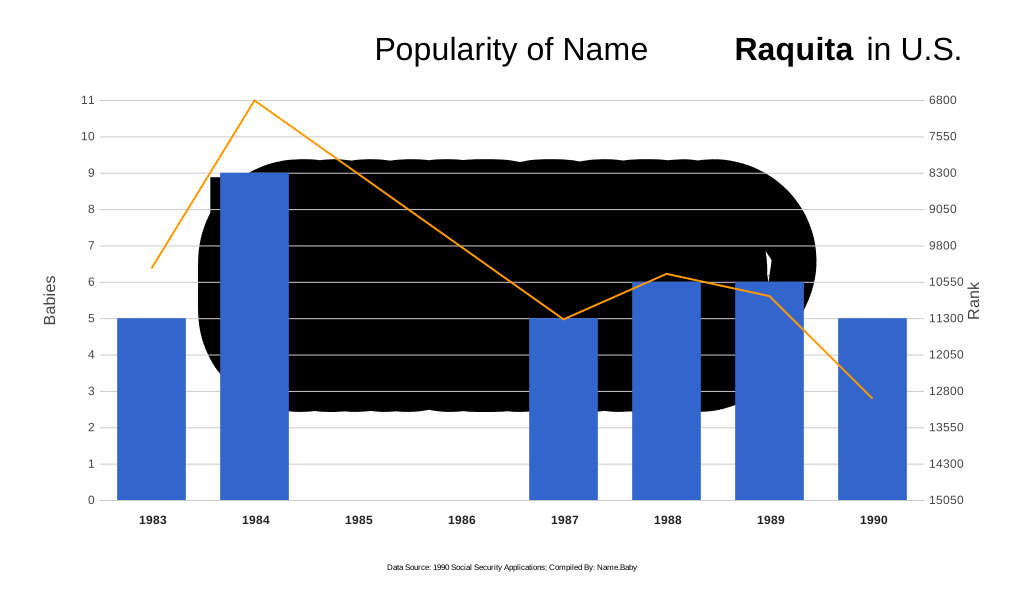
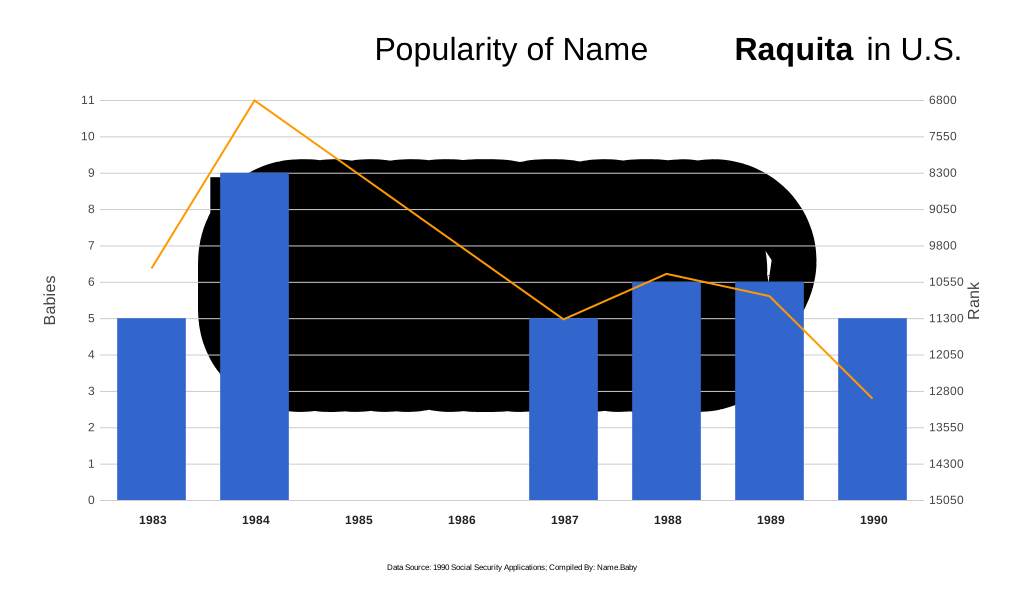
Raquita unfurls like a ribbon of midnight-blue silk across a tatami floor, each syllable curling with measured elegance—ra, bright and sudden as a sun-touched sensu fan; kee, clear as a koto string; ta, softly final as lantern light slipping into Kyoto’s pre-dawn hush. Most name scholars trace its ancestry to the Spanish Raquel— itself rooted in the Hebrew Rachel—then tenderly shortened by the diminutive suffix –ita, gathering the sense of “little ewe,” yet the opening “Ra” also brushes the ancient Egyptian word for the sun-god, so the whole name gleams with a quiet promise of daybreak. In the United States it flickered like a firefly through the late 1980s, counted only a handful of times each year and settling around the eight-hundreds in national rank, which leaves it today refreshingly untraveled, a hidden garden path rather than a crowded avenue. Listeners often feel in Raquita a gentle paradox: intimate yet cosmopolitan, equal parts barrio lullaby and Kyoto moonrise, inviting a bearer who drifts between cultures with the easy grace of ink upon rice paper. For parents who seek a cool, luminous name—distinct yet unstrange, lyrical yet grounded—Raquita offers a quiet flame, bridging the warmth of Spanish song and the tranquil minimalism of Japanese art.
Pronunciation
American English
- Pronunced as ruh-KEE-tuh (/rəˈkiːtə/)
U.S. Popularity Chart