Riot
Meaning of Riot
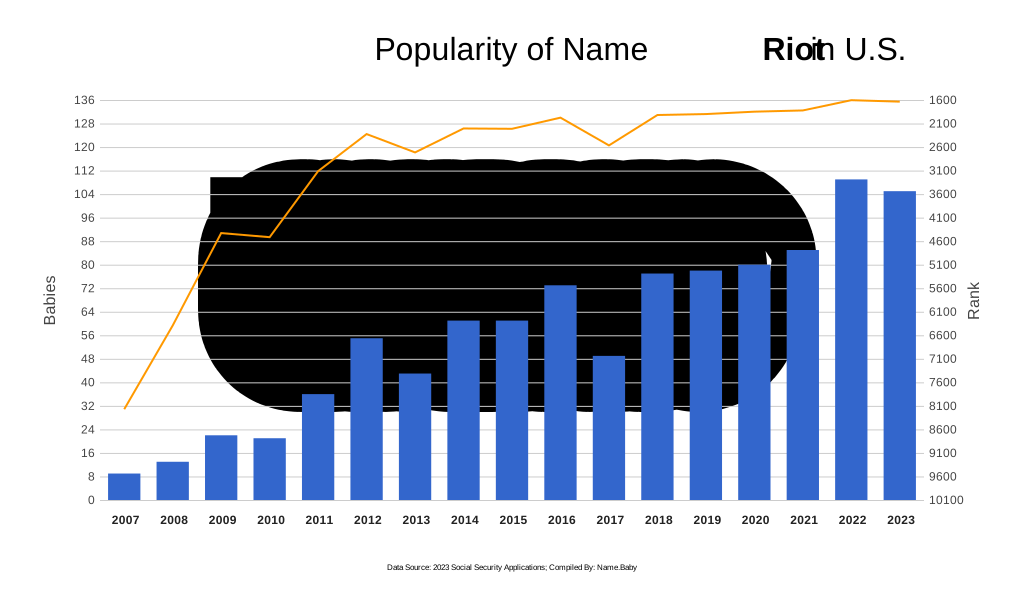
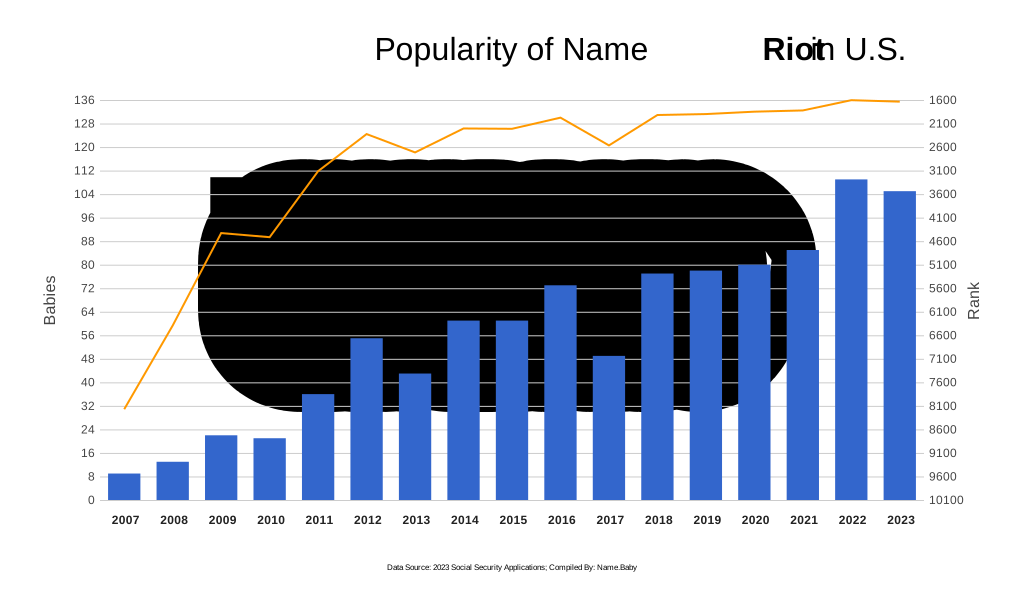
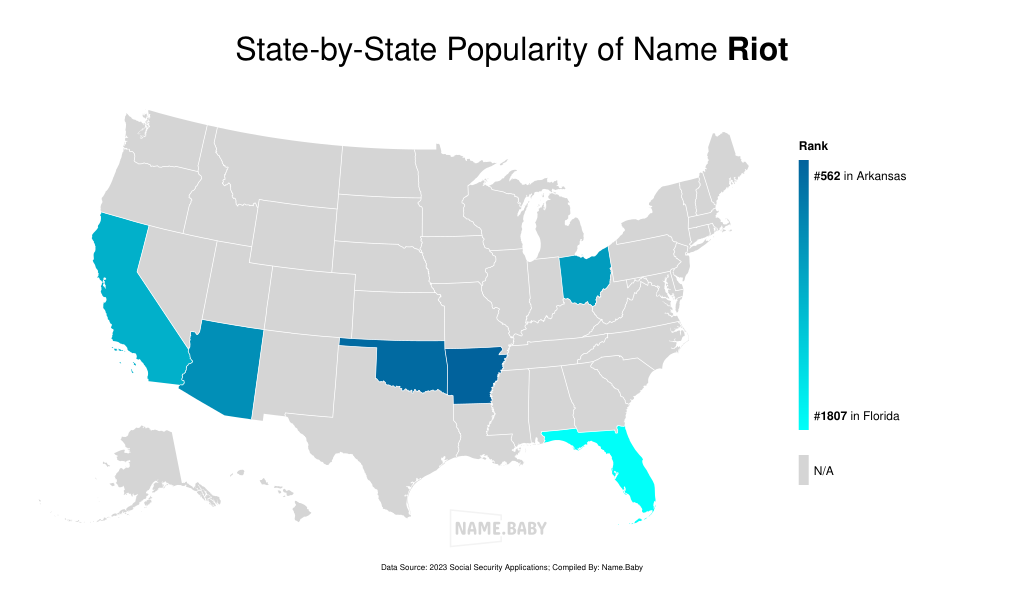
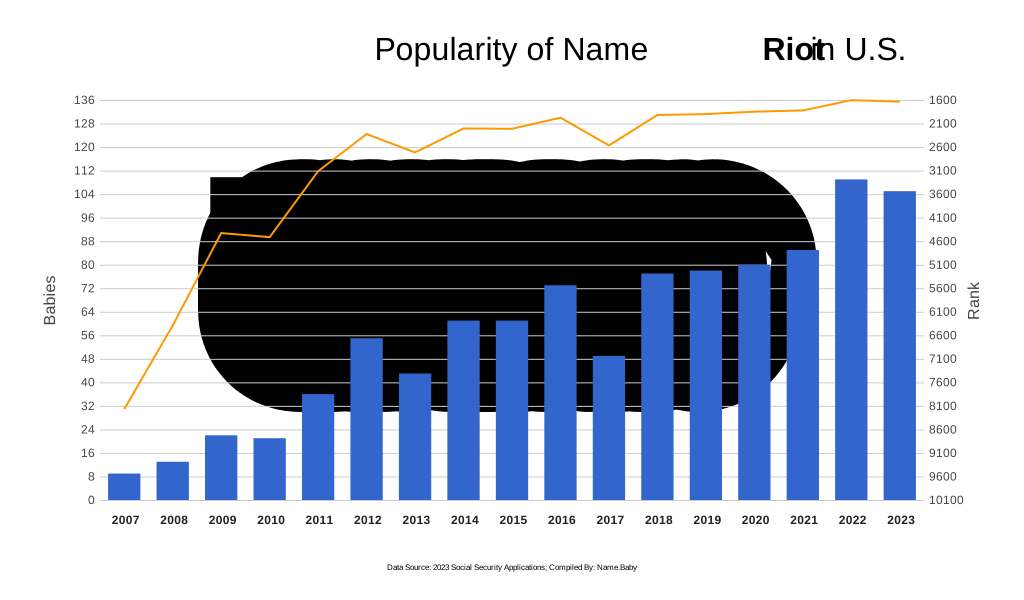
Riot, a modern English word-name adapted from the Middle English “riot,” itself stemming from the Anglo-Norman “riote” signifying strife or boisterous revelry, functions in contemporary onomastics as a conscious invocation of controlled disorder—an appellative choice that implicitly celebrates unbridled energy while resisting conventional constraints. Though historically burdened with juridical overtones, the term has long possessed a secondary literary sense denoting exuberant abundance (“a riot of color”), and it is this semantic duality—rebellion tempered by creative profusion—that appears to entice present-day parents. Cultural references such as the 2007 rock album “Riot!” by Paramore, the Marvel Comics symbiote of the same name, and the colloquial phrase “a riot” meaning “great fun” have further normalized the word within Anglo-American popular culture, thereby easing its transition from vocabulary to given name. Statistically, the name remains uncommon yet steadily ascendant in the United States, climbing from a mere nine recorded births in 2007 to 159 in 2024, a trajectory that signals the broader societal appetite for bold, unconventional masculine names that project individuality and kinetic spirit without sacrificing phonetic simplicity.
Pronunciation
English
- Pronunced as RY-uht (/ˈraɪət/)
U.S. Popularity Chart
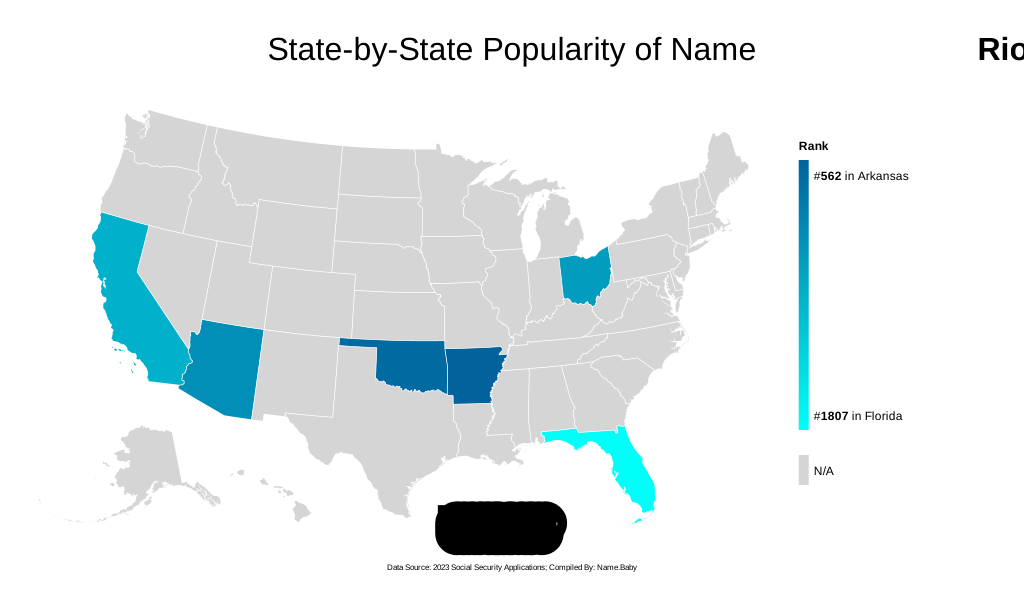
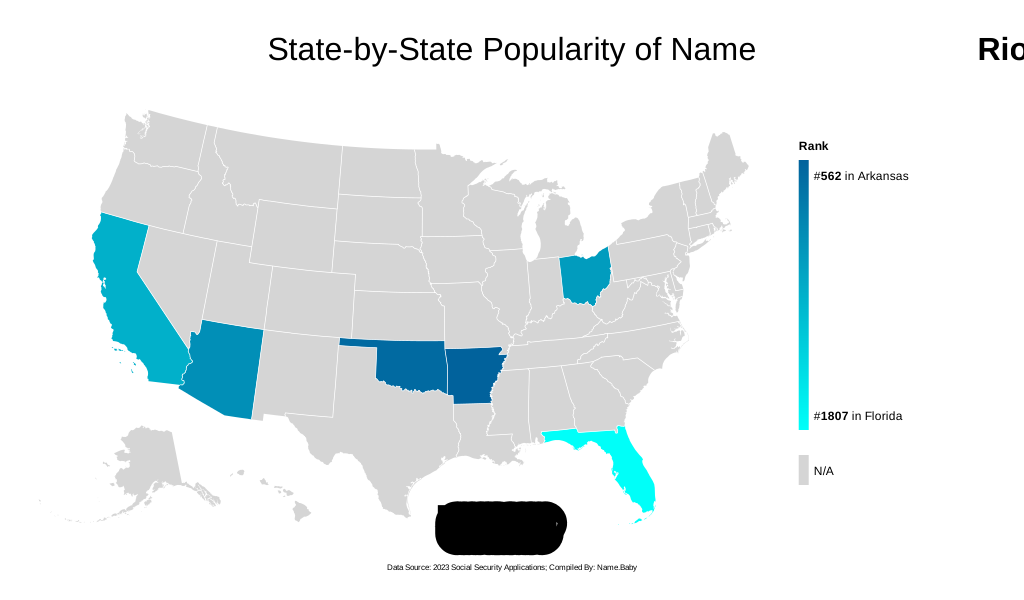
States Popularity Chart