Roqaya
Meaning of Roqaya
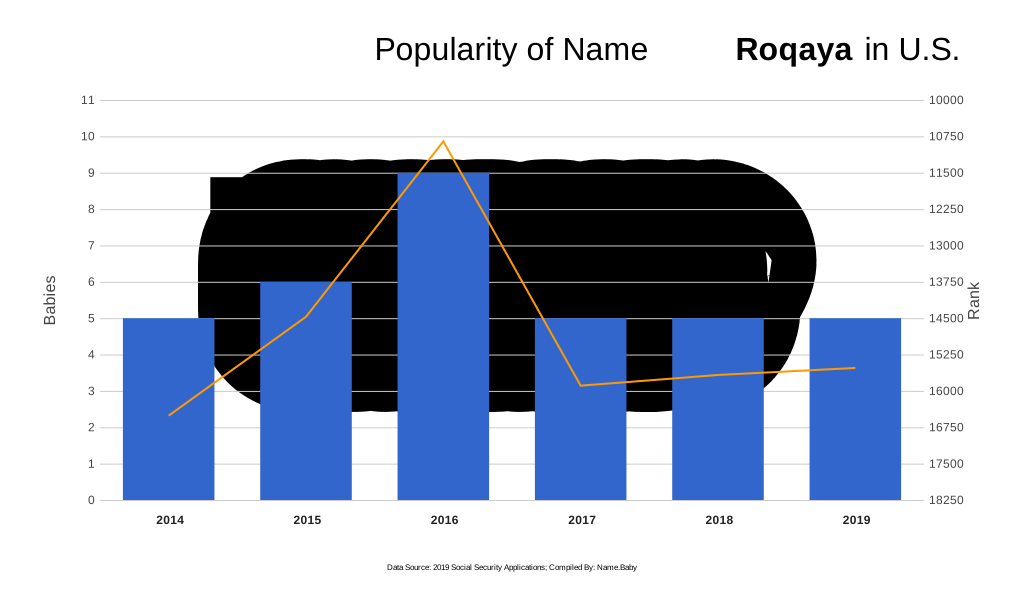
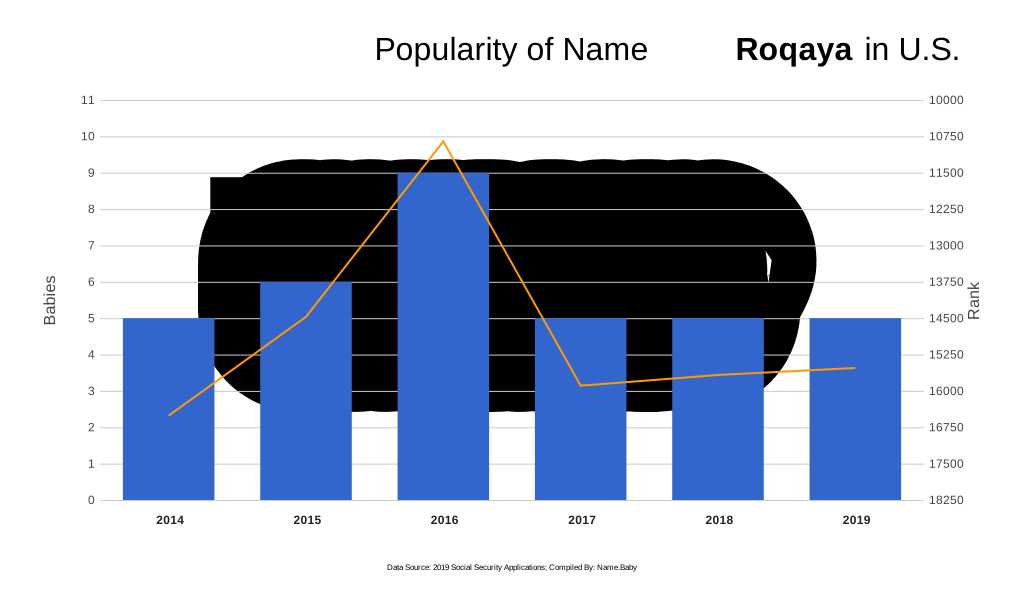
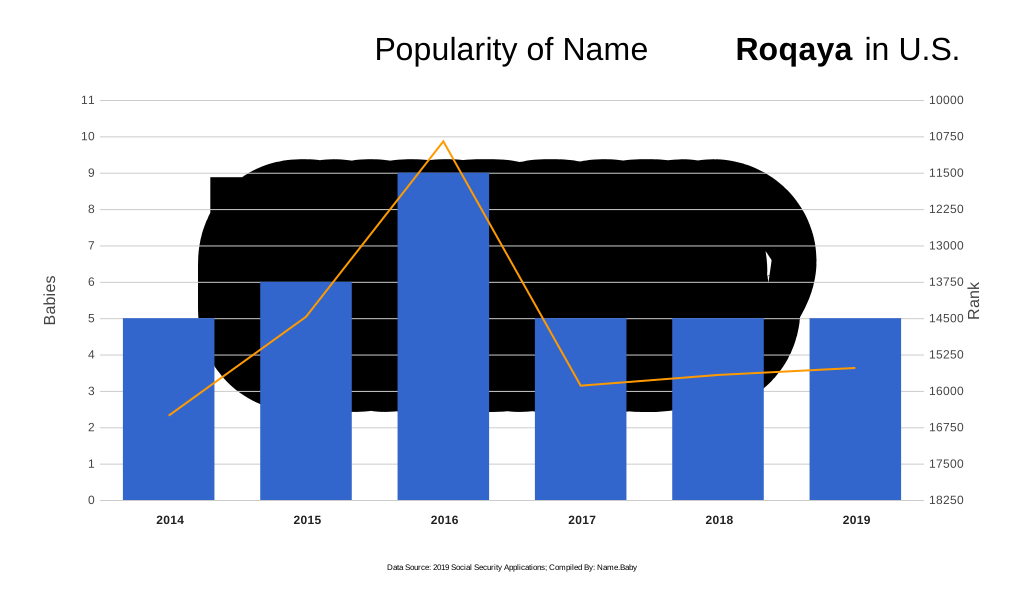
Roqaya, pronounced roh-KAY-uh (/rɒˈkeɪə/), derives from the Arabic root R-Q-Y, connoting “to ascend” or “rise,” an etymological foundation that imparts a sense of aspirational grace and quiet nobility. Historically, the name calls to mind Ruqayya bint Muhammad, whose gentle resilience in early Islamic tradition lends layered dignity and maternal warmth. In the United States, Roqaya has maintained a steady presence on the periphery of popularity—five to nine births annually and a ranking in the mid-900s from 2014 through 2019—suggesting that while she may never command the spotlight, parents can rest assured they won’t be jostling for uniqueness at the preschool gate. Phonetically, its three-syllable structure with a stressed penultimate “KAY” yields a melodious cadence, both exotic enough to intrigue and familiar enough to feel like a cherished rediscovery. Through contemporary eyes, one might envision a young Roqaya entering a lecture hall with the same calm self-assurance that has resonated across centuries, charting her own course. Despite its modest statistics, the name’s enduring consistency—like a steady star rather than a fleeting comet—speaks to its timeless charm. For those seeking a name that marries cultural depth with individual elegance, Roqaya offers a harmonious blend of history and modernity.
Pronunciation
Arabic
- Pronunced as roh-KAY-uh (/rɒˈkeɪə/)
U.S. Popularity Chart