Rudransh
Meaning of Rudransh
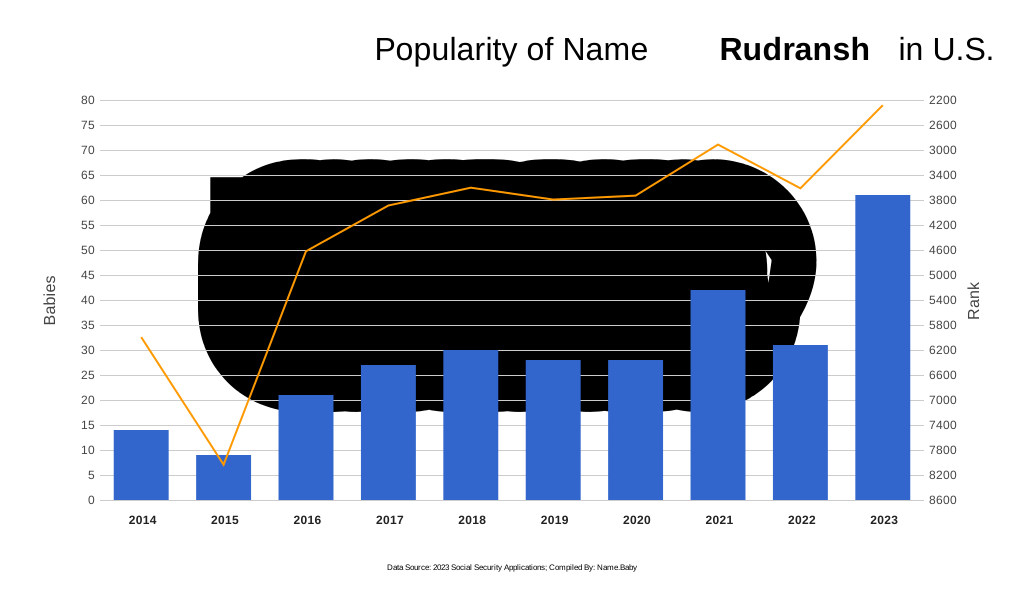
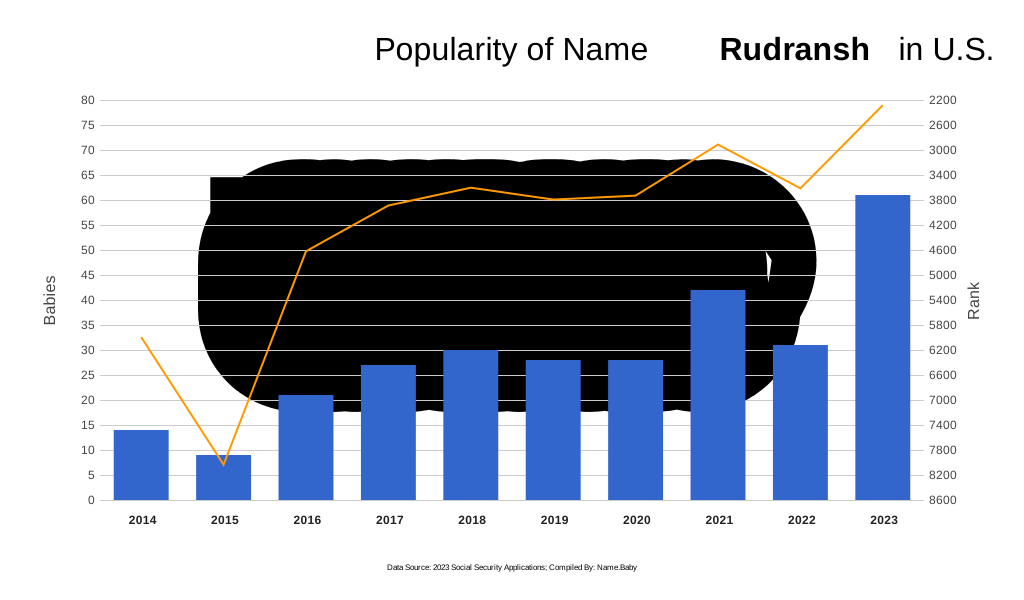
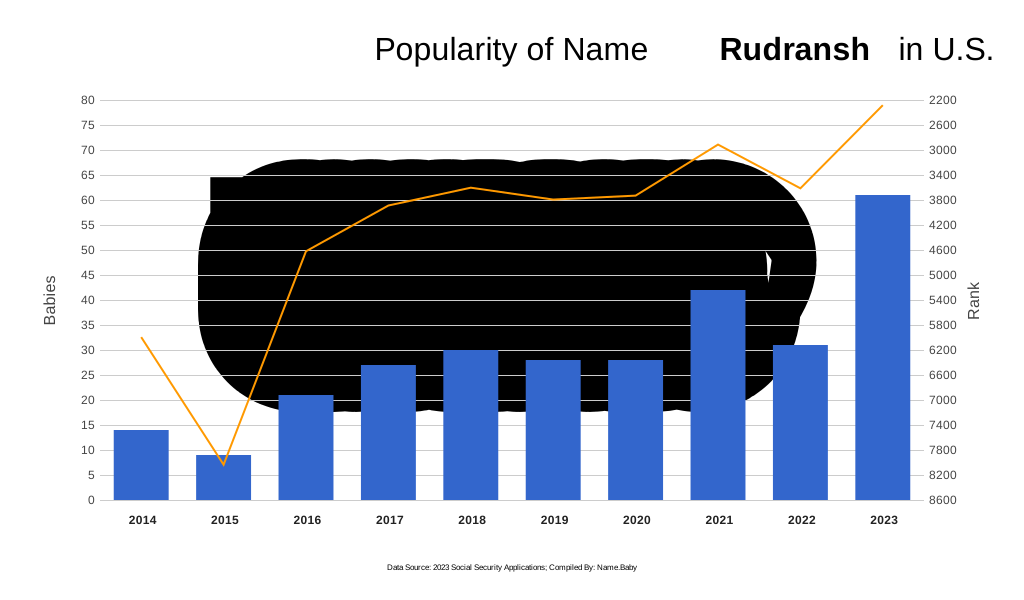
Rudransh, a masculine appellation of Sanskrit derivation, originates from the juxtaposition of rudra—an ancient Vedic epithet of the deity Shiva—and aṃśa, which denotes “portion” or “fragment,” collectively conveying the semantic value “portion of Rudra” within the cosmogonic narratives of Hindu theology; rendered in Hindi with the phonemic transcription /ruːd.rʌnʃ/, the name’s clearly demarcated phonological structure and predictable syllabic pattern reflect its morphological transparency. Empirical data from the United States reveal a steady upward trajectory in its adoption, with national rank rising from 904 (14 occurrences) in 2014 to 841 (83 occurrences) in 2024, indicative of an emergent anglophone preference for names that marry etymological precision with cross-cultural resonance. Analytically, Rudransh occupies a distinctive position at the nexus of traditional mythological significance—connoting transformative power and cyclical regeneration—and contemporary naming conventions that privilege both semantic depth and phonetic accessibility.
Pronunciation
Hindi
- Pronunced as rood-runsh (/ruːd.rʌnʃ/)
U.S. Popularity Chart
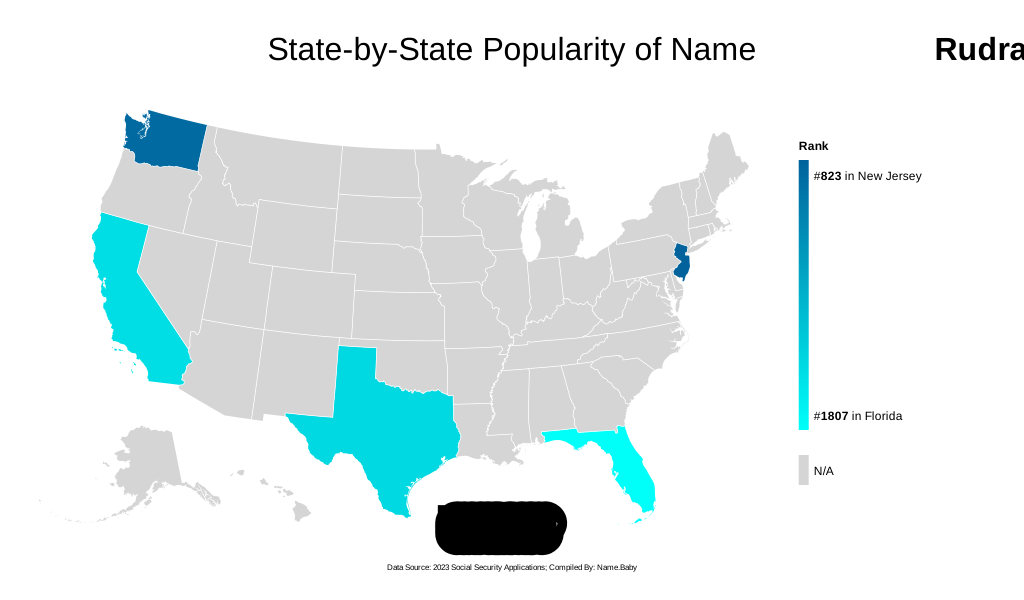
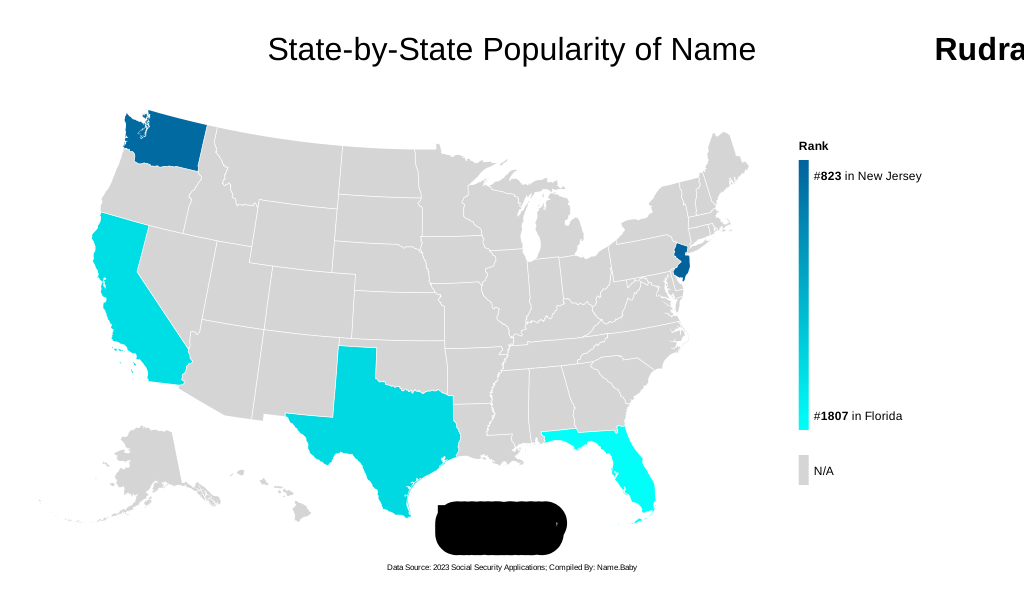
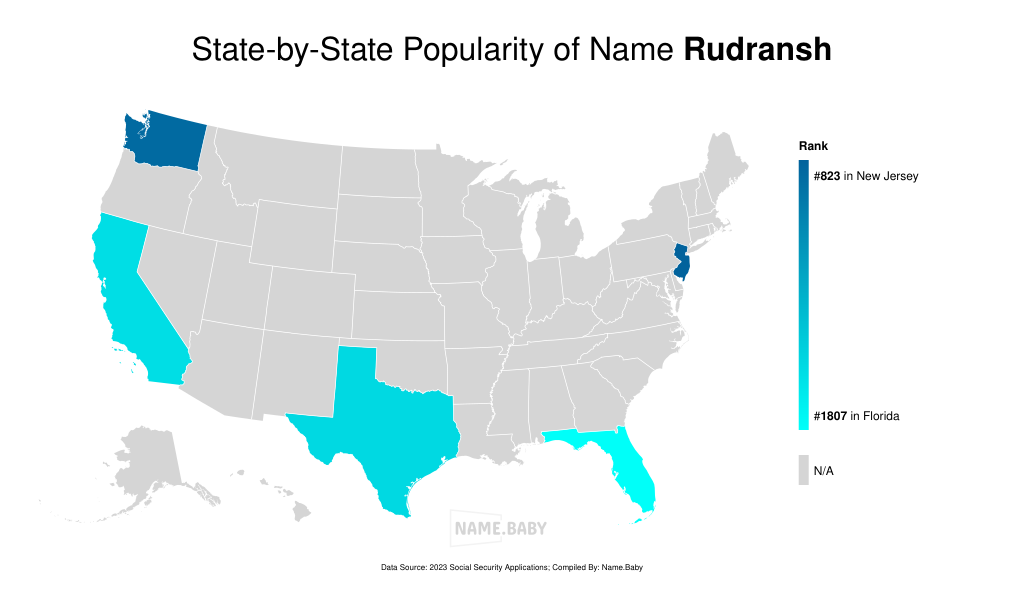
States Popularity Chart