Ruhama
Meaning of Ruhama
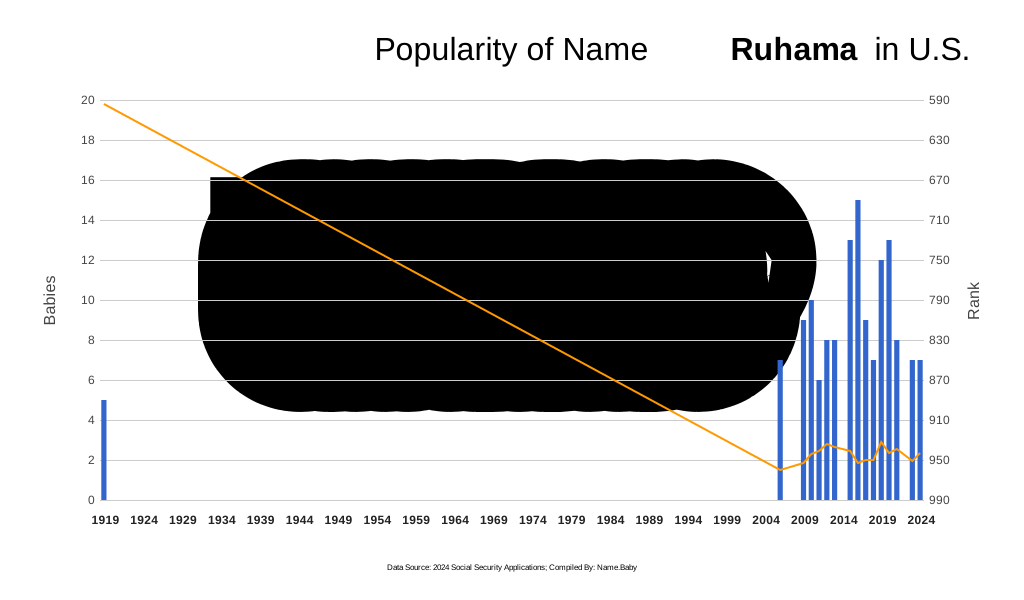
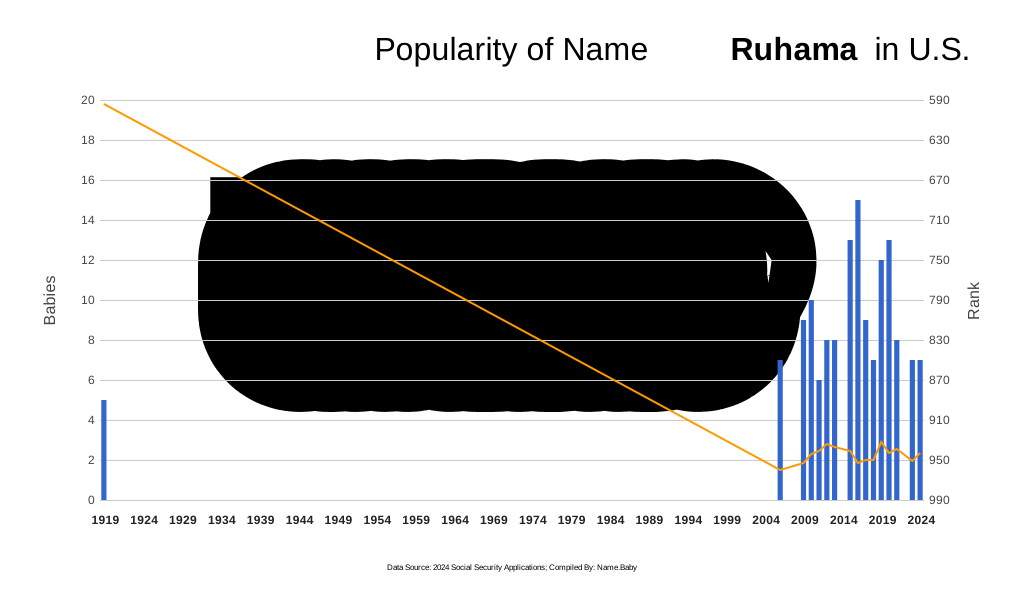
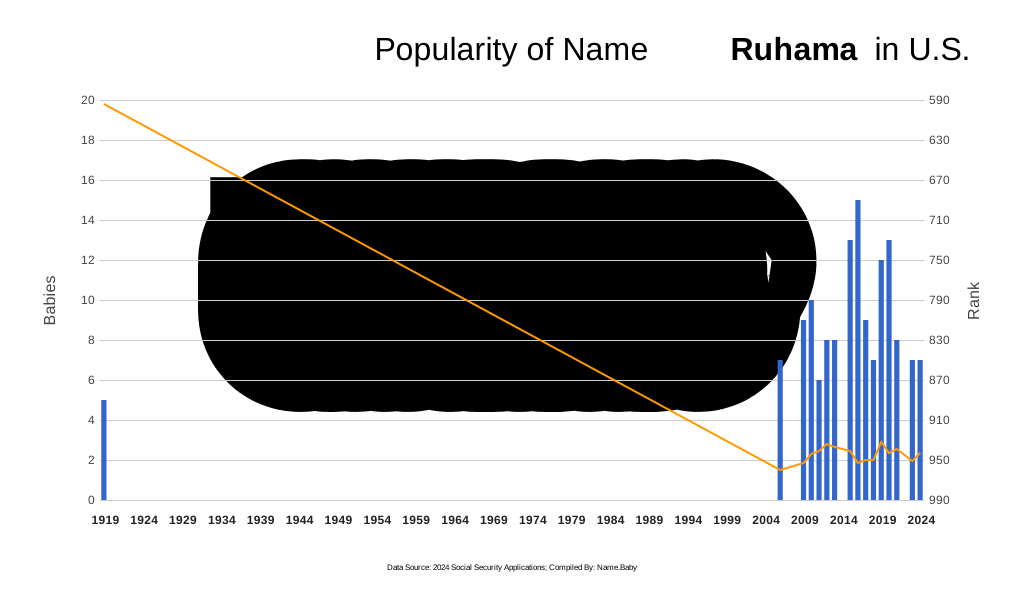
Ruhama, deriving from the ancient Hebrew רֻחָמָה (ruḥāmāh), carries the venerable meaning of “she who has received mercy,” a semantic tapestry woven through biblical lore and resonant with divine compassion. As an appellation, it evokes a sense of gentle benevolence—like a soft breeze over Mediterranean olive groves—imbuing its bearers with an aura of empathetic strength. Academically, its etymology underscores a profound cultural dialogue between Hebrew tradition and the wider Semitic linguistic family, while Latin-inflected narrative sensibilities celebrate its musical cadence and evocative imagery. In contemporary America, Ruhama maintains a modest yet steady presence: annual registrations have hovered between seven and fifteen since 2016, yielding ranks near the mid-900s (943rd in 2024), a testament to its rare elegance and enduring appeal. Through complex layers of history, language, and cultural interchange, Ruhama stands as a dignified choice for the modern family seeking a name both scholarly and warmly resonant.
Pronunciation
Hebrew
- Pronunced as roo-HAH-mah (/ruˈhɑmə/)
U.S. Popularity Chart
Notable People Named Ruhama
| Ruhama Avraham - |
| Ruhama Raz - |
