Samatar
Meaning of Samatar
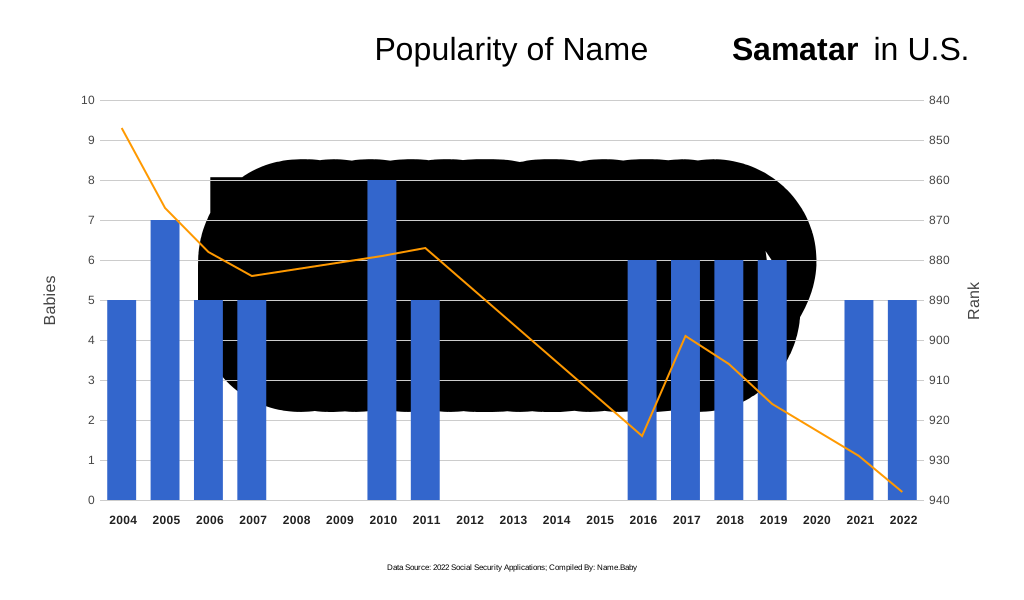
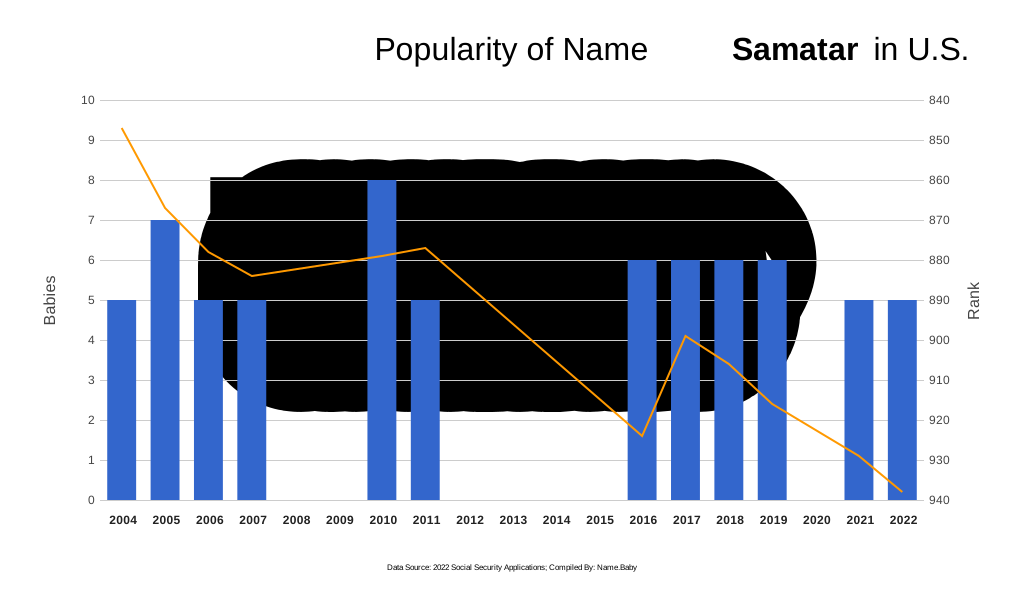
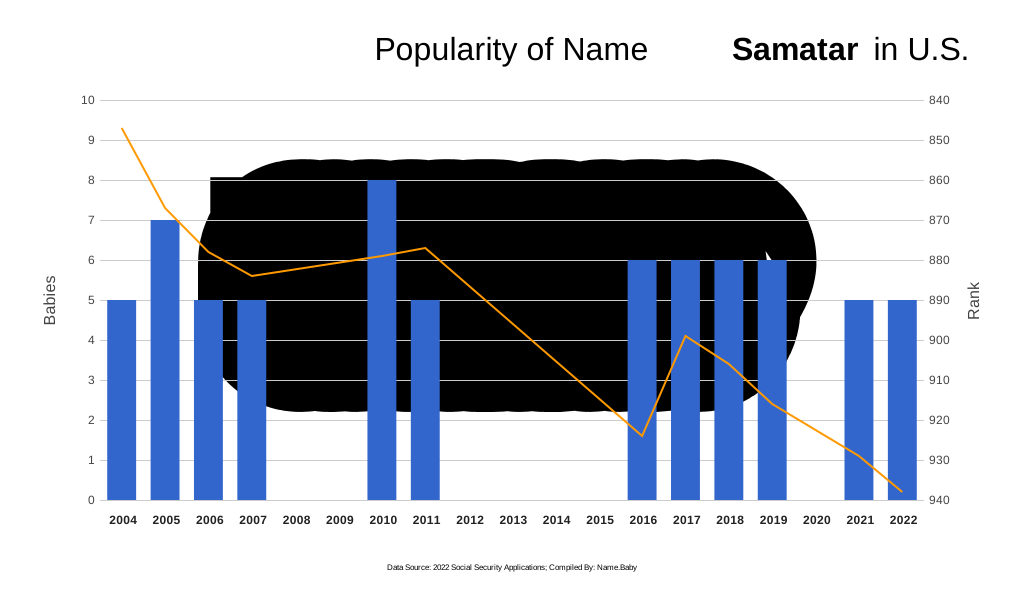
Samatar—sah-muh-TAR, if one savors the syllables the way a Sicilian savors gelato on a languid summer evening—traces his roots to the sun-drenched Somali coast, where traders once laced the air with frankincense and stories of the Good Samaritan who helped strangers along dusty caravan roads; in kindred spirit, the name is traditionally read as “benefactor,” “bringer of good fortune,” or simply “the one who lifts others up.” He carries the resonance of beating drums and bronze dusk, yet his vowels arc gently enough to pass around a family table laden with pasta al forno—an effortless bridge between the Horn of Africa and the heart of the Mediterranean. Though only a handful of American newborns—five to eight tiny dreamers most years—have worn Samatar since the mid-2000s, each arrival feels like a small comet flaring through public-record constellations, hinting that generosity never goes out of style. One can almost hear an Italian nonna chuckle, “Così bello!” as she rolls the final “r,” blessing the child with a smile that says, in any language, “May your kindness travel farther than your name.”
Pronunciation
Somali
- Pronunced as sah-muh-tar (/sɑmətɑr/)
U.S. Popularity Chart