Senita
Meaning of Senita
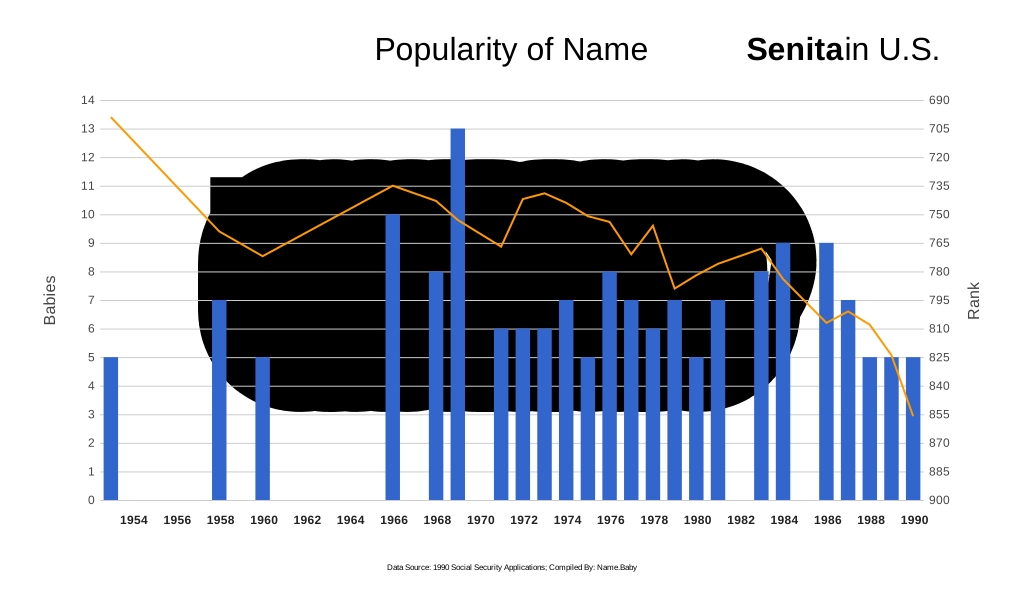
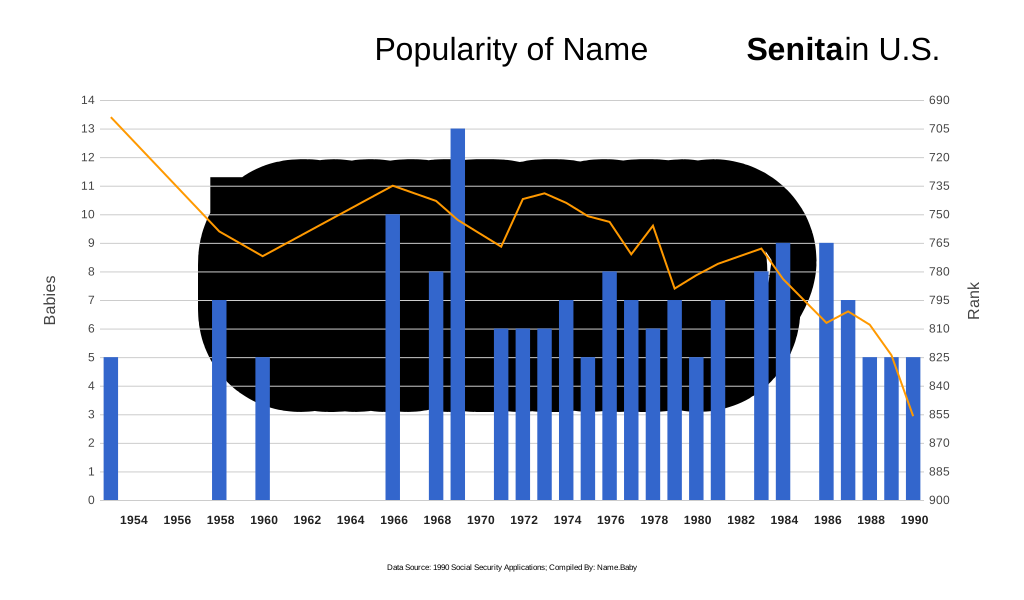
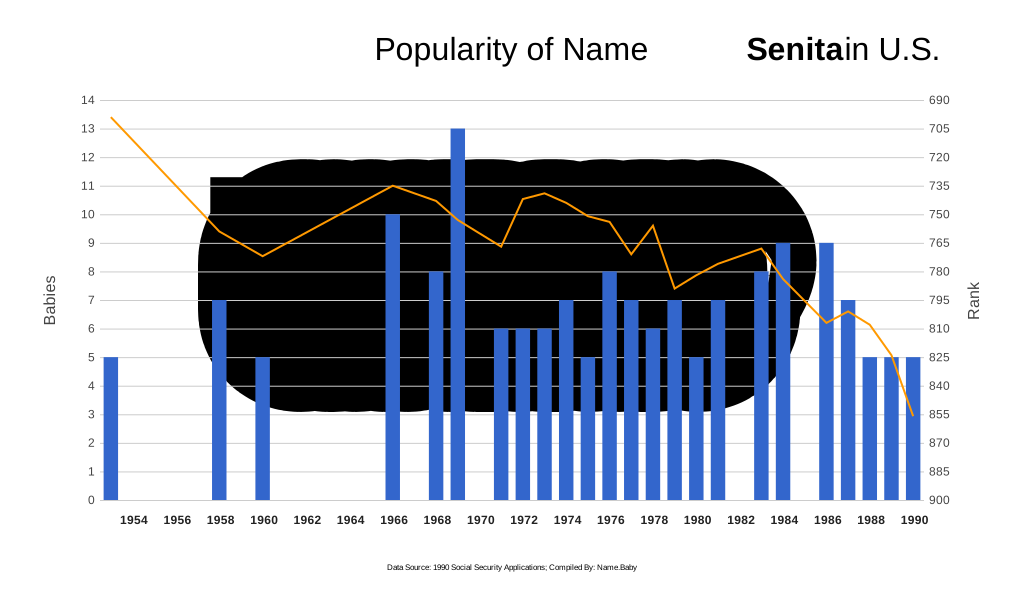
Senita is a feminine given name of Spanish origin, conceived as a diminutive form of “señorita,” literally “young lady” or “maiden,” which has experienced sporadic yet persistent usage in the United States from the mid-twentieth century onward. Social Security records document its modest presence between 1953 and 1990, with occasional peaks—thirteen newborns in 1969 (rank 753) and nine in both 1986 (rank 807) and 1984 (rank 784)—followed by gradual fluctuations that underscore its status as a distinctive choice. Phonetically rendered /səˈniːtə/ in English, Senita aligns with Anglo-American naming conventions that prize both cultural resonance and melodic clarity. Beyond its linguistic roots, the name may also evoke the hardy Senita cactus (Lophocereus schottii) of the Sonoran Desert, thereby interweaving notions of resilience and understated grace. As an appellation, Senita appeals to those seeking a refined, cross-cultural heritage and an understated singularity.
Pronunciation
English
- Pronunced as suh-NEE-tuh (/səˈniːtə/)
U.S. Popularity Chart