Shriyansh
Meaning of Shriyansh
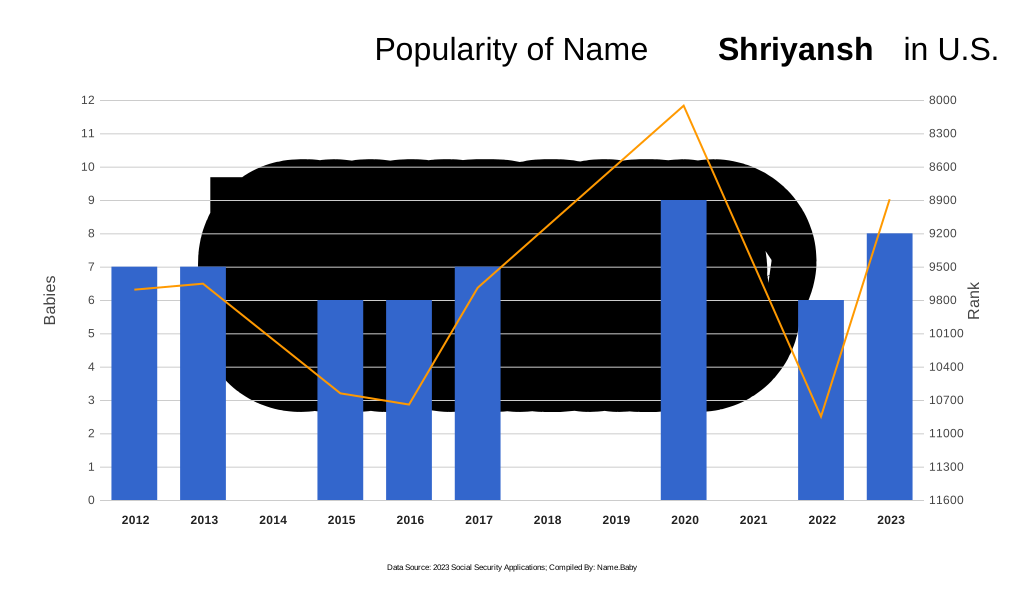
Shriyansh, pronounced shree-YAHN-sh (/ʃriˈjɑnʃ/), traces its roots to Sanskrit, where śrī evokes prosperity and divinity while anśa denotes “a fragment” or “portion”; taken together, the name paints the image of a child who carries a “spark of auspiciousness,” a sliver of the sacred woven into everyday life. Although unmistakably Indian in origin, Shriyansh has begun to leave faint yet distinct footprints on American soil—appearing in the U.S. Social Security charts most years since 2012, with eight newborns bearing the name in 2023 and a peak rank just inside the 880s a decade ago. The numbers may be modest, but they suggest a quiet migration from diaspora living rooms—where grandparents recite epic tales at bedtime—into broader cultural consciousness, rather like a subtle sitar motif surfacing in a jazz arrangement. To parents attuned to both tradition and modernity, the name offers a harmonious balance: melodic yet strong, spiritually resonant yet globally pronounceable, and just uncommon enough to invite a raised eyebrow of pleasant curiosity rather than a puzzled look at roll call.
Pronunciation
Hindi
- Pronunced as shree-YAHN-sh (/ʃriˈjɑnʃ/)
U.S. Popularity Chart